
Silkworm (Bombyx mori) — the domesticated silk-producing caterpillar
Overview of the silkworm (Bombyx mori): biology, life cycle, domestication in China, sericulture practices, uses of silk, wild relatives and current research and practical notes for rearing.
Overview
The silkworm is the larval stage of the moth Bombyx mori and a principal producer of animal silk. As a feeding juvenile or larva, it spins a cocoon of silk protein that can be reeled into long continuous fibres known as silk. Domesticated in ancient China, this insect has been bred for traits that favour silk quality and ease of rearing. Modern domesticated B. mori is highly dependent on humans and rarely survives in the wild; its life history and behaviour differ from those of wild relatives found in and beyond its native region in northern China.
Image gallery
10 Images


Biology and life cycle
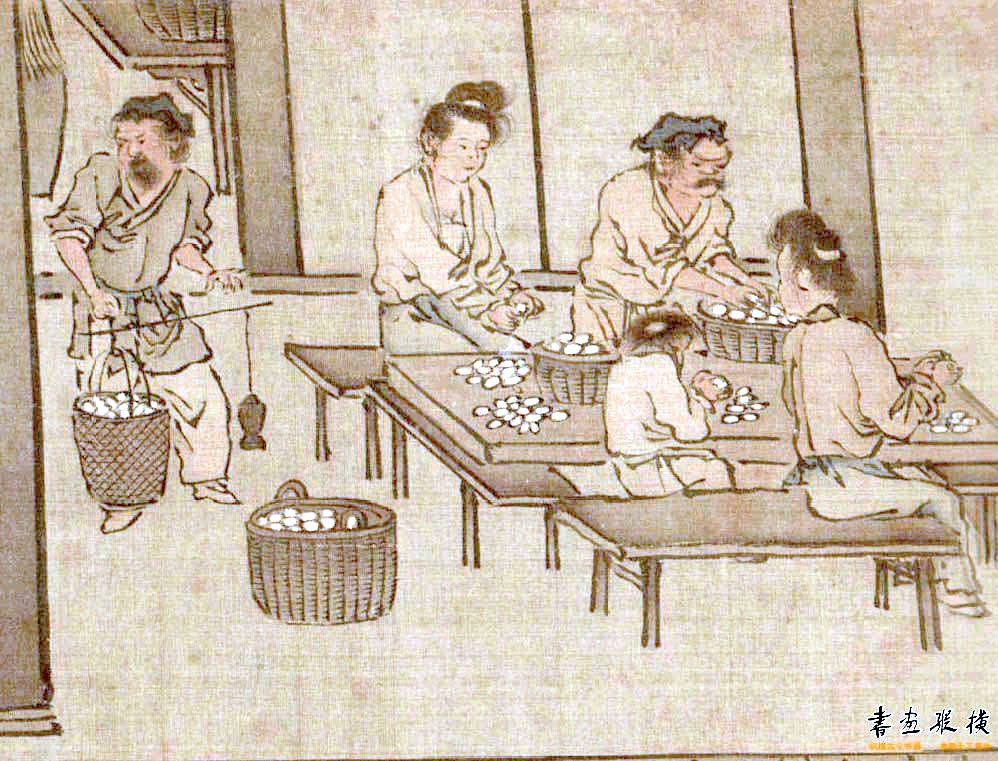
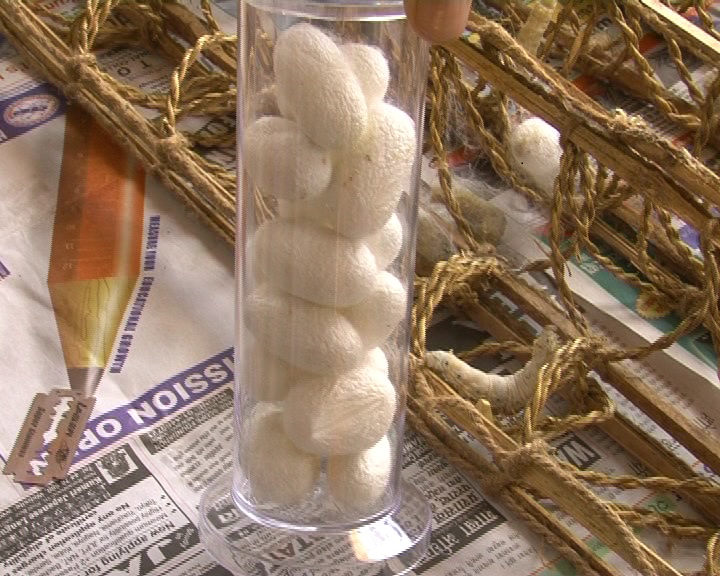
Silkworms follow the typical moth development of egg, larva, pupa (within a cocoon) and adult moth. The larval phase is the main feeding and growth period: caterpillars moult through several instars, consuming large quantities of leaves—principally those of the mulberry tree. When ready to pupate the caterpillar secretes silk from its spinneret; the filament is composed of a structural protein (fibroin) coated with a glue-like protein (sericin). In sericulture the cocoon is processed to remove sericin and recover continuous silk filaments by reeling.
Sericulture and uses
Sericulture—the raising of silkworms for fibre—combines husbandry of eggs and larvae with agricultural production of mulberry foliage. Cocoons yield fibres used in textiles prized for sheen, drape and thermal properties; silk also has roles in research, medicine and materials science, where its biocompatibility and mechanical properties are exploited. The species has been important in genetics and developmental biology, and its genome has been studied as a model for domestication and insect physiology.
Domestication and wild relatives
B. mori was subject to long-term selective breeding that produced animals with traits useful to humans: reduced flight and defensive behaviours, altered cocoon properties, and synchronized life cycles. Wild relatives such as Bombyx mandarina persist in natural habitats and can interbreed with domestic strains, sometimes producing hybrids. These wild taxa retain flight ability and other behaviours lost or reduced under domestication; their presence helps researchers understand the genetic changes associated with long-term human selection.
Pests, diseases and welfare
Silkworm culture is affected by a range of pathogens and environmental stresses. Viral, bacterial, fungal and microsporidian infections may reduce survival and silk yield; careful hygiene, temperature control and feed quality are essential for healthy rearing. Ethical and welfare considerations increasingly inform small-scale and commercial practices, especially where live pupae are handled during cocoon processing.
Practical notes and sericulture steps
- Egg care and incubation under controlled temperature and humidity.
- Larval rearing with frequent provision of fresh mulberry leaves or prepared diets.
- Monitoring moults and growth through successive instars before cocooning.
- Cocooning, followed in many systems by killing or removing pupae prior to reeling to preserve continuous filament quality.
- Reeling, degumming (removing sericin) and further textile finishing of the silk fibre.
For introductory material on insect larval biology see resources referenced via larval biology; for species-level information consult sources on Bombyx mori and guides to mulberry cultivation. Historical and cultural contexts of sericulture are discussed in studies of ancient China and trade routes that grew around silk. For origins and relationships with wild populations see literature addressing provenance in northern China.
Questions and answers
Q: What is a silkworm?
A: A silkworm is the larva or caterpillar of the Bombyx mori moth.
Q: How long has silk been made in China?
A: Silk has been made for at least 5000 years in China.
Q: Why is the Bombyx mori moth important?
A: The Bombyx mori moth is important because it makes silk.
Q: Is the Bombyx mori moth able to survive in the wild?
A: No, the Bombyx mori moth is entirely dependent on humans and no longer lives in the wild.
Q: What do silkworms eat?
A: Silkworms eat mulberry leaves.
Q: Where are silkworms native to?
A: Silkworms are native to northern China.
Q: Can the domesticated B. mori and wild Bombyx mandarina breed and produce hybrids?
A: Yes, the domesticated B. mori and the wild Bombyx mandarina can still breed and sometimes produce hybrids.
Related articles
Author
AlegsaOnline.com Silkworm (Bombyx mori) — the domesticated silk-producing caterpillar Leandro Alegsa
URL: https://en.alegsaonline.com/art/90417
Sources
- books.google.com : Evolution: principles and processes
- silk.or.jp : "『養蚕』第一章"
- ja.wikisource.org : "『三国志魏書』巻三十東夷伝"
- tuat.ac.jp : "昆虫産業廃棄物の再利用"
- eat-insect.com : "蚕"
- nihonjiten.com : "蚕の佃煮(長野県)"