
Leptodactylidae: overview, biology, distribution and reproduction
Leptodactylidae is a diverse family of neotropical frogs with varied life histories, including foam-nesting and direct-developing species. This article covers traits, habitat, evolution and notable facts.
Overview
The Leptodactylidae are a group of frogs (anurans) native to the Neotropics. They display a wide range of body shapes, sizes and life histories and have been interpreted by researchers as having an ancient origin, with roots traceable to the Cenozoic and possibly appearing near the end of the Mesozoic in some analyses. Historically the family has included many genera and hundreds to over a thousand named species; one historically recognized genus, Eleutherodactylus, contains a very large number of described species and was long cited as one of the most speciose frog genera (species counts vary by taxonomy).
Image gallery
4 Images


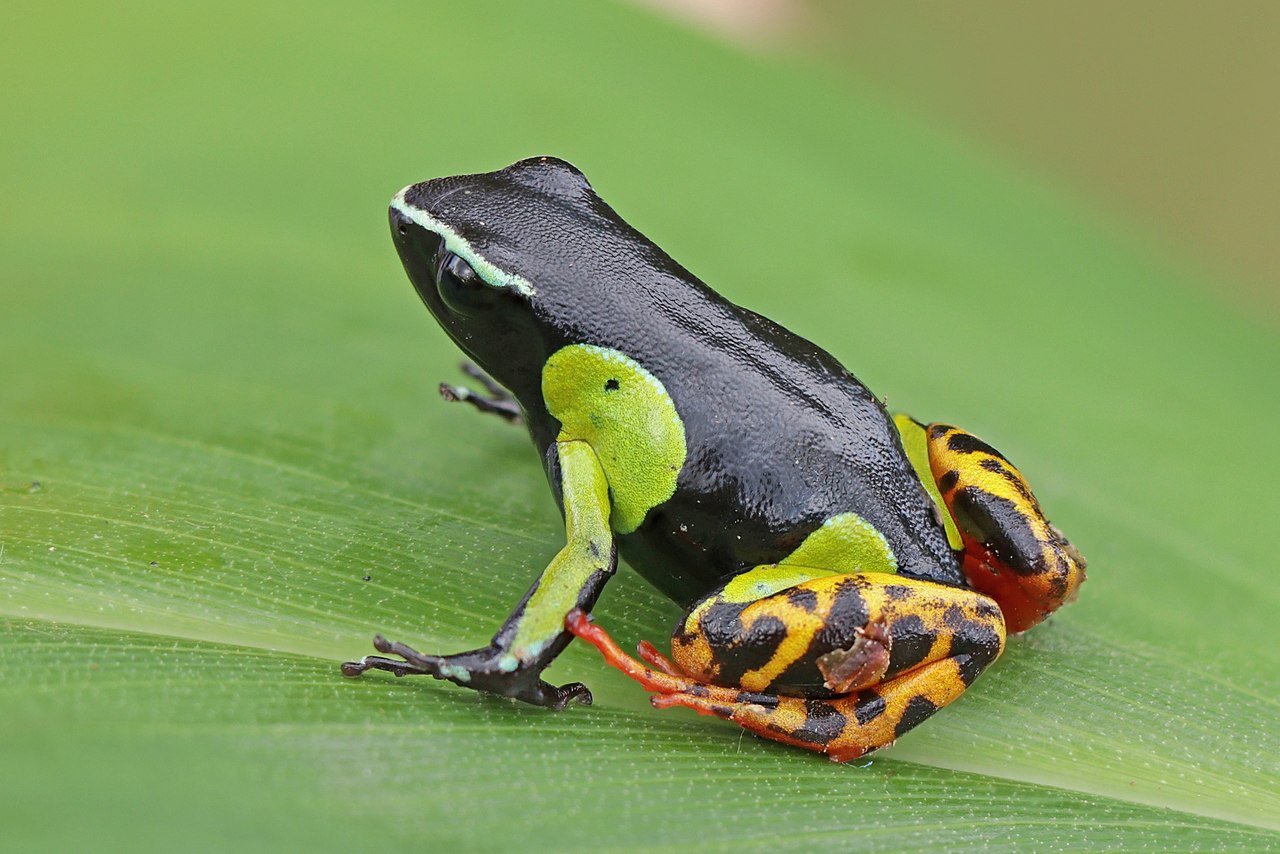
Characteristics and diversity
Members of this family occupy a variety of ecological niches. Some are largely terrestrial, others are adapted to burrowing or to life in trees, while several species are aquatic or semi-aquatic. Morphological traits vary accordingly: limb length, toe webbing and skin texture correlate with habitat and mode of locomotion. Size ranges from small, ground-dwelling frogs to larger, robust forms. Many genera show specialized reproductive or parental behaviours.
Reproduction and development
Leptodactylid frogs are notable for diverse reproductive strategies. Some construct foam nests in which eggs develop until tadpoles hatch into water, while others deposit eggs in crevices or on the forest floor. Eggs laid on the forest floor may hatch into non-feeding larvae that remain in the nest area until metamorphosis, and certain lineages exhibit direct development, where embryos develop inside the egg and hatch as miniature adults, bypassing a free-swimming tadpole stage. Eggs are sometimes placed on the surface of water depending on species and environmental conditions.
Distribution and habitat
Geographically, species attributed to the Leptodactylidae sensu lato occur widely from Mexico through Central America, across the Caribbean islands and throughout much of South America. Habitats include rainforest understories, savannas, montane cloud forests and riparian zones. Local abundance can be high for some species, making them important components of food webs as both predators of invertebrates and prey for larger animals.
History, taxonomy and fossil record
The circumscription of Leptodactylidae has changed as genetic and morphological studies have refined anuran relationships. Taxonomic revisions have moved some groups to separate families, so lists of genera and species numbers vary among sources. Fossils and subfossil remains tied to this radiation provide a minimum age for some lineages; palaeontological work has recovered specimens and deposits dating back tens of millions of years, including material interpreted at roughly 37 million years in age. These finds appear in broader fossil records that help reconstruct past distributions and environments.
Importance and notable facts
Leptodactylid frogs are important ecologically as insect predators and as indicators of habitat health. Their range of reproductive modes—from foam nests to direct development—makes them subjects of interest in studies of life-history evolution. Conservation concerns for some species include habitat loss, pollution and disease, and taxonomic uncertainty sometimes complicates assessments of status. For further general background see sources on genus diversity and on regional herpetofaunas (Mesozoic to Cenozoic evolution, family overview).
- Typical habitats: rainforest floor, streams, savannas.
- Reproductive modes: foam nests, aquatic eggs, terrestrial eggs, direct development.
- Distribution highlights: Mexico, Central America, Caribbean, South America.
- Taxonomic note: many genera and species counts are revised as new data appear; consult regional lists for current treatment (anuran systematics).
For specific genera and species accounts, and for conservation status, consult specialized databases and recent taxonomic reviews (reproductive notes, species lists, Eleutherodactylus treatments). Additional background on behaviour and ecology can be found in regional field guides and herpetological literature (terrestrial, burrowing, aquatic specializations).
Related articles
Author
AlegsaOnline.com Leptodactylidae: overview, biology, distribution and reproduction Leandro Alegsa
URL: https://en.alegsaonline.com/art/57280
Sources
- ncbi.nlm.nih.gov : "Major Caribbean and Central American frog faunas originated by ancient oceanic dispersal"
- doi.org : 10.1073/pnas.0611051104
- pubmed.ncbi.nlm.nih.gov : 17548823
- amphibiaweb.org : "AmphibiaWeb: Information on Amphibian Biology and Conservation"