
Cricket: rules, formats, history and global significance
Cricket is a bat-and-ball sport played between two teams of eleven. This article explains its basic rules, playing roles, major formats, historical development, and global reach.
Cricket is a bat-and-ball game played between two teams of eleven players. One side bats and tries to score runs; the other bowls and fields to restrict scoring and dismiss batters. A typical match is contested on a grass field with a 22-yard pitch at its centre. The game combines individual skill (batting, bowling, wicketkeeping) with coordinated fielding and strategy, and it is governed internationally by a single body responsible for rules and competitions.
Image gallery
10 Images




Basic structure and play
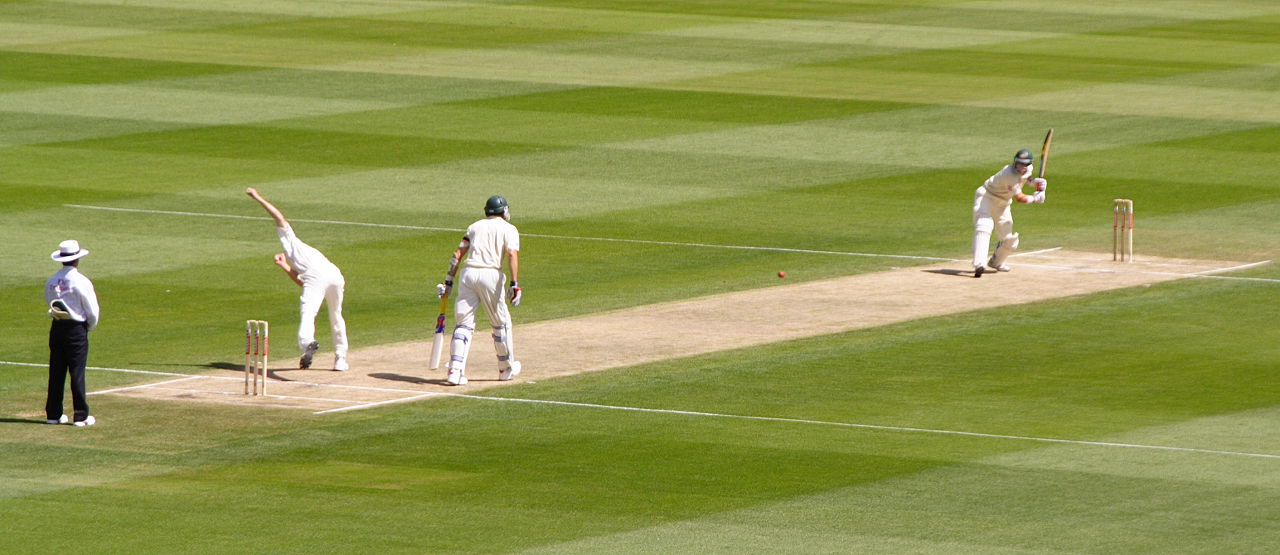
Play centres on the pitch, a rectangular strip where a batter stands at each end in front of three wooden stumps called a wicket. Bowlers deliver the ball toward the wicket and the batter attempts to defend it and score by hitting the ball. Runs can be scored by running between the wickets, by boundaries (when the ball reaches or crosses the edge of the playing area), or as extras awarded for errors by the fielding side. A team’s innings ends when a set number of overs has been bowled, a batting side is reduced to ten dismissed players, or other conditions specified by the format are met. After both teams have had their innings, the side with more runs wins.
Players, roles and dismissals
Each team includes batters, specialist bowlers and fielders, plus a wicketkeeper who stands behind the wicket to collect deliveries and make stumpings. Bowlers vary their deliveries in speed, spin and line to outwit batters. Common modes of dismissal include being bowled, caught, leg before wicket (LBW), run out and stumped. Field placements and bowling changes are important tactical elements, and teams adapt their approach depending on the match situation, pitch conditions and format.
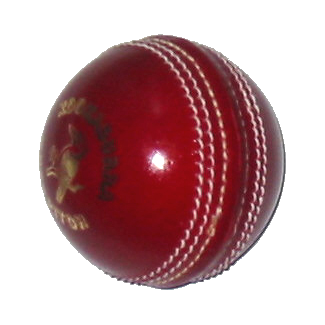
Matches are officiated by umpires who apply the laws of cricket and adjudicate decisions; at higher levels, technology such as ball-tracking and replay systems assist in tight calls. Equipment is simple but specific: a flat-faced wooden bat, a leather ball, protective pads and gloves for batters, and helmets for safety. The playing surface and weather can have a major influence on how the game unfolds.
Major formats and competition
Cricket is played in several formats that differ in duration and rules. Traditional multi-day matches (often called first-class or Test cricket) can last up to five days and test endurance and technique. Limited-overs formats include One Day Internationals (ODIs), where each side typically faces a fixed number of overs, and Twenty20 (T20), a shorter, fast-paced format designed to be completed in a few hours. Each format emphasizes different skills and strategies and has its own domestic and international competitions, with professional leagues and national teams competing around the world.
History, spread and cultural importance
Cricket developed in England from rural origins and became increasingly organized from the 16th and 17th centuries onward. Over time it spread with English trade and colonisation and was adopted and adapted in many regions. The sport holds considerable cultural significance in several countries, where international matches draw large audiences and major events can have wide social and economic impact. Today, cricket enjoys strong followings across Asia, Australasia, Africa and parts of Europe and the Americas.
Notable distinctions and facts
Cricket differs from many other sports in its variety of formats, the longevity of some matches, and its balance between individual statistics and team strategies. Records and statistics are a prominent part of the game’s appeal, while innovations such as limited-overs rules and franchise leagues have broadened its audience. The sport’s laws are maintained to preserve fairness and to adapt to new technologies and playing conditions.
Further reading and reference links
- Wickets and pitch details
- Field dimensions and circles
- Early history in England
- Historical court references
- Local origins and reports
- Historical figures mentioned in records
- Spread within the British Empire
- Cricket in Australia
- Cricket in India
- Cricket in Pakistan
- Cricket in Sri Lanka
- Cricket in Bangladesh
- Cricket in South Africa
- Cricket in New Zealand
- Cricket in Afghanistan
- Cricket in Ireland
- Cricket in Kenya
- Cricket in Scotland
- Cricket in the Netherlands
- Cricket in Zimbabwe
Questions and answers
Q: What is cricket?
A: Cricket is a sport which is played between two teams of eleven players each. One team, which is batting, tries to score runs while the other team fields and tries to prevent this.
Q: How are runs scored in cricket?
A: Runs are scored by hitting the ball, which is thrown by a player from the fielding team to a player from the batting team, across the boundary or by the two batting players running back-and-forth between the two wickets.
Q: What are wickets?
A: Wickets are sets of three small wooden posts that are at each end of a rectangle of short grass called 'the pitch', which is 22 yards long.
Q: Where does cricket take place?
A: The pitch is inside a much larger oval of grass called the 'area of play'. The area of play is a 30 yard circle inside the cricket ground or stadium.
Q: How can players be "out" in cricket?
A: The fielding team can attempt to get batting players "out" in a number of ways such as catching them out or bowling them out. When a player is out, their teammate will replace them in the field.
Q: When did cricket become popular?
A: Cricket started to gain popularity in England in 16th century with an earliest definite reference being heard in 1598 during John Derrick's court case about playing on common land 50 years prior. Later it spread throughout countries within British Empire during 19th and 20th centuries and today it remains popular worldwide.
Related articles
Author
AlegsaOnline.com Cricket: rules, formats, history and global significance Leandro Alegsa
URL: https://en.alegsaonline.com/art/24178
Sources
- lords.org : MCC – the official Laws of Cricket
- stats.espncricinfo.com : "Records - One-Day Internationals - Team records - Highest innings totals - ESPNcricinfo.com"