
Hylidae: the tree frog family
Hylidae is a diverse family of frogs commonly called tree frogs. Members range from arboreal climbers to ground- and water-associated species; they play important ecological roles and face varied conservation threats.
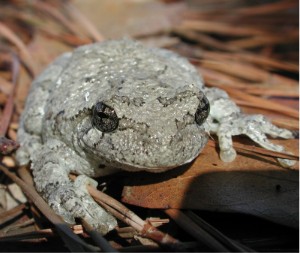
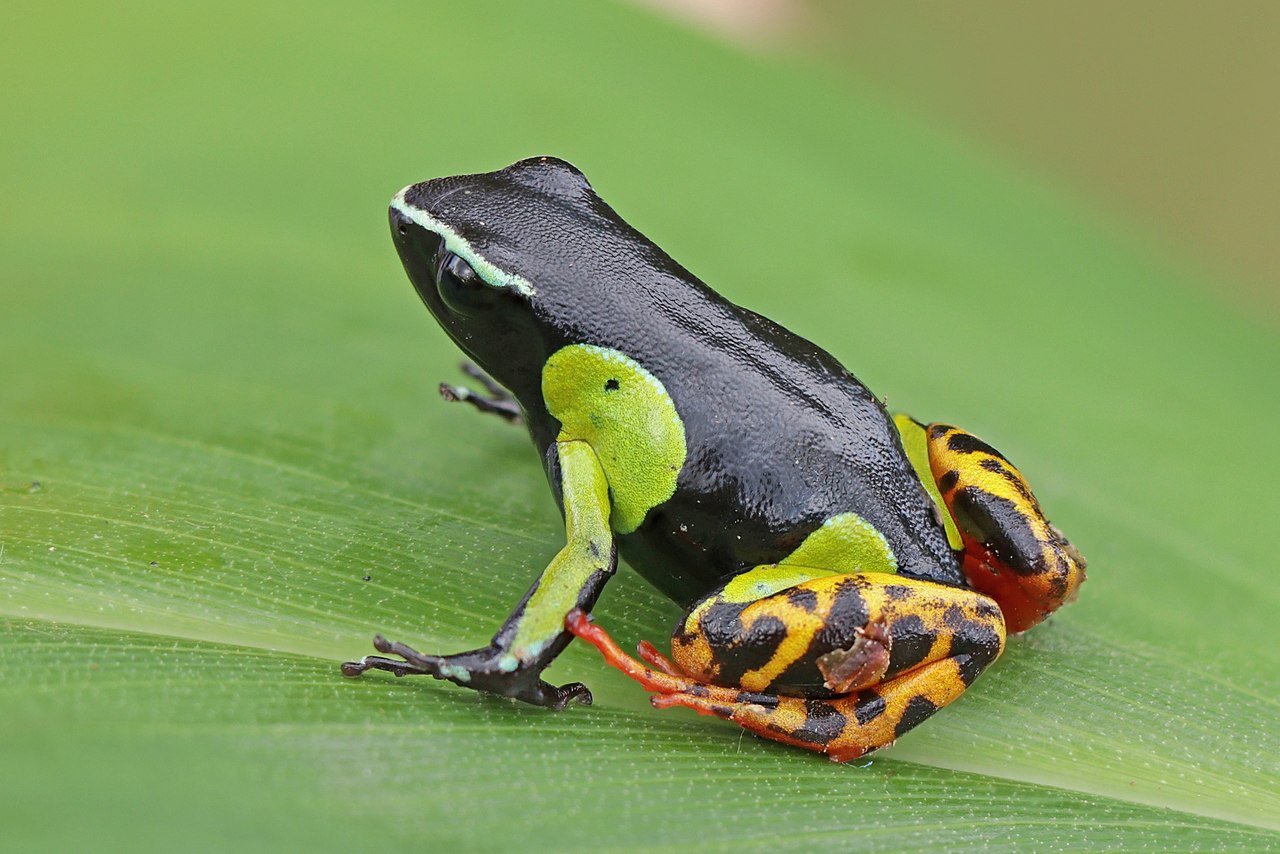
Overview: Hylidae is a widespread family of frogs often referred to as tree frogs. It comprises several hundred species with a variety of lifestyles: many are primarily arboreal, while others are semi-aquatic or terrestrial. Hylids occur in a wide range of climates and vegetation types and are noted for their vocal behavior and nocturnal activity.
Image gallery
10 Images





Characteristics
Typical features include expanded toe pads that help with climbing, long hind limbs adapted for jumping, and smooth or slightly granular skin. Coloration varies from cryptic browns and greens to bright warning colors in a few species. Males commonly develop vocal sacs used during breeding choruses; calls are often a primary means of species recognition.
Distribution and habitat
Hylid frogs are primarily found across the Americas, with some genera also present in parts of Europe, Asia and northern Africa. They occupy habitats from tropical rainforests and wetlands to temperate woodlands and grassy areas. While many species live in trees and shrubs, several breed in ponds, streams or temporary pools and some spend much of their life near the ground or in water.
Reproduction and life cycle
Breeding strategies are diverse: most species lay eggs that hatch into free-swimming tadpoles, but some lay eggs on vegetation above water, in foam nests, or in other moist microhabitats. Tadpoles typically undergo metamorphosis to a juvenile frog; timing and developmental details vary with climate and species.
Taxonomy and history
Historically grouped under a broad Hyla genus, hylid taxonomy has been reshaped by morphological and molecular studies. Modern classifications have split several lineages into different families or genera, reflecting evolutionary relationships clarified by genetic data.
Importance and conservation
Hylids are important insect predators and serve as prey for many larger animals, making them key components of food webs. They are also useful bioindicators for environmental change. Threats include habitat destruction, pollution, invasive species and emerging diseases such as chytridiomycosis. Conservation status ranges from abundant to critically endangered depending on the species; habitat protection and disease research are central to their preservation.
- Key traits: toe pads, arboreal habits, vocal calls
- Roles: pest control, ecological indicators, research and pet trade
- Conservation actions: habitat protection, monitoring, captive breeding
Related articles
Author
AlegsaOnline.com Hylidae: the tree frog family Leandro Alegsa
URL: https://en.alegsaonline.com/art/46135