
Bufonidae (True Toads): Characteristics, Distribution, and Natural History
Bufonidae, the true toads, are a widespread family of amphibians noted for warty skin, parotoid toxin glands, egg-strings, varied reproductive modes, and important ecological roles.
Overview
Bufonidae, commonly called the true toads, is a broad family of amphibians that includes many of the species people recognize as toads. Members of this family occupy a wide range of habitats and are familiar in gardens, forests, deserts and wetlands. The family has been treated variously by taxonomists and contains roughly several dozen genera and many hundreds of species; a few representative genera are listed below.
Image gallery
6 Images



Physical characteristics
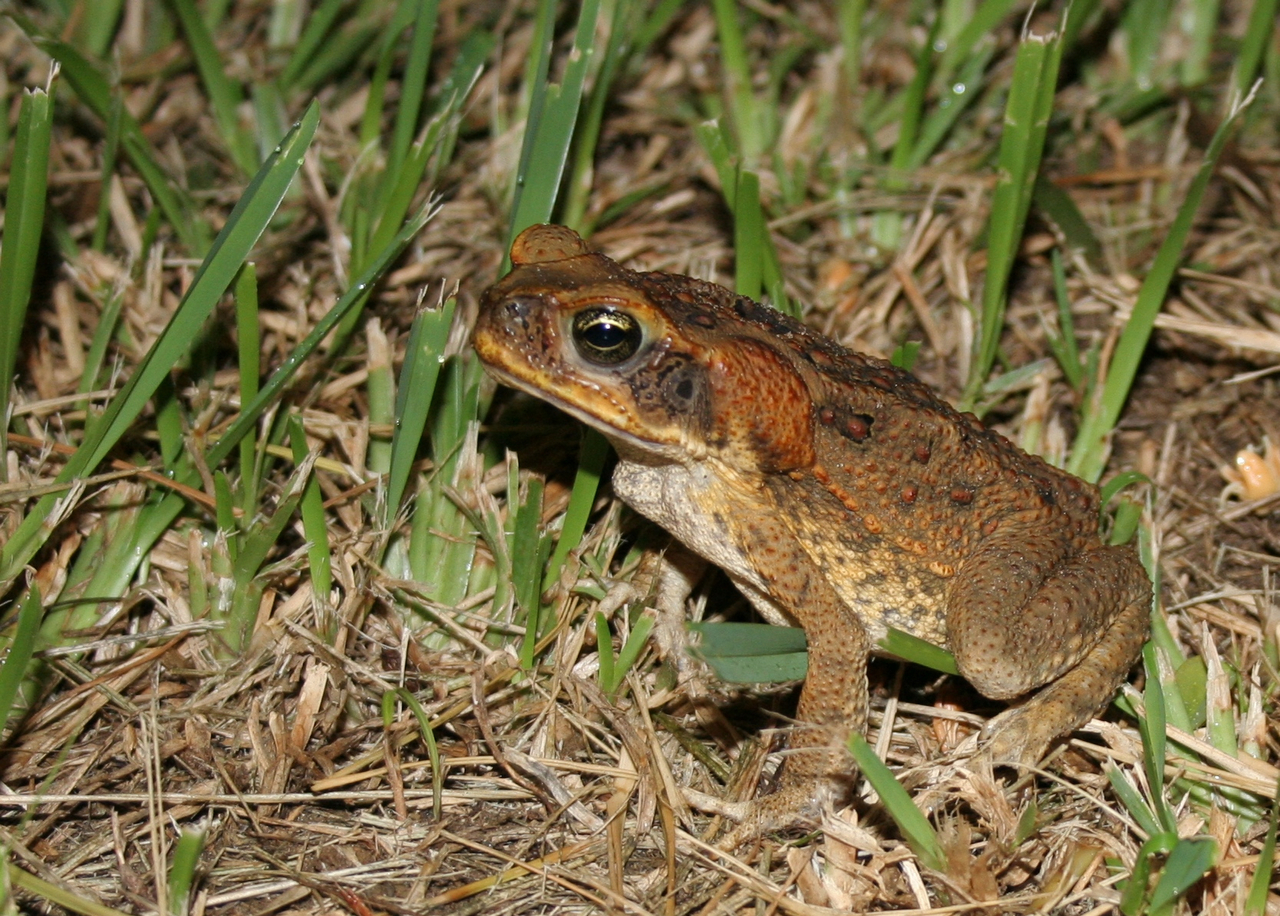
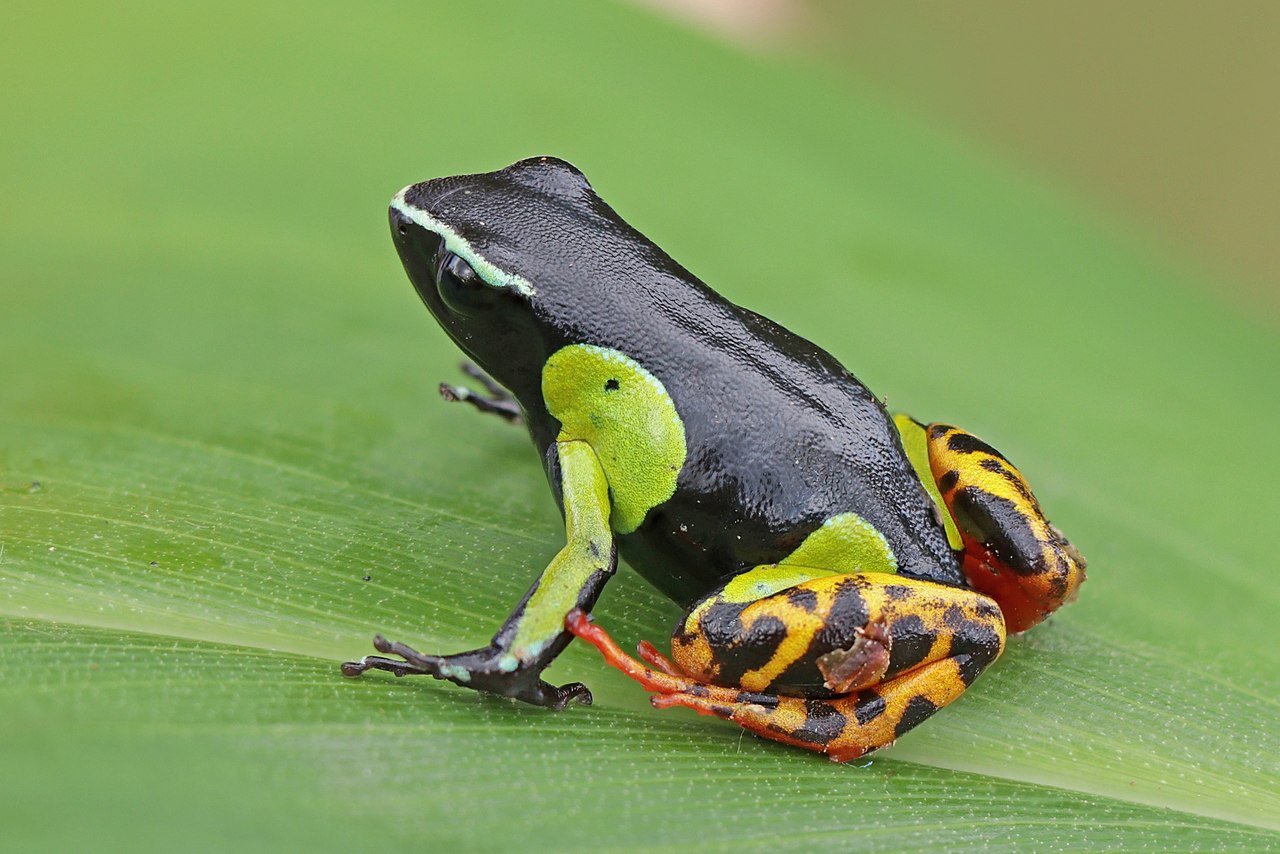
True toads typically show robust bodies, short legs adapted more for walking than long hopping, and dry, granular skin that often appears "warty." Most have no teeth in the upper or lower jaws. A conspicuous pair of parotoid glands sits behind the eyes; these glands secrete milky or bitter compounds that can deter predators. Those secretions include a complex mix of substances often referred to collectively as bufotoxins or related alkaloids. Toxin potency varies widely among species and may be influenced by diet and environment.
Reproduction and development
Many bufonids lay eggs in long strings, typically wrapped around vegetation in water, which then hatch into free-swimming tadpoles. These tadpoles metamorphose into terrestrial juveniles in the usual amphibian pattern. However, reproductive modes in the family are diverse: some species display direct development (eggs developing into miniature adults without a free-swimming tadpole), and the African genus Nectophrynoides is notable for internal fertilization and the birth of fully formed young rather than typical tadpoles. Males of many bufonid species also possess a Bidder's organ, an embryonic ovarian structure that can develop ovarian tissue under particular physiological conditions.
Distribution and habitat
True toads have a nearly global distribution. Their native range historically excluded Antarctica and, in most cases, Australia; however, human introductions have established some bufonids, such as the cane toad, beyond their native ranges. Species inhabit tropical rainforests, temperate woodlands, grasslands, arid scrub and even suburban environments. Their ability to tolerate varied climates and habitats contributes to their widespread presence.
Ecology, interactions and conservation
Bufonids play major ecological roles as insect predators and as prey for larger animals. Their toxins provide defense but can also make them hazardous to domestic animals and wildlife that attempt to eat them. Like other amphibians, many bufonid populations face threats from habitat loss, pollution, disease (including chytrid fungi), and invasive species. Conservation status varies by species: some are common and adaptable, while others are declining and of conservation concern.
Notable genera (examples)
- Bufo
- Anaxyrus
- Rhinella
- Incilius
- Duttaphrynus
- Nectophrynoides
- Sclerophrys
- Bufotes
- Peltophryne
- Rhaebo
- Atelopus
- Mertensophryne
For further reading on classification, natural history and conservation issues related to Bufonidae, consult specialist resources and regional field guides. Scientific names and the limits of genera are subjects of ongoing research and revision.
Related articles
Author
AlegsaOnline.com Bufonidae (True Toads): Characteristics, Distribution, and Natural History Leandro Alegsa
URL: https://en.alegsaonline.com/art/15147