
Tree frog: arboreal frogs, adaptations, life cycle and conservation
Tree frogs are a diverse, arboreal group of frogs adapted to life above ground. This article covers their key traits, reproductive strategies, evolution, ecological roles, and conservation concerns.
Tree frogs are a functional grouping of frogs adapted to living in vegetation above the ground rather than a single taxonomic unit. The label tree frog is used for species from several disparate lineages that independently evolved similar arboreal habits. They occupy branches, leaves and canopy pools and are especially common in humid forests and other areas with abundant foliage. Although many spend most of their lives off the ground, some descend to breed or forage.
Image gallery
10 Images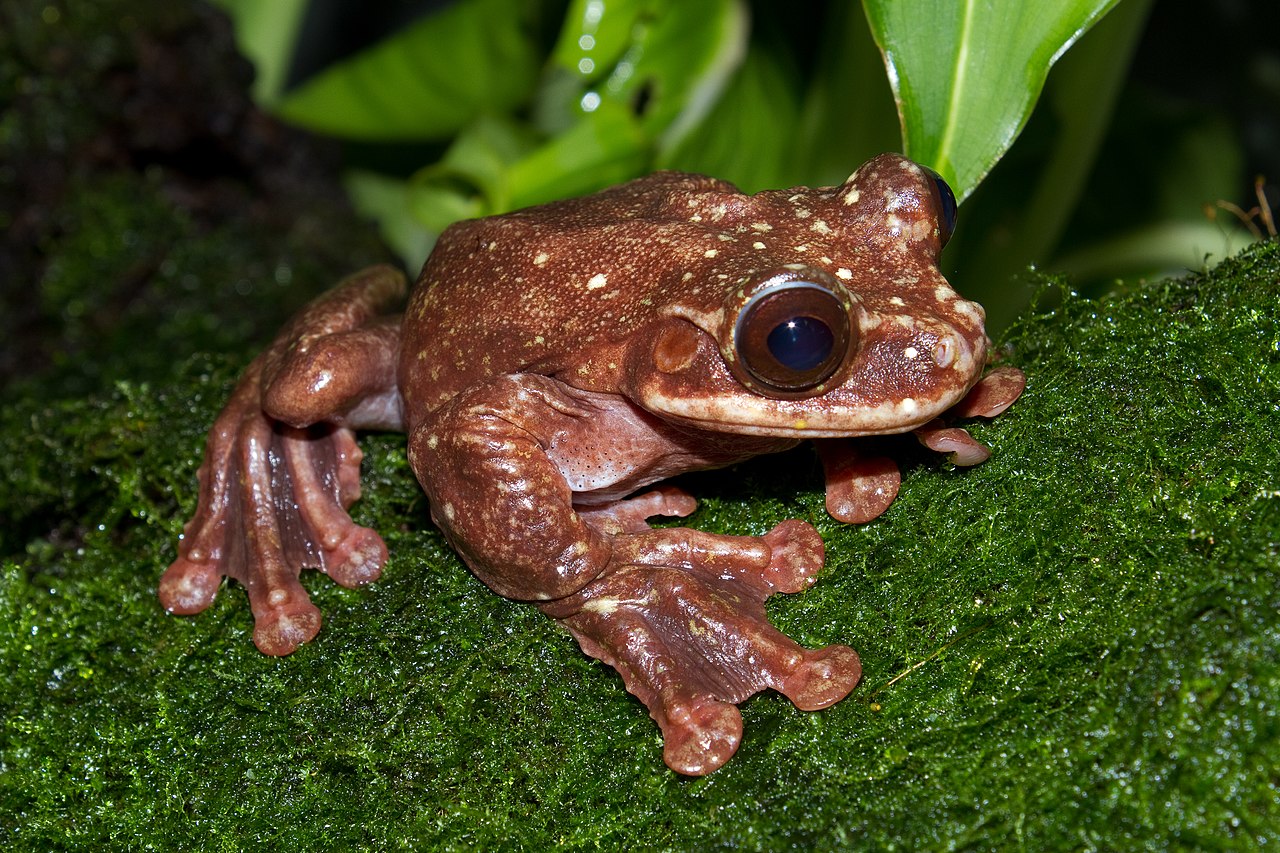



Physical characteristics and special adaptations
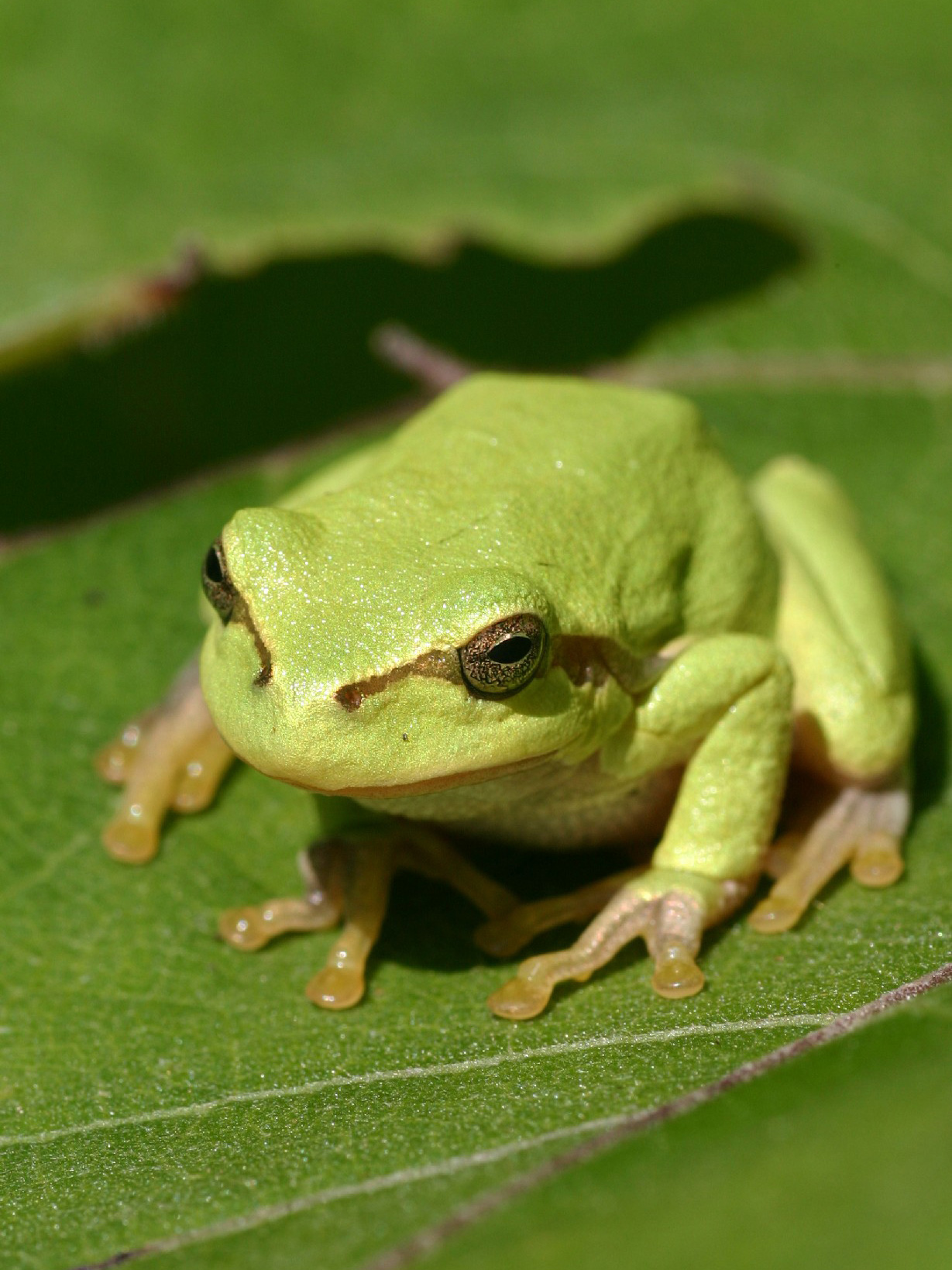
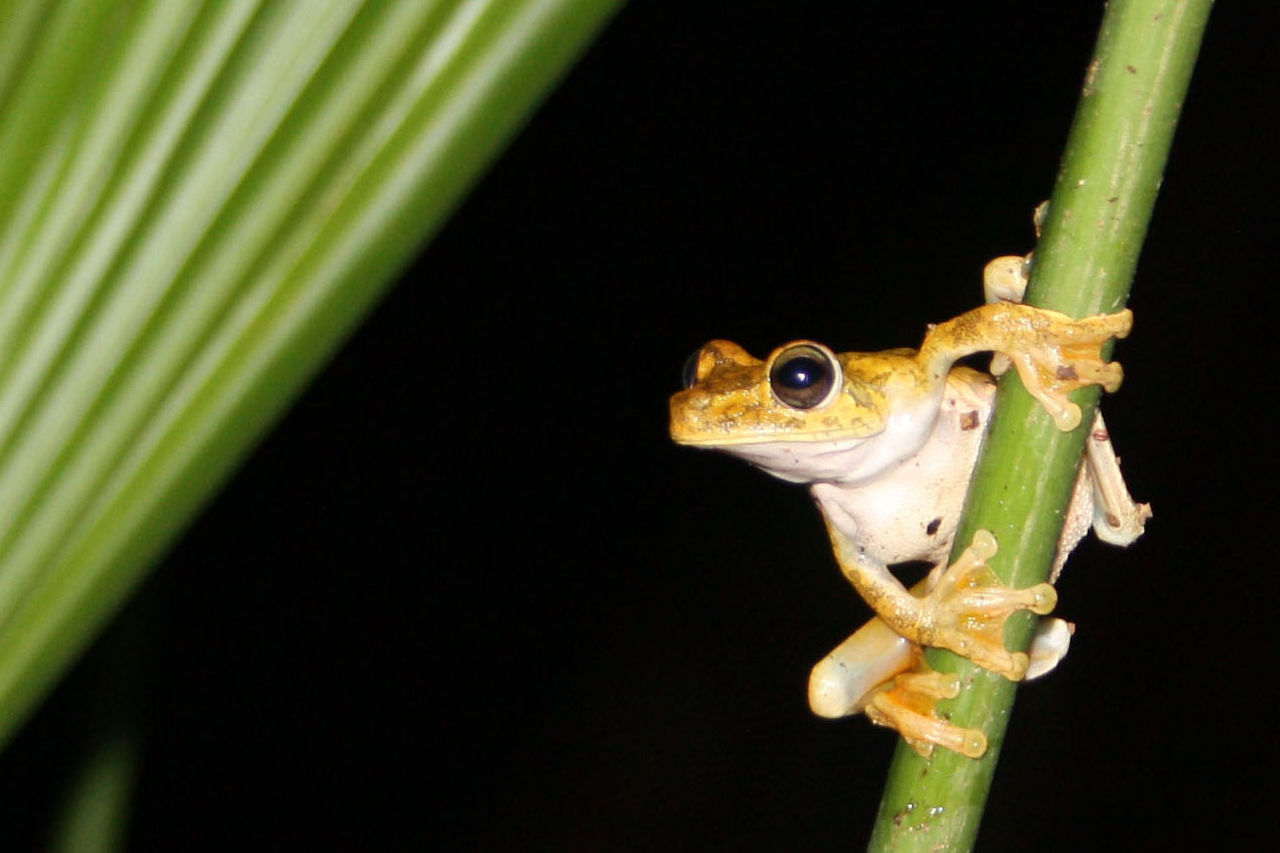
Most tree frogs are small and lightweight, which helps them move on thin twigs and leaves. Typical features include long limbs, slender bodies and well-developed toe and finger pads that increase contact area and adhesion. These pads combine a soft, mucus-coated surface with a finely sculpted epidermis to create capillary and frictional forces that allow the animals to cling to wet and smooth surfaces. Some species have opposable digits that improve grasping ability, a trait most pronounced in genera such as Chiromantis.
- Adhesive toe pads and long toes for gripping.
- Variable webbing between toes, aiding occasional swimming or gliding.
- Ability to change color for camouflage or thermoregulation.
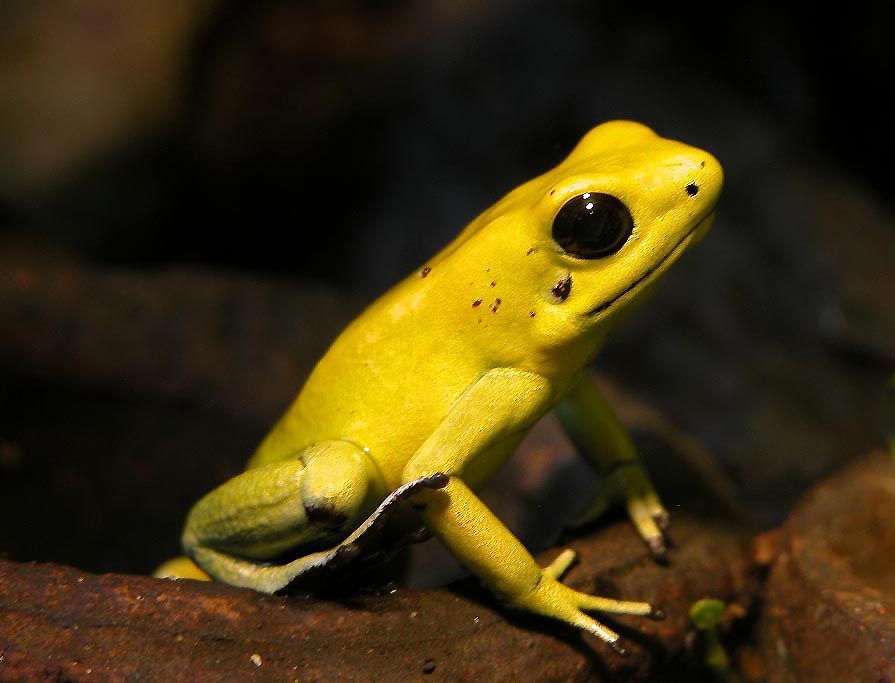
- In a few species, skin toxins and bright warning colors as a defence.
Reproduction and life cycles
Reproductive strategies among arboreal frogs are unusually diverse. Some descend to ponds or streams to lay eggs; others exploit small water bodies in the canopy, such as bromeliad tanks, leaf axils or tree holes (a mode called phytotelmy). Several species produce foam nests on leaves that hang over water; hatched tadpoles drop into the pool below. In many tropical lineages, eggs undergo direct development so that froglets hatch without a free-living tadpole stage. These different strategies allow tree frogs to reduce predation on eggs and larvae and to colonize habitats with limited standing water.
Evolution, convergence and distribution
Tree-dwelling habits have evolved independently in several branches of the advanced frogs. Within the group of modern frogs commonly called Neobatrachia, multiple clades became arboreal at different times. This repeated independent evolution of similar traits—such as toe pads and streamlined bodies—is a classic example of convergent evolution. As a result, species from distinct lineages can appear very similar despite distant relationships. Tree frogs are distributed worldwide in suitable climates, with many species in tropical Central and South America, Africa, Asia and Australasia.
Ecological role and human relevance
Tree frogs are important insect predators that help control pest populations in forests and agricultural borders. They are also indicators of environmental health: amphibian populations often respond quickly to habitat alteration, pollution and disease. Some arboreal species are collected for the pet trade, while a small number with skin alkaloids or bright colours have been studied for their chemical ecology and potential pharmacological uses.
Conservation and threats
Like many amphibians, tree frogs face significant threats. Habitat loss through deforestation and wetland draining reduces available breeding and foraging sites. Emerging diseases, especially fungal pathogens, climate change and pollution have contributed to declines in many populations. Conservation measures include habitat protection, monitoring, captive breeding and research into disease mitigation. Public education and legal protection in regions where sensitive species occur are also part of broader efforts to conserve arboreal frog diversity.
Notable facts and distinctions
- Not all small, arboreal frogs belong to a single family; the term groups species by lifestyle rather than strict taxonomy. See examples across different families and continents via forest and canopy studies.
- Some poisonous or brightly coloured frogs often associated with warning colouration are best known from other families; nonetheless, the combination of arboreal life and chemical defence occurs in a few lineages (neotropical research).
- Specific reproductive innovations such as foam nesting, direct development and arboreal tadpoles are documented in multiple genera and can be explored in field guides and academic summaries (breeding strategies, phytotelmata ecology).
- Phylogenetic work emphasizes deep splits among arboreal clades; molecular and fossil studies provide context for their ancient divergences (phylogeny, fossil record).
- Conservation resources and species accounts are available through regional databases and specialist groups (conservation, amphibian alliances).
For anyone studying or observing tree frogs, attention to microhabitats—leaf litter, bromeliads, canopy pools and riparian corridors—reveals much of their life history. Their diversity of form and behaviour makes them a vivid example of how similar ecological pressures can shape unrelated animals in similar ways.
Questions and answers
Q: What is a tree frog?
A: A tree frog is a type of frog that spends most of its life in trees.
Q: How do tree frogs differ from other types of frogs?
A: Tree frogs are usually smaller and more slender than terrestrial frogs, they have well-developed discs on the finger and toe tips, and their fingers and toes tend to be rather long which gives them better grasping ability.
Q: What is convergent evolution?
A: Convergent evolution is when species from different groups evolve in similar conditions over time, resulting in species that look very much like each other.
Q: Where do tree frogs normally come down to the ground?
A: Tree frogs normally come down to the ground only to mate and spawn.
Q: Do all tree frogs build foam nests on leaves?
A: No, not all tree frogs build foam nests on leaves; some rarely leave the trees as adults.
Q: Are there any poisonous tree frog species?
A: Yes, some species of tree frog are poisonous (poison dart frog) and display warning coloration.
Q: How does the weight of a tree frog affect its habitat?
A: The weight of a treefrog has to be carried by the branches and twigs of its habitat, so typically they are quite small compared to other types of frogs.
Related articles
Author
AlegsaOnline.com Tree frog: arboreal frogs, adaptations, life cycle and conservation Leandro Alegsa
URL: https://en.alegsaonline.com/art/101333
Sources
- wkyt.com : "Rare frog dies, one of only two left in the world"