
Exotic pet (non-traditional companion animal)
An exotic pet is an uncommon or non-native animal kept for companionship. This article explains definitions, common groups, care issues, legal and conservation concerns, and how exotic pets differ from typical domestic animals.
An exotic pet is an animal kept by humans for companionship that is unusual, wild in origin, or not typically thought of as a household pet. The term is applied to species that are rare in the pet trade, non-native to the owner's location, or that retain strong instinctive behaviors associated with wild animals. Ownership can range from keeping a small, non-domesticated mammal to maintaining reptiles, amphibians, birds, or invertebrates that require specialized environments.
Image gallery
7 Images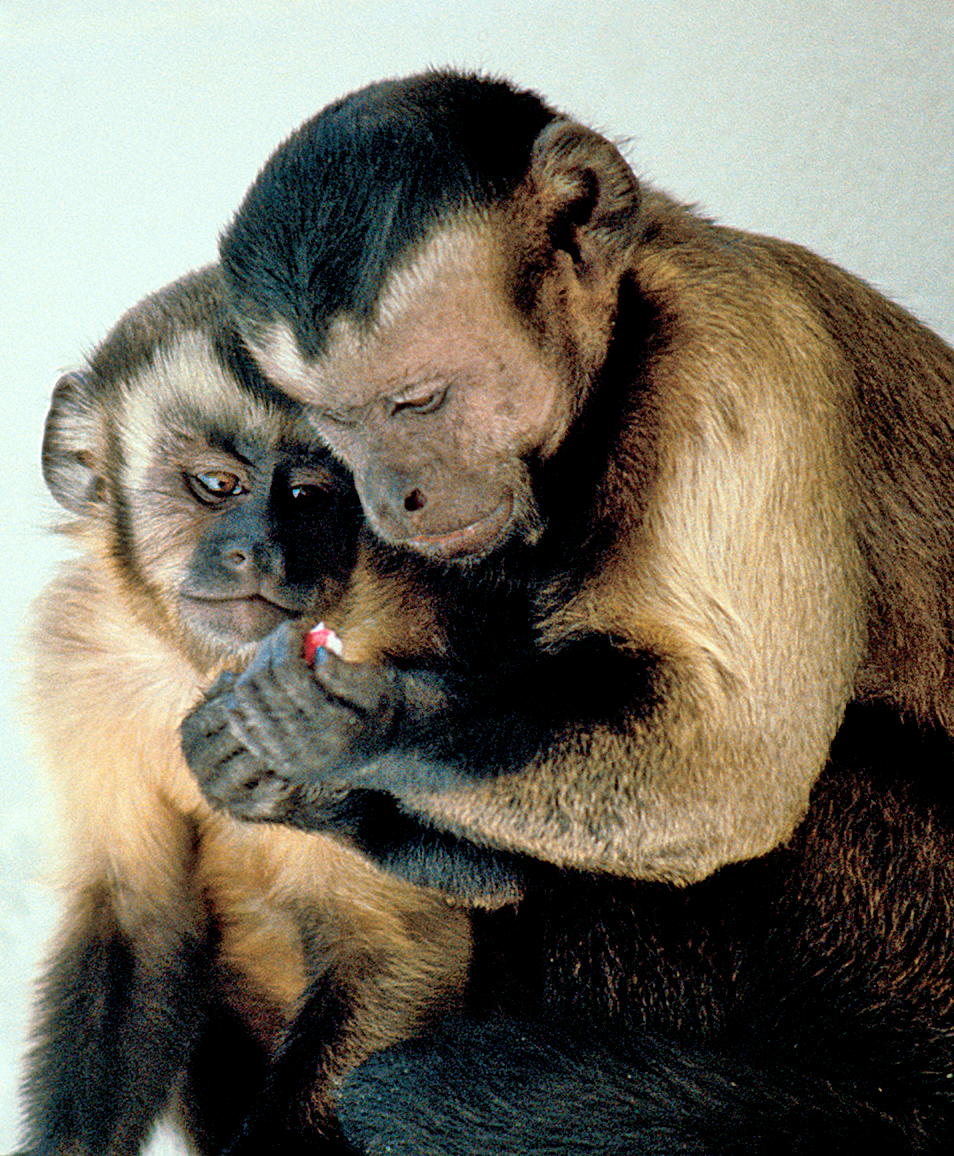



Characteristics
Exotic pets share several traits that distinguish them from conventional pets such as dogs and cats. They often need specialized housing, diet, and temperature or humidity conditions. Many species display behaviors—climbing, burrowing, flight, or nocturnality—that demand appropriate enrichment and enclosure design. Because they are not the product of long-term domestication, their responses to humans can be unpredictable and their veterinary needs are more specialized.
History and development
Humans have kept non-domestic animals for centuries for reasons including status, curiosity, display, and companionship. In more recent times, increased global trade, hobbyist communities, and captive-breeding programs have expanded access to a wider variety of species. At the same time, scientific understanding of animal welfare, nutrition, and behavior has grown, changing how keepers and professionals approach husbandry of non-traditional companion animals.
Care, welfare and legal considerations
- Specialized husbandry: Many exotic species require precise temperature gradients, humidity control, UV light, or large and complex enclosures.
- Veterinary expertise: Not all veterinarians treat exotic species; owners should seek clinicians with relevant experience.
- Health risks: Some exotic animals can transmit zoonotic diseases or carry parasites that affect humans or other pets.
- Regulation and permits: Ownership may be restricted by local or national laws to protect public safety, animal welfare, or native ecosystems.
Prospective owners are advised to consult reliable sources before acquiring an exotic pet and to check local regulations and veterinary availability.
Common groups and examples
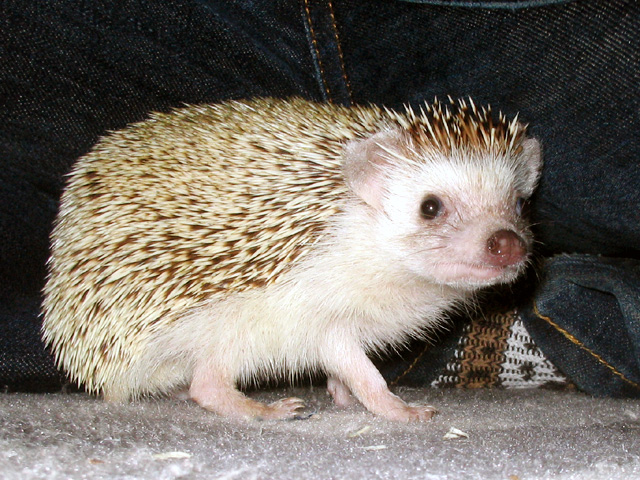
Commonly kept exotics include reptiles (geckos, snakes, turtles), small mammals (ferrets, sugar gliders, hedgehogs), certain birds (parrots and cockatoos when wild-caught types are excluded), amphibians (tree frogs), and invertebrates (tarantulas, mantids). Some species are captive-bred and adapt well to life with people; others retain wild behaviors that make long-term care challenging.
Distinctions and notable issues
Important distinctions separate exotic pets from traditional companion animals. Domesticated species have undergone generations of selection that generally reduce stress, aggression, and disease susceptibility in human environments. Exotic species may face higher risks: poor adaptation to captivity, inadvertent contribution to invasive species problems if released, and conservation impacts when wild-caught individuals are removed from native populations. Responsible ownership emphasizes research, welfare, and compliance with laws. For further general guidance see further information.
Related articles
Author
AlegsaOnline.com Exotic pet (non-traditional companion animal) Leandro Alegsa
URL: https://en.alegsaonline.com/art/32962
Sources
- bcspca.pub30.convio.net : Appendix C