
Frog (order Anura): biology, life cycle, ecology, and human interactions
Comprehensive overview of frogs — their classification, anatomy and life cycle, habitats, ecological role, cultural uses, and conservation issues.
Overview
Frogs are tailless amphibians that belong to the order Anura and are familiar members of freshwater and terrestrial ecosystems. In everyday language the words "frog" and "toad" are often used to suggest differences in skin texture or habitat, but taxonomically they are part of the same broad group (Anura). What people call a toad typically shows a set of traits — thicker, drier skin and a more terrestrial life — that represent an adaptation to drier habitats, rather than a separate, single lineage. The toad-like body plan has evolved multiple times, an example of convergent evolution.
Image gallery
10 Images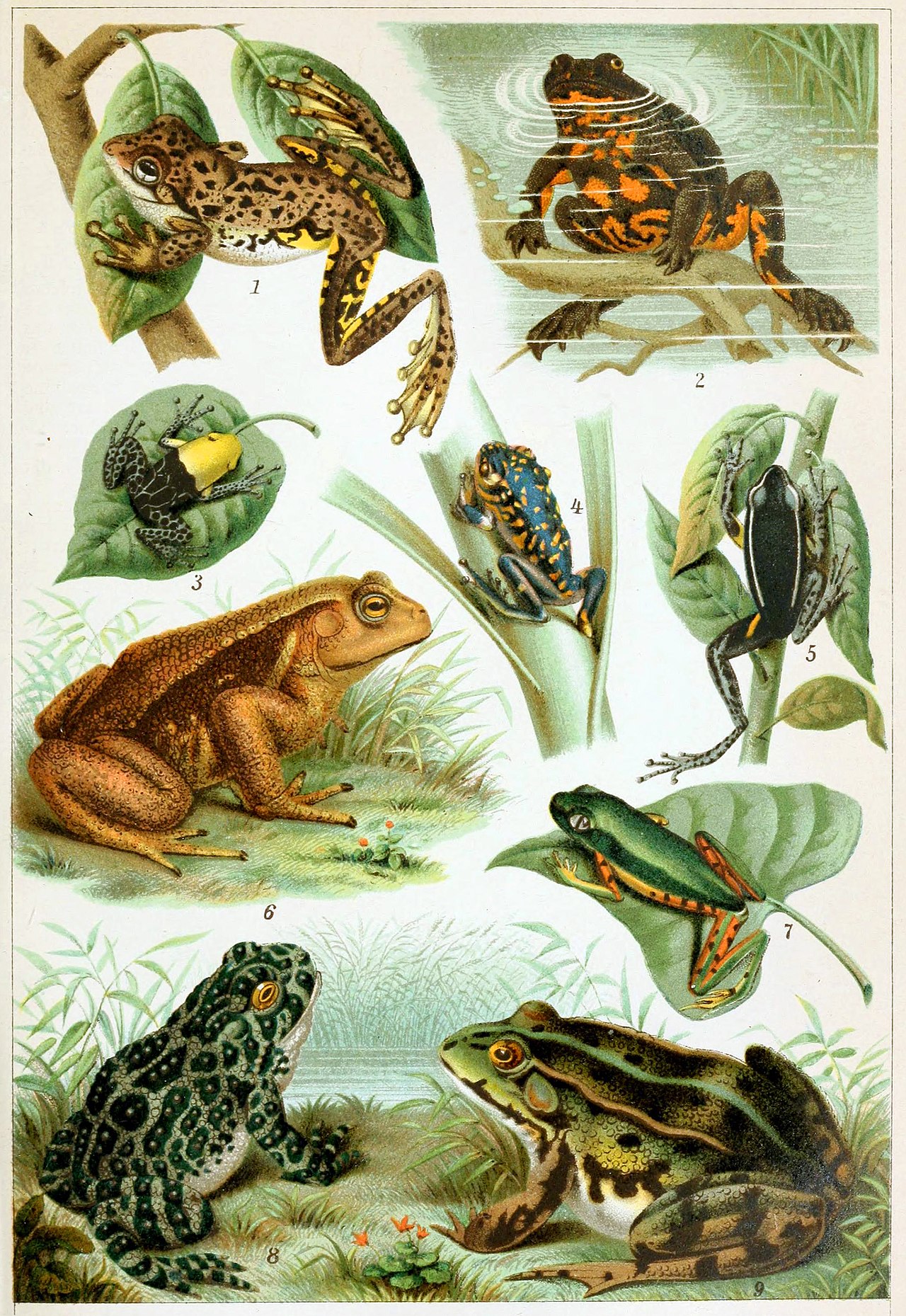


Anatomy and life cycle
Most frogs are adapted to both land and freshwater environments, though they do not tolerate saline seas. Their life history features metamorphosis, a dramatic transformation from aquatic larvae to air-breathing adults. Females lay eggs in water or damp places; these eggs are commonly called frogspawn and hatch into tadpoles. Tadpoles generally have tails and gills for aquatic respiration. As development proceeds a tadpole forms limbs and lungs; the intermediate "froglet" still shows a residual tail, and the mature adult has powerful hind legs and no tail.
Adult frogs have several characteristic features: long hind limbs for jumping, eyes positioned for a wide field of view, and a sticky tongue that many species use to capture insects and other small prey. Most frogs vocalize; the familiar croak is produced by passing air over vocal cords while inflating the throat sac. Some species are arboreal and live in trees, using adhesive pads on their toes to climb (tree-dwelling species), while others have evolved chemical defenses and are poisonous to predators.
Habitat, ecological roles, and impacts
Frogs occupy a wide range of habitats from tropical rainforests to temperate ponds and seasonal wetlands. They serve several ecological functions: as predators of arthropods and other small animals, as prey for birds, mammals and reptiles, and as nutrient movers between aquatic and terrestrial systems. Because they are sensitive to changes in water quality, temperature and pollution, frogs are often used as indicators of environmental health. When an introduced amphibian appears outside its native range it can alter the local ecosystem, competing with native species or spreading disease.
- Typical diets: insectivorous species that control pest populations.
- Ecosystem services: nutrient cycling and food-web connections.
- Vulnerabilities: dependence on freshwater for reproduction and permeable skin that absorbs contaminants.
Human uses and cultural notes
People have interacted with frogs in many ways: they appear in folklore and art, are studied in biology and medicine, and are consumed in some cuisines. For example, frog legs are eaten in parts of France, China, and some regions of the United States Midwest. Collecting and trade can affect local populations, and where frogs are removed on a large scale there can be knock-on effects on food webs, especially where frogs are significant predators of insects.
Classification and conservation
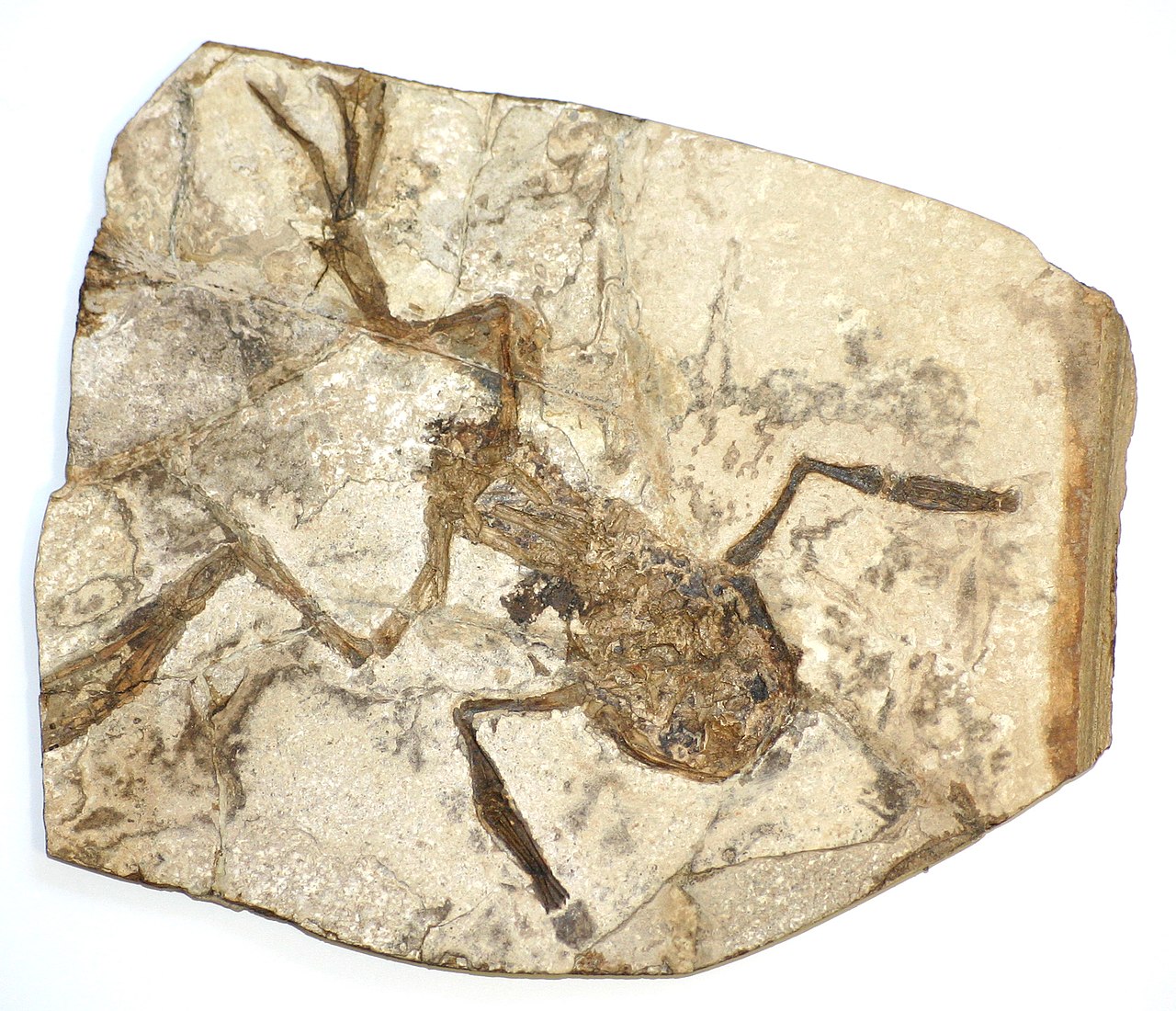
Frogs are members of the modern amphibian group Lissamphibia, the only surviving class of amphibia. Many frog species are declining worldwide due to habitat destruction, pollution, climate change and emerging diseases such as chytridiomycosis. Conservation efforts include habitat protection, captive breeding and disease management. Because frogs link aquatic and terrestrial habitats and respond quickly to environmental stress, they remain a focus for scientific research and conservation planning.
Understanding frog biology and respecting local regulations concerning collection and trade can help preserve their ecological roles and the diversity of species that continue to fascinate scientists, naturalists and the public.
Questions and answers
Q: What is the difference between frogs and toads?
A: There is not much difference between frogs and toads, and they are not classified separately. This is because the toad lifestyle, with its dry, rough skin, is an adaptation to living in drier habitats. The toad form has evolved a number of times independently, an example of convergent evolution.
Q: Where can frogs live?
A: Frogs can live on land and in fresh water. They cannot survive in salt water.
Q: How do frogs develop?
A: Their development is by metamorphosis. They usually hatch as tadpoles from eggs, which are laid by a female frog. The eggs are called frogspawn. Tadpoles have tails and gills. The next stage, the "froglet," develops lungs to breathe air instead of gills, but still have tails. The fully grown frog has long legs and no tail.
Q: What sound do frogs make?
A: Adult frogs make a sound called a croak.
Q: Are there any poisonous species of frog?
A: Yes, some types of frog are protected by being poisonous.
Q: Where do frogs live around the world?
A: Frogs live all over the world; however if a foreign species of frogs is introduced to another country, the local ecosystem might be affected.
Q: Are there any consequences for killing frogs? A:The killing of frogs might have an effect on the ecosystem; for example if there are fewer frogs then there will be more mosquitoes born which could lead to more diseases that mosquitoes carry in those areas where this applies (i..e where they were major predators).
Related articles
Author
AlegsaOnline.com Frog (order Anura): biology, life cycle, ecology, and human interactions Leandro Alegsa
URL: https://en.alegsaonline.com/art/36793
Sources
- species.wikimedia.org : Anura
- commons.wikimedia.org : Anura
- bbc.co.uk : bbc.co.uk/news/science-environment-30643756
- plosone.org : plosone.org/article/info:doi/10.1371/journal.pone.0115884
- frogs.org.au : "Cyclorana platycephala"
- animals.howstuffworks.com : "Tree frog info"
- bbc.co.uk : "BBC News - World's smallest frog discovered"