
Frugivore: animals that feed primarily on fruit
Frugivores are animals that preferentially eat fruit. This article explains their adaptations, examples across animal groups, ecological roles in seed dispersal, and conservation significance.
A frugivore is an animal that eats a high proportion of fruit as part of its diet. Frugivory ranges from occasional fruit consumption to near-exclusive dependence. Many frugivores combine fruit with other foods such as leaves, insects or nectar, and seasonal availability often shapes feeding patterns.
Image gallery
3 Images
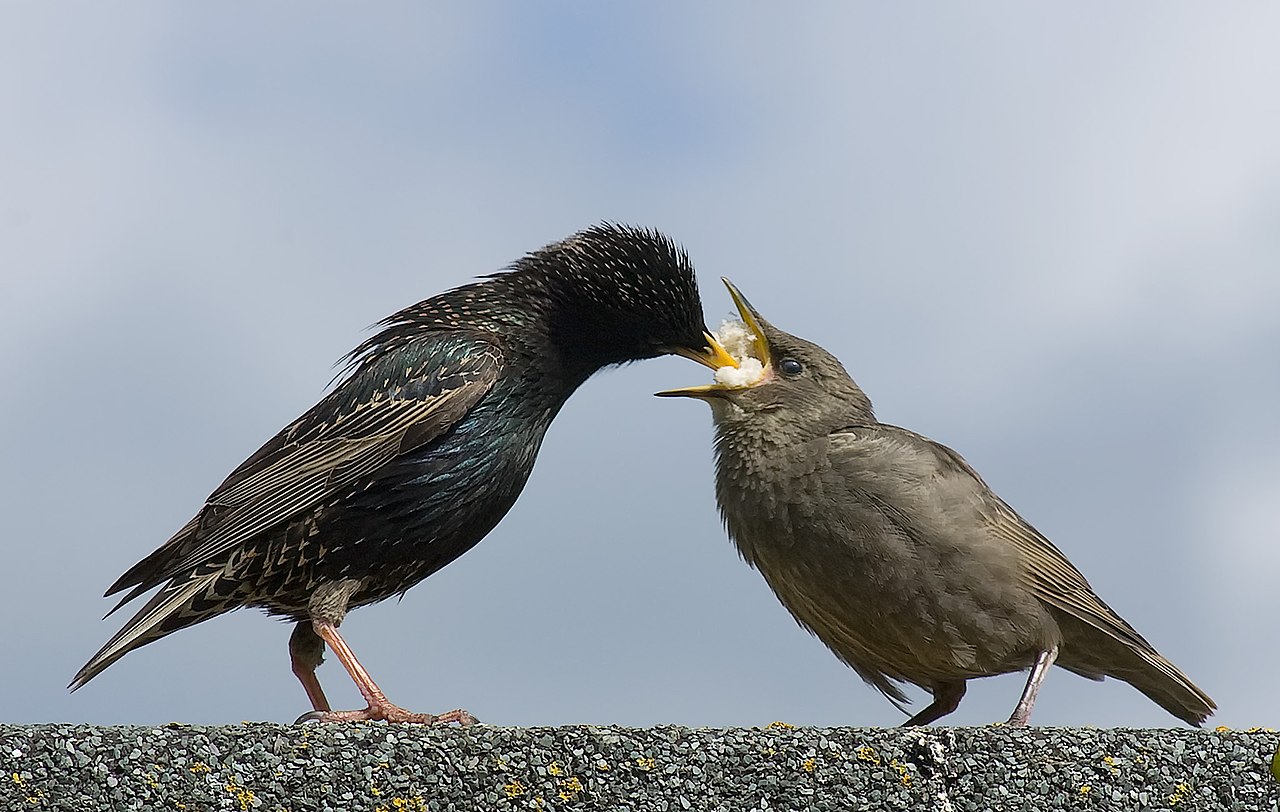

Physical and behavioral adaptations
Species that rely on fruit often show specific adaptations that aid locating, handling and digesting fleshy plant parts. Common traits include forward-facing eyes or good color vision to spot ripe fruit, reduced or specialized dentition for crushing pulp, and a digestive system that tolerates sugars and fiber while allowing rapid seed passage.
- Vision and cognition for identifying ripe fruit and remembering tree locations.
- Beaks, tongues or hands adapted to pluck, peel or pierce fruit.
- Gut physiology that moves seeds intact to facilitate dispersal.
- Behavioral strategies such as flocking or seasonal migrations to follow fruit sources.
Frugivores occur in many animal groups. Birds (for example some parrots, toucans and hornbills), bats (fruit bats or flying foxes), primates (many monkeys and apes), some rodents, and even reptiles and fish include frugivorous species. Within and among taxa, individuals may be obligate frugivores or opportunistic feeders that switch diets when fruit is scarce.
Ecological roles and importance
One of the most important functions of frugivores is seed dispersal. By carrying seeds away from parent plants — in feces, regurgitated pellets, or dropped bits — they reduce competition, promote gene flow, and help regenerate habitats. Some plants have coevolved fruits tailored to particular dispersers, affecting fruit size, color, odor and nutrient content.
Conservation concerns link frugivores and ecosystems: habitat loss, hunting and introduced predators can reduce frugivore populations and thus impair forest regeneration. Protecting fruiting trees and movement corridors, and studying feeding behavior with methods like fecal analysis and telemetry, are key to conserving these mutualisms. For further reading see resources at related entries.
Related articles
Author
AlegsaOnline.com Frugivore: animals that feed primarily on fruit Leandro Alegsa
URL: https://en.alegsaonline.com/art/36854