
Colour (Color): Perception, Models, Uses
An overview of colour: how it arises from light, how humans perceive and measure it, common colour names, primary systems, uses in art and industry, and variations such as colour blindness.
Overview
Colour is a visual attribute that arises from the interaction between light and a perceiving observer. In simple terms it is the appearance produced when different wavelengths of light stimulate the eye and brain, but colour can also be described as a measurable property of that light as it is seen. The English words "colour" and "color" are variant spellings used in different regions; both refer to the same phenomenon.
Image gallery
9 Images





Common names and categories
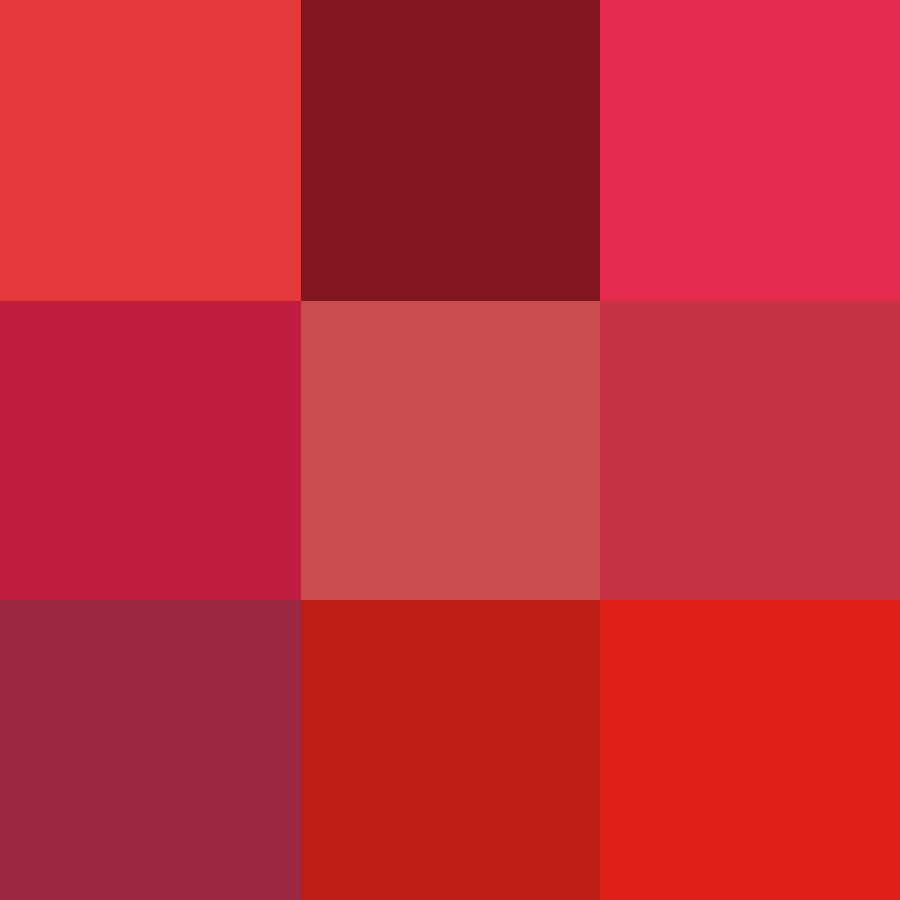
Everyday language has many names for colour; some identify spectral hues, others mixtures or descriptive tints. Typical basic names include:
- Red
- Orange
- Yellow
- Green
- Cyan
- Blue
- Magenta
- Purple
- White
- Black
- Gray / Grey
- Silver
- Pink
- Maroon
- Brown
- Beige
- Tan
- Peach
- Lime
- Olive
- Turquoise
- Teal
- Navy blue
- Indigo
- Violet
How colour is described and measured
Scientists and technicians use formal models to describe and reproduce colour. The traditional painters' primaries are often named as red, yellow and blue. Electronic displays use additive primaries — red, green and blue (RGB) — combining light to create many hues. Printing and many paints rely on subtractive primaries — magenta, cyan, and yellow (often with black added) — abbreviated CMYK. The scientific study of these relationships is known variously as chromatics, colorimetry, or colour science.
Perception, variation and limitations
Human colour perception depends on photoreceptor cells in the retina (cones) and neural processing in the brain. Differences in receptors, genetics, lighting conditions, or context can change how a colour appears. Some people have reduced ability to distinguish hues; the condition commonly called colour blindness affects thousands worldwide and is more frequent in males. Languages, individual experience and culture also shape colour naming and categorization.
Uses in art, industry and food
Colour is vital across visual arts, design, safety marking, branding and manufacturing. Artists select pigments and mixes to achieve desired hues; engineers and quality-control teams use standardized colour spaces and instruments to match and reproduce colours consistently. Colourants are also added to consumables: artificial colour additives and commercial food colouring tint many products, while natural pigments such as beta-carotene provide colour in fruits and vegetables.
Transparency, translucency, and cultural notes
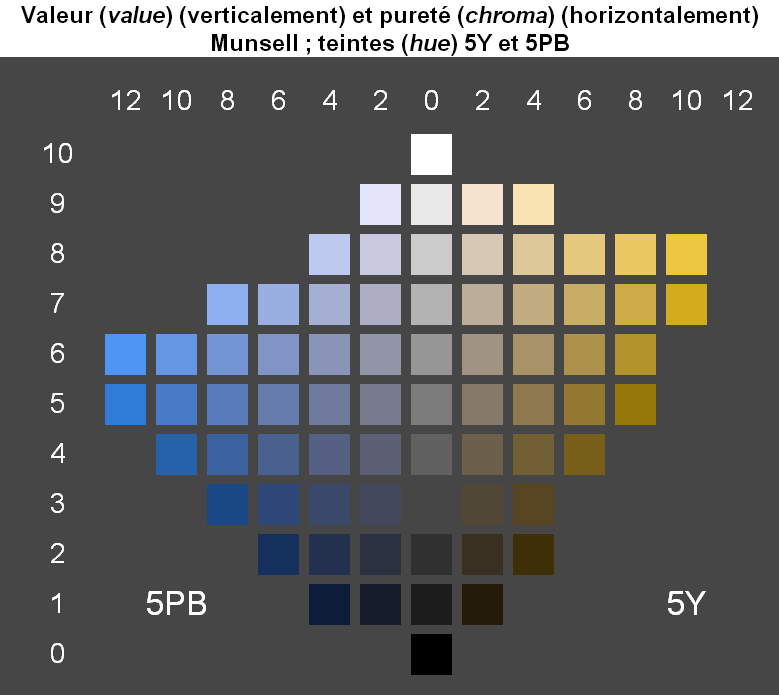
When a material transmits light without selective absorption it may appear colourless and transparent — for example clear air — yet many transparent or translucent materials still possess colour, such as stained glass (an example) whose colour derives from dissolved metal salts. Over time, ideas about colour have influenced art movements, scientific measurement, textile production and symbolic meanings in societies. Practical distinctions — like the difference between hue, saturation and brightness — remain central to both creative and technical work.
Related articles
Author
AlegsaOnline.com Colour (Color): Perception, Models, Uses Leandro Alegsa
URL: https://en.alegsaonline.com/art/21768