
Magenta: color properties, history, and uses
Magenta is a vivid purplish‑pink hue used in printing, design and digital media. It is an extra‑spectral color, appears in CMYK printing, and is closely related to fuchsia and vivid pinks.
Overview
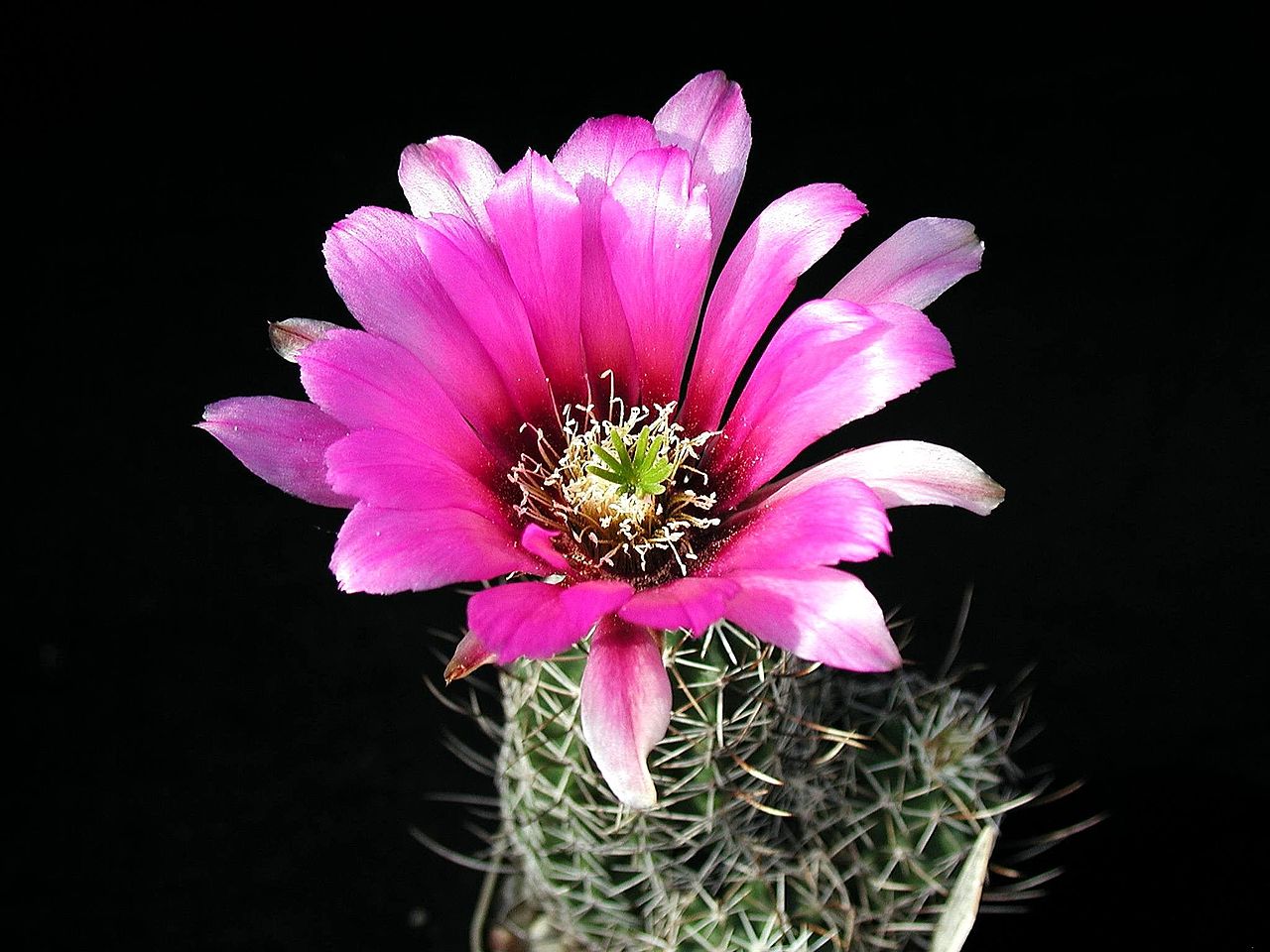
Magenta is a bright, saturated color often described as somewhere between pinkish, purplish and red. In common language it is frequently called fuchsia, a name that refers to the flowering plant fuchsia and its vivid blooms. Magenta occupies an important place in both visual culture and technology because of its strong, eye-catching quality and its functional role in color reproduction systems.
Image gallery
10 Images




Color properties and perception
Unlike spectral colors that correspond to a single wavelength of light, magenta is an extra‑spectral color produced by combining red and blue (or violet) light. When a human viewer sees magenta, the sensation arises from the brain interpreting simultaneous stimulation of the long‑ and short‑wavelength cone cells. In digital color systems, the pure web magenta is commonly represented by the hex code #FF00FF, which corresponds to full red and blue with no green. In color models such as HSV or HSL this pure magenta falls near the magenta/fuchsia sector of the hue circle; variations in saturation and lightness produce a range from pale pinks to deep purples.
Printing and reproduction
Magenta plays a technical role as one of the subtractive primary inks used in color printing. In the CMYK (cyan, magenta, yellow, black) process it combines with cyan and yellow inks to reproduce a wide gamut of printable colors. Consumer inkjet printers and commercial offset presses use a form of printer's magenta whose appearance differs from on‑screen RGB magenta because subtractive mixing and paper reflectance change the perceived hue and saturation. See also discussions of printing color management for how these differences are handled in workflows.
History of the name
The word "magenta" entered English usage in the 19th century; the first recorded use is cited around 1860 and is linked to the era when synthetic aniline dyes and vivid new pigments became available. The name itself is associated with contemporary events and products and is recorded in historical lexicons of color; early references to the color in English sources reflect both the dye industry and popular fashion of the time.
Uses, variants, and cultural notes
- Design and branding: magenta and related tones are used to draw attention, convey modernity, or signal creativity.
- Fashion and cosmetics: garments and makeup exploit magenta's vibrancy to create bold looks.
- Digital media: on screens magenta is reproduced by combining red and blue light, while on paper the printed magenta is a process ink.
- Variations: common named variants include fuchsia, hot pink, and rose; each differs by saturation and value.
Notable distinctions and practical tips
Magenta is sometimes confused with pink or purple, especially when saturation or brightness changes. A highly desaturated magenta can look like pink, while a darker or bluer magenta tends toward purple. For designers it matters whether the context is additive (light, RGB) or subtractive (ink, CMYK) because the same numeric values can yield different visual results. For technical reference and color conversions consult reliable color tools and profiles rather than relying on names alone; web and print systems handle magenta differently, so proofs and on‑screen previews are recommended when accurate reproduction is required.
For further reading on related topics see resources on color theory, plant names associated with color, and printing processes: pinkish, purplish, red, HSV, fuchsia, flower, inkjet, cyan, yellow, printing, English, 1860.
Questions and answers
Q: What is magenta?
A: Magenta is a color that is usually pinkish-purplish-red.
Q: How is magenta related to pink and purple?
A: Magenta is the concentrated form of pink or purple. Sometimes it is confused with pink or purple.
Q: How does magenta differ from pink and purple?
A: In terms of the HSV (RGB) color wheel, the hue is the same for both pink and magenta; only the saturation and value differ.
Q: What is another name for magenta?
A: Another name for magenta is fuchsia, named after the fuchsia flower.
Q: What is the use of magenta in printing?
A: Magenta is one of the three colors of ink used by an inkjet printer, along with cyan and yellow. The tone of magenta used in printing is called "printer's magenta" (Magenta (CMYK)).
Q: When was the first use of magenta as a color name in English?
A: The first written use of magenta as a color name in English was in 1860.
Q: What is the color chart for "printer's magenta"?
A: The color chart for "printer’s magenta" (Magenta (CMYK)) is shown below.
Related articles
Author
AlegsaOnline.com Magenta: color properties, history, and uses Leandro Alegsa
URL: https://en.alegsaonline.com/art/60578
Sources
- magenta.nl : Organization website
- coilhouse.net : Coilhouse alternative culture blog interview with Suzette Brunkhorst and Ronald Eissens, directors of the Magenta Foundation: