
Brown (color): characteristics, pigments, meaning, and uses
Comprehensive overview of brown: how it is produced, common pigments, natural occurrences, cultural meanings, design uses, and distinctions from related colors.
Overview
Brown is a composite color often perceived as a dark, warm hue associated with earth and organic materials. It does not occupy a single place in the visible spectrum but arises when various wavelengths combine in ways that reduce brightness and emphasize longer wavelengths. People encounter brown across nature, materials, food, and design.
Image gallery
10 Images




How brown is produced
In painting and additive/subtractive color systems, brown can be created by mixing complementary or tertiary mixtures. Artists commonly obtain brown by combining oranges with blacks or by mixing red, blue, and yellow pigments. Simple complementary mixes such as red and green, or orange and blue, also produce brown tones. See examples of mixing approaches: mixing red, blue, and yellow, combining red and green, and pairing purple and yellow.
Common pigments and materials
- Ochre: an iron-rich clay used since prehistoric times for reddish-brown pigments.
- Umbers and siennas: natural earth pigments available as raw or burnt varieties with warmer or deeper tones.
- Sepia: originally produced from cuttlefish ink, used for deep brown inks and washes.
Natural occurrences and uses
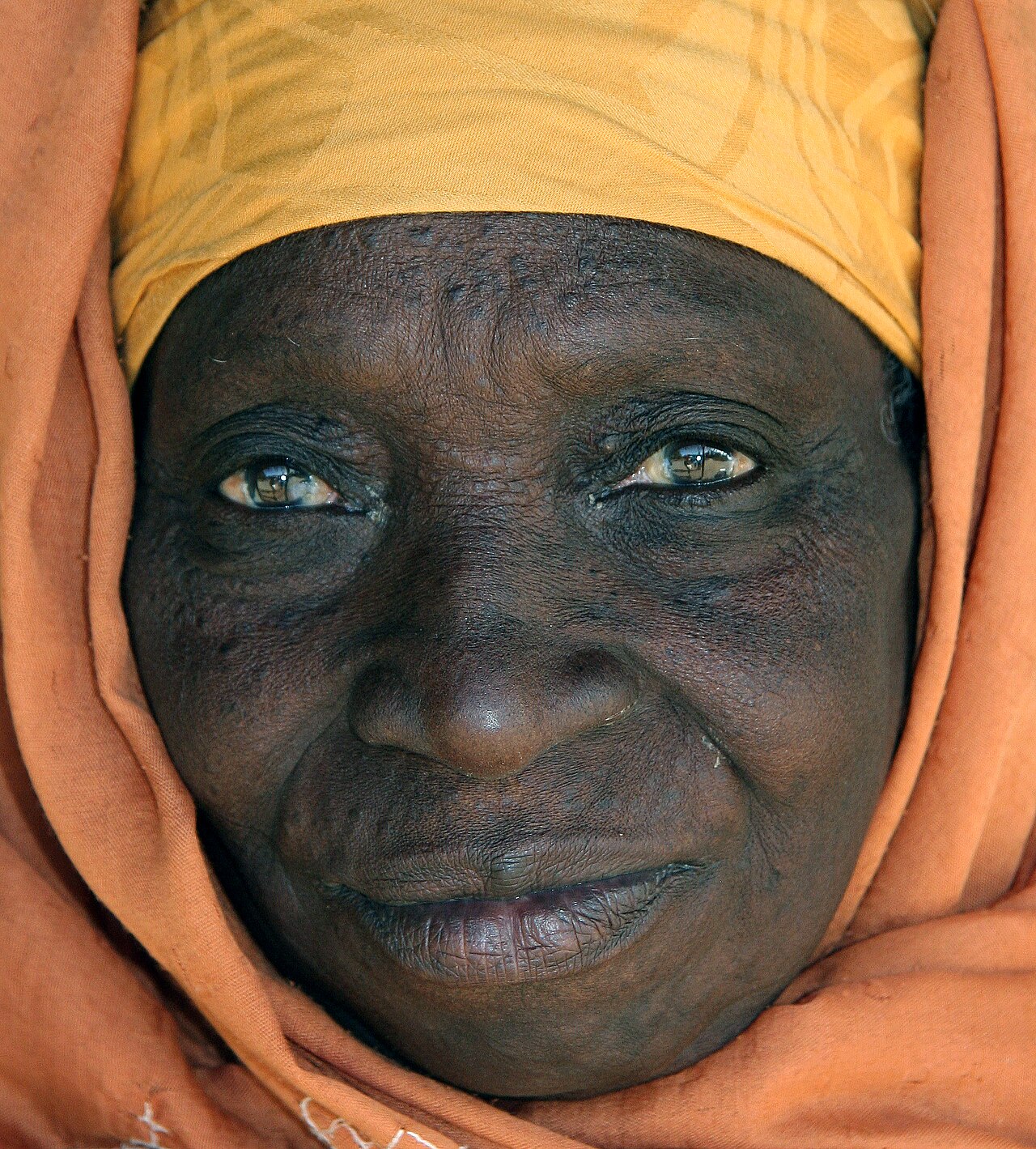
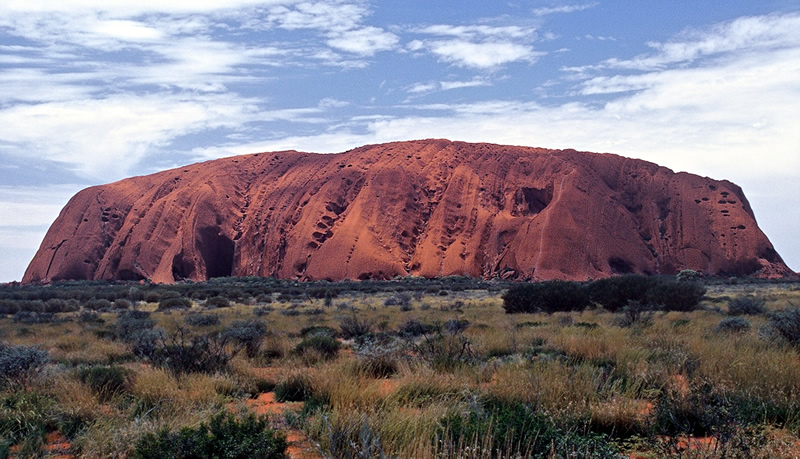
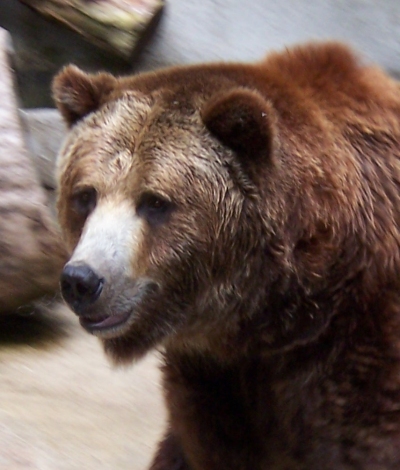
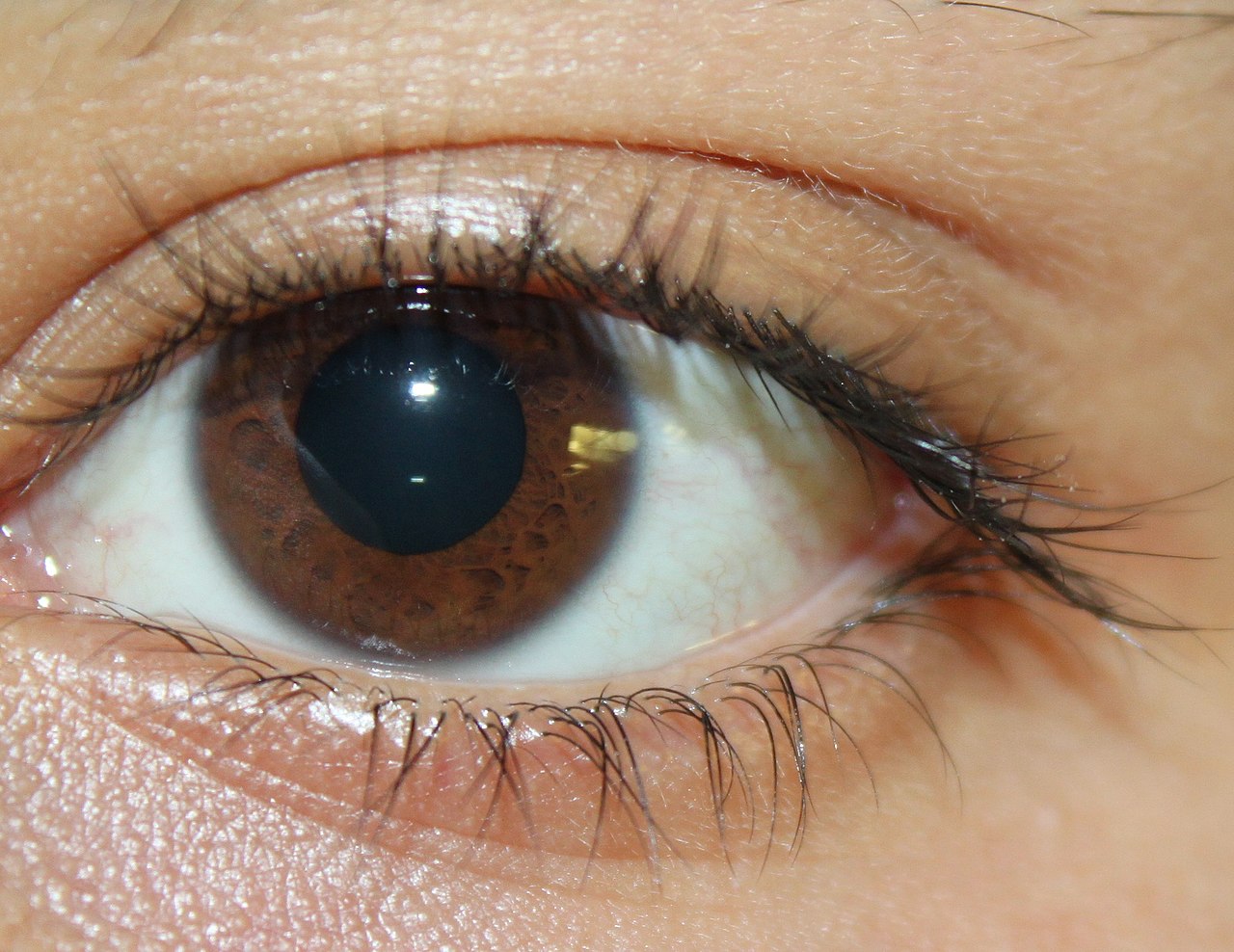
Brown appears widely in wood, soil, animal fur, human hair and eyes, coffee, chocolate, and leather. Designers and manufacturers exploit its associations with warmth, stability, and naturalness in furniture, packaging, and branding. In interior design and fashion, brown can convey comfort and tradition but can also be used as a neutral backdrop to highlight brighter colors.
History, symbolism, and distinctions
The English word "brown" derives from Old English terms for dark or brownish hair and skin. Culturally, brown often symbolizes earthiness, reliability, and wholesomeness; in other contexts it may suggest plainness or austerity. Brown differs from dark orange or deep red by its lowered brightness and desaturated quality; it can range from cool, grayish browns to rich, reddish-browns depending on the pigments and light.
Notable facts
- Ancient humans used brown ochres in cave paintings and body decoration.
- Artists alter brown's character by adding small amounts of other colors to warm or cool the tone.
- Brown functions as both a stand-alone color and a crucial neutral in palettes across craft, industry, and digital media.
Related articles
Author
AlegsaOnline.com Brown (color): characteristics, pigments, meaning, and uses Leandro Alegsa
URL: https://en.alegsaonline.com/art/14794