
Lime (color)
Lime is a bright yellow-green hue named for the citrus fruit. It sits between chartreuse and yellow, appears in nature and design, and the CSS name maps to pure green in RGB.
Overview
Lime is a vivid, yellow-tinged green commonly described as a bright or zesty hue. It occupies the area between chartreuse and true yellow on the color wheel, producing a lively, high-energy impression. Writers and designers often call it simply "lime" or "lime green"; both names evoke the citrus fruit that supplies the shade's familiar association.
Image gallery
10 Images



Characteristics
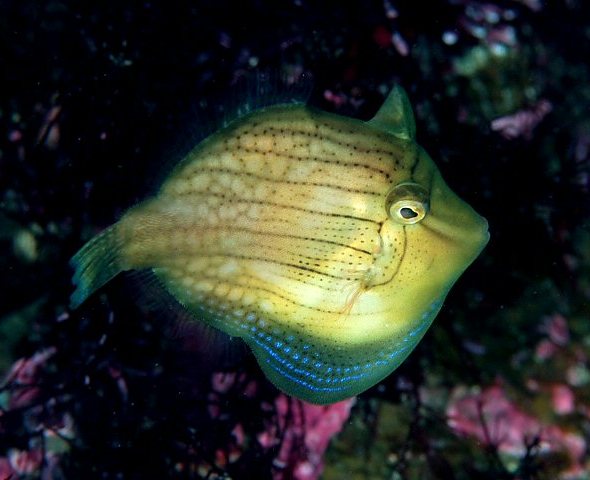
The color is perceived as a green with a strong yellow bias, sometimes labeled a yellow-green. In practice there are many variants: deeper, more muted tones that approach olive, and brighter, almost fluorescent versions used for high visibility. Natural references include the outer skin of a lime and the paler, slightly translucent pulp inside the fruit.
History and naming
The color name comes directly from the citrus fruit and entered common English usage in the late 19th and early 20th centuries; one early printed reference dates to around 1905 in English. Over time the name broadened from describing the fruit's outer color to a general category in fashion, textiles and pigments.
Digital and technical notes
On digital displays the term "lime" has a particular technical meaning: the CSS and X11 web color called "lime" corresponds to a full-intensity green channel on an RGB screen (often represented as pure green in hex notation). This can cause confusion because the perceived, physical lime hue in nature is usually more yellowish than that pure digital green.
Uses and examples
- Design and branding: used to suggest freshness, vitality and eco-friendly products.
- Safety and signage: bright lime variants provide high visibility for clothing and equipment.
- Food and beverages: packaging, labels and imagery for citrus-flavored items frequently use lime tones.
- Fashion and décor: used as an accent to add brightness or energetic contrast.
Distinctions and notable facts
Although often grouped with chartreuse, neon green and acid green, "lime" specifically implies a yellow-leaning green tied to the citrus reference. In digital contexts, check whether a style guide or stylesheet uses the CSS keyword "lime" (pure RGB green) or a custom hex value to represent the more yellowish, natural lime tone designers usually expect.
Questions and answers
Q: What is lime in terms of color?
A: Lime is a yellowish green color.
Q: What colors is lime situated between on the color wheel?
A: Lime is situated halfway between chartreuse green and yellow on the color wheel.
Q: Where did the name lime for the color come from?
A: The color lime is named after the fruit, lime.
Q: What is the official web color named lime on an RGB display?
A: The official web color named lime actually corresponds to pure green on an RGB display.
Q: What does the color lime green represent?
A: Lime green is the color of the outer skin of a lime.
Q: What colors are associated with limeade?
A: Lime pulp is the color of the inside of a lime and of limeade, a fruit drink that is made from limes.
Q: When was the first recorded use of lime as a color name in English?
A: The first recorded use of lime as a color name in English was in 1905.
Related articles
Author
AlegsaOnline.com Lime (color) Leandro Alegsa
URL: https://en.alegsaonline.com/art/58071
Sources
- dowhatnow.typepad.com : Lime colored limeade drinks from the cover of a 1975 cookbook: