
White: color, light, perception, and practical uses
White occurs when visible light contains a broad mixture of wavelengths or when a surface reflects most visible light; it has distinct physical, cultural, and practical roles.
White is the visual impression produced when the eye receives a mix of visible wavelengths that together appear uniformly bright, or when a surface reflects most incoming light across the visible range. In optics this condition is commonly called white light, an effect that can be produced by combining the component hues of the visible spectrum.
Image gallery
10 Images

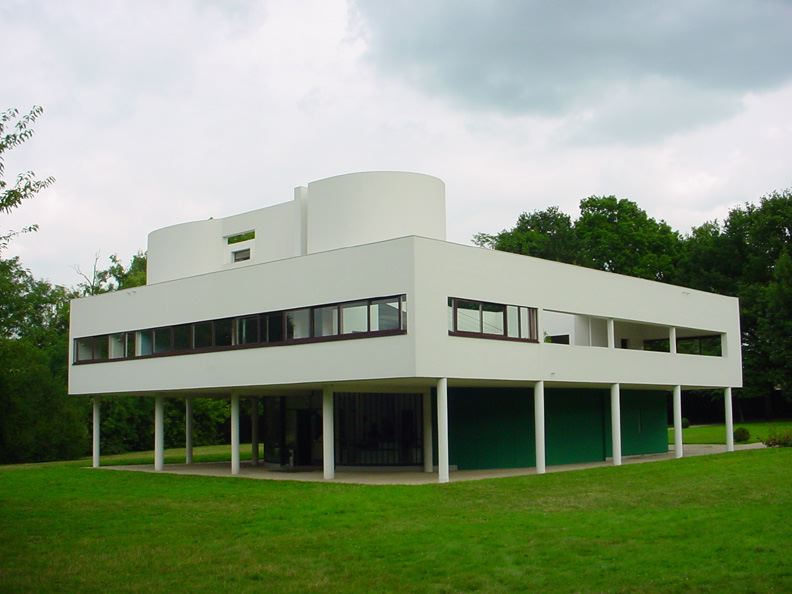




Physical basis and perception
Perception of white depends on the distribution of wavelengths and on the observer's adaptation. In additive color mixing (light sources) different colored lights combine to make hues including white. The visible spectrum traditionally includes red, orange, yellow, green, blue, indigo, and violet, and various mixes of these can produce white light. For pigments and materials, white results when a surface reflects most wavelengths rather than absorbing them.
Characteristics and distinctions
- White light: composed of many wavelengths; often described as neutral or achromatic.
- White pigment: a material that scatters or reflects light efficiently; modern paints commonly use materials like titanium dioxide.
- Printing and screens: printers produce white by leaving the paper unprinted; displays create white by combining red, green and blue pixels.
History, uses and symbolism
White pigments and dyes have been used throughout history in art, textiles and architecture. Historically notable white pigments include lead-based whites; more recently safer compounds replaced them. White has practical uses for visibility (signage, road markings), hygiene (lab coats, clinical spaces), and design (minimalist interiors, contrast). It also carries cultural meanings—purity, surrender, or mourning in different traditions.
Understanding white requires both physical and perceptual contexts: the same pattern of reflected or emitted light can appear white under one condition and not under another, so light source, material properties and human vision all matter when describing or using white.
Questions and answers
Q: What is the color white?
A: White is the brightest color.
Q: How can white light be made?
A: White light can be made by putting all the other colors of light on the spectrum together.
Q: What are the other colors of light on the spectrum?
A: The other colors on the spectrum are red, orange, yellow, green, blue, indigo, and violet.
Q: Is white a primary or secondary color?
A: White is not considered a primary or secondary color, but rather a neutral color.
Q: How does the color white differ from black?
A: White reflects all colors of light while black absorbs all colors of light.
Q: What is the symbolic meaning of the color white?
A: The color white often represents purity, innocence, and cleanliness.
Q: Can white be created using paint or ink?
A: Yes, white can be created using paint or ink by mixing white pigment or ink with various amounts of other colors.
Related articles
Author
AlegsaOnline.com White: color, light, perception, and practical uses Leandro Alegsa
URL: https://en.alegsaonline.com/art/107865