
Black (color): light, pigment, symbolism, and uses
Black denotes absence or near-absence of visible light or, in materials, strong absorption across wavelengths. This article explains optical, pigment, artistic, heraldic and practical aspects of the color black.
Overview
Black is used in different senses depending on context. In optics and physics it commonly denotes the absence or near-absence of visible light reaching the eye; an idealized complete absorber is referred to as a blackbody. In material and artistic contexts, black describes surfaces or substances that absorb most visible wavelengths and reflect very little. These two perspectives — additive (light) and subtractive (material) — produce different behaviors and explanations for how black is formed and perceived.
Image gallery
10 Images





Optics and physical basis
An object appears black when it reflects little visible light or when emitted light across the visible spectrum is negligible. In physics, blackbody theory concerns ideal emitters and absorbers; everyday materials approximate black by absorbing much of incoming light. Perception of black also depends on surrounding illumination and contrast: a surface may look black in bright light if it reflects substantially less than adjacent surfaces.
Pigments, inks and printing
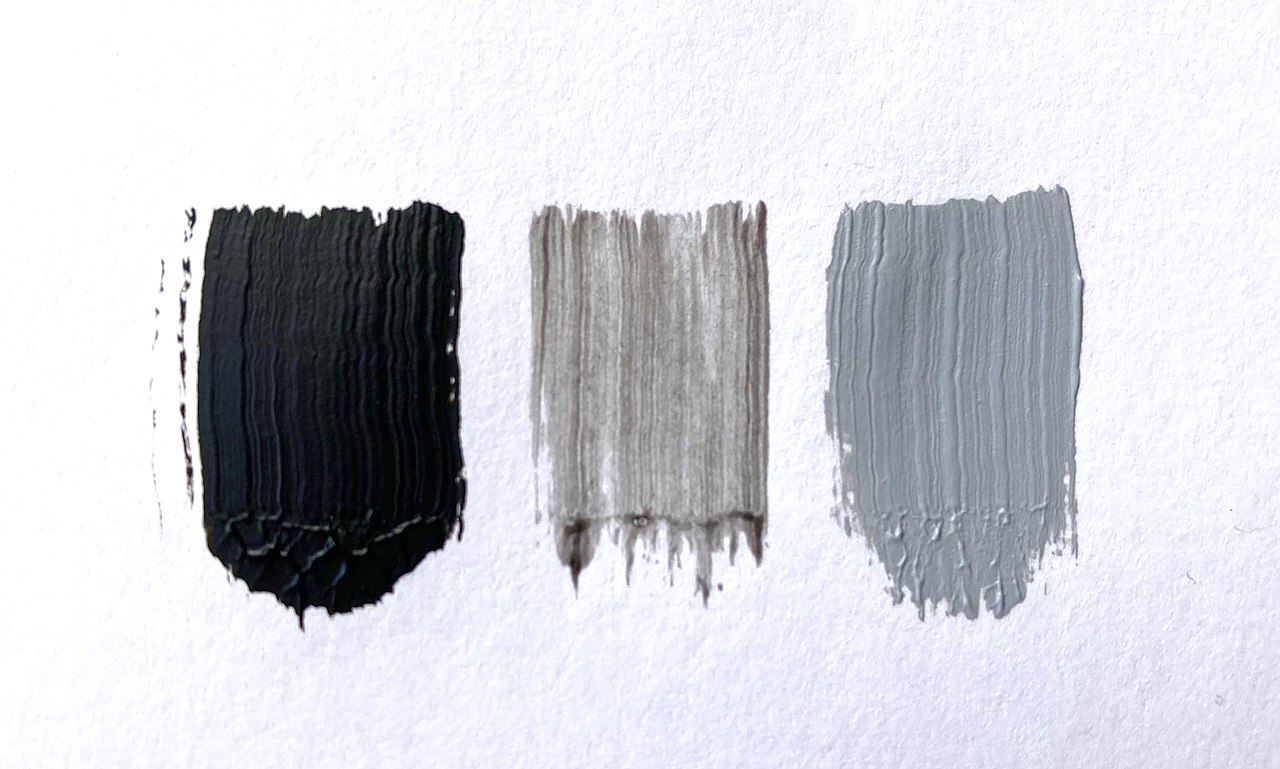
In painting and printmaking, black pigments and inks are formulated to provide deep, neutral tones or specific warm or cool undertones. Traditional artists' blacks include carbon-based blacks such as lamp black and bone or ivory blacks derived from charred organic matter, while modern pigments include engineered carbon blacks and iron oxides. In printing, black is often a separate key ink (K) in the CMYK process, used to provide neutral darks and text sharpness. For practical guidance on artists' materials see painting and technical information on black pigments at black pigment.
Artistic techniques and design
Artists and designers use black for value contrast, to model form, and to create focal points. Different blacks can carry subtle color biases and may be chosen for their tinting strength, transparency or matte/gloss properties. In graphic design and typography, true black and near-blacks are selected for legibility, hierarchy and mood.
History, symbolism and heraldry
Black has varied symbolic meanings across cultures, commonly associated with formality, elegance, mourning, mystery, and authority, though meanings depend on context and period. In European heraldry the tincture black is called "sable" and is used with specific conventions on coats of arms; for heraldic practice see heraldry. Black is frequently contrasted with white in symbolic systems and technical explanations of color; comparative discussions are available via white.
Practical uses
- Fashion and interior design: used for contrast, simplicity and perceived sophistication.
- Industrial and scientific: absorptive blacks are applied in optical baffles, heat control and calibration targets.
- Printing and publishing: primary ink for text and deep tones.
- Visual arts: employed to create shadow, depth and compositional balance.
Related articles
Author
AlegsaOnline.com Black (color): light, pigment, symbolism, and uses Leandro Alegsa
URL: https://en.alegsaonline.com/art/11982