
Tan (color)
Tan is a pale brown color historically associated with tanned leather; used in design, fashion, and natural descriptions, it sits between beige and light brown with warm, yellowish undertones.
Tan is a light, warm shade of brown commonly described as a pale, yellowish-brown. It appears in nature (soil, dried grasses, animal fur) and is widely used in textiles, interior design, and graphic palettes for its neutral, unobtrusive quality. Some sources describe tan as a pale tone of brown or a muted orange with greenish undertones.
Image gallery
1 Image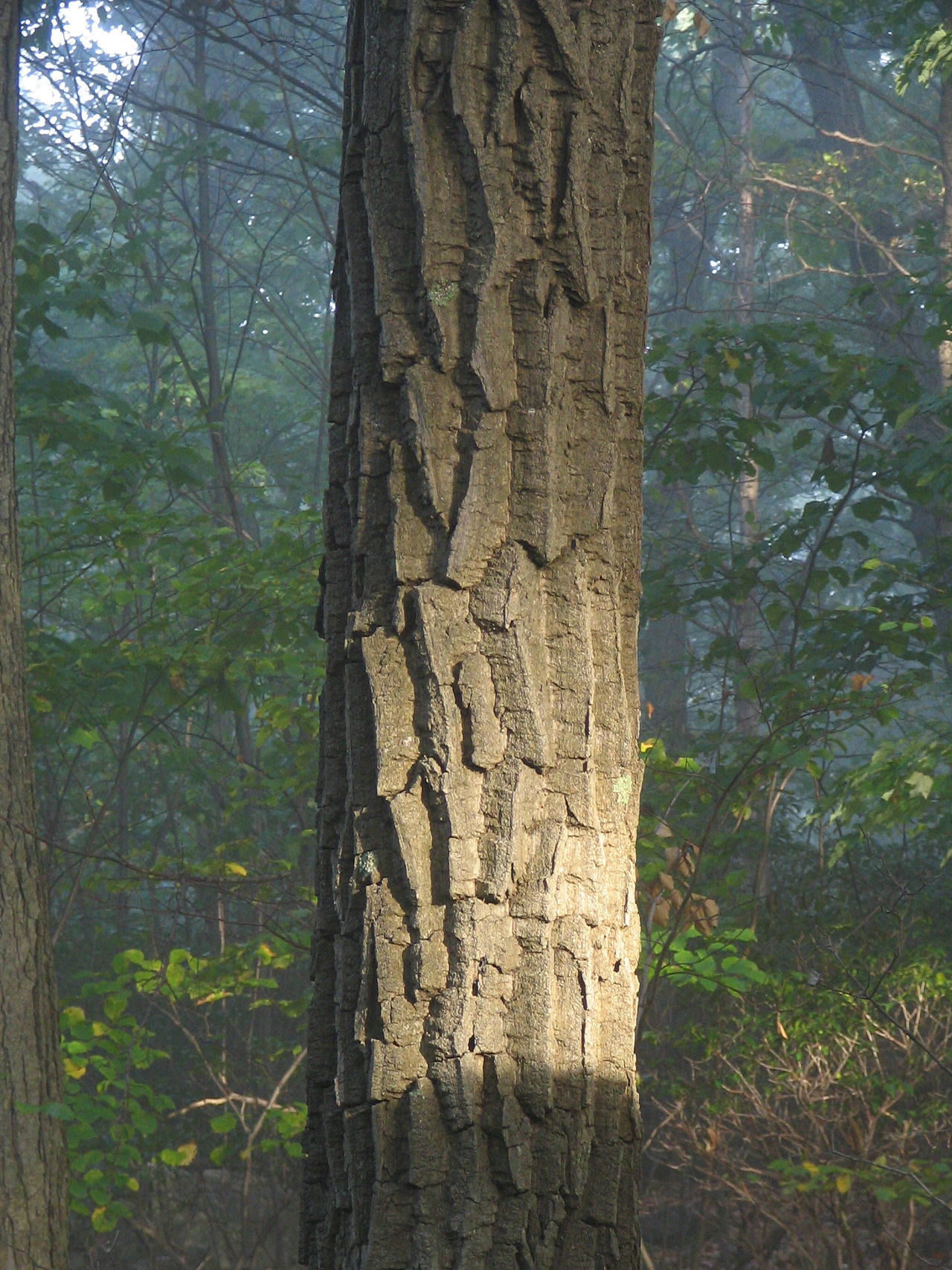
Characteristics
Tan is identified by its low saturation and moderate lightness, giving it a soft, muted appearance. Designers and manufacturers often choose tan when a calm, earthy backdrop or a conventional natural look is desired. Variations can lean more yellow, more gray, or slightly reddish depending on pigment mixtures.
- Visual feel: warm, neutral, unobtrusive.
- Common uses: upholstery, outerwear, military apparel, and digital palettes.
- Relation to other colors: between beige, light brown, and tan-like shades.
History and name
The English name "tan" has roots in the tanning industry. It derives from the substance used to tan hides; historically oak bark and other tannin-rich materials produced a characteristic leather color. The word was recorded in English by the late 16th century, with a documented use around 1590. The tanning process and the materials associated with it influenced the adoption of the term for the color.
Because of that origin, the word often appears alongside references to oak and bark, and to the craft of tanning and leather. For definitions and color-family notes see color reference, and for historical citations see early usage.
Uses and notable facts
Tan is prized for versatility: it pairs well with both bold and muted colors, masks wear in fabrics, and conveys a rustic or conservative aesthetic. In nature and language it often denotes dryness or maturity (for example, dried grasses or aged leather). Different industries may standardize specific tan shades for consistency, but everyday usage remains broad and flexible.
Questions and answers
Q: What is tan?
A: Tan is a color that is a pale tone of brown or a green tone of orange.
Q: When was the first time tan was used as a color name in English?
A: The first written use of tan as a color name in English was in the year 1590.
Q: What is the origin of the name tan?
A: The name comes from tannum, which refers to oak bark used in the tanning of leather.
Q: What is the association of tan with the tanning of leather?
A: Tan is associated with the tanning of leather because the word's origin comes from tannum, which was a necessary element in the tanning process.
Q: What are some other words for tan?
A: Other words for tan include beige, khaki, and sand.
Q: What is the difference between tan and brown?
A: Tan is a lighter and paler version of brown, while brown is a darker and richer color.
Q: Can tan be a green color?
A: Yes, tan can also be a green tone of orange, meaning that it has a greenish tint to it.
Related articles
Author
AlegsaOnline.com Tan (color) Leandro Alegsa
URL: https://en.alegsaonline.com/art/96236
Sources
- etymonline.com : "tan"
- csor-rosc.forces.gc.ca : csor-rosc.forces.gc.ca