
Silver (color)
Silver is a metallic gray-white color associated with the metal silver. It denotes sheen, neutrality, and prestige in design, and appears in heraldry, fashion, industry, and digital color systems.
Overview
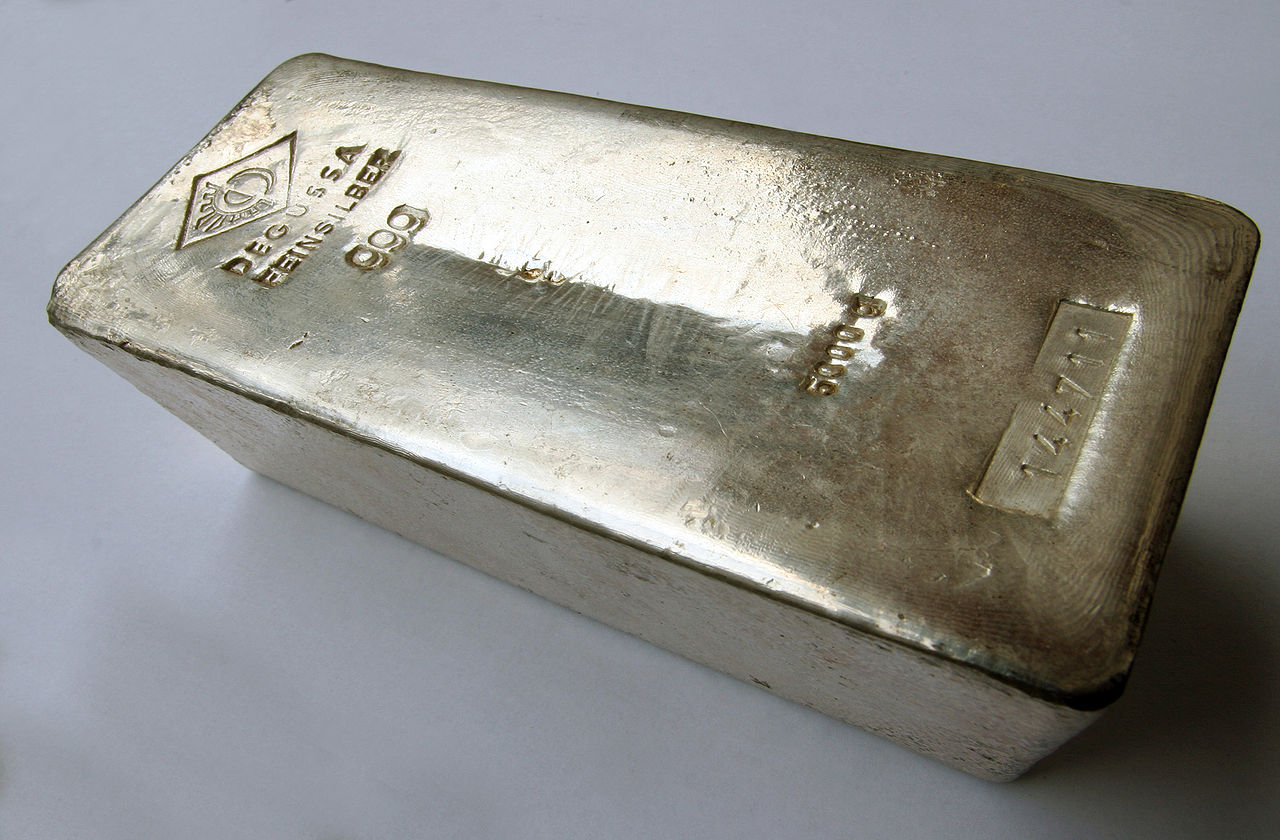
Silver describes the grayish-white, metallic appearance associated with the chemical element silver. As a color term it evokes a reflective, lustrous quality rather than a purely flat gray. In ordinary language silver is often treated as a distinct color category, separate from plain gray or white.
Image gallery
3 Images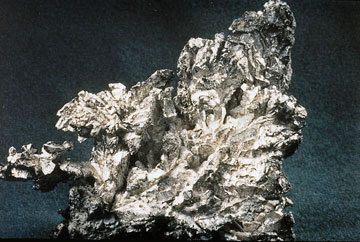

Characteristics
When represented without metallic effects, silver is usually a light to medium gray with a cool tint. Digital and printed renditions attempt to mimic metallic sheen through gradients and highlights; a common web color name for a neutral non-metallic approximation is silver (hex #C0C0C0) in many style systems. True metallic appearance depends on texture and reflectivity rather than a single pigment.
History and terminology
The English name for the hue appears in records as early as 1481. In heraldry the metal is called argent, a term that denotes silver or white fields on coats of arms. Over time silver became associated with modernity and technology as well as with traditional uses like coins and ornamentation.
Uses and symbolism
Silver is widely used in design, fashion, automotive finishes, and awards (medals and trophies) to signal elegance, value, or futurism. It commonly appears in consumer electronics and jewelry to suggest precision and cleanliness. Designers balance silver with other colors to convey coolness, neutrality, or high-tech appeal.
Distinctions and common variants
- Silver vs. gray: silver implies a metallic shine; gray is matte.
- Silver vs. chrome or aluminum: these names often describe specific reflective qualities or materials.
- Variants include light silver, dark silver, and brushed or satin silver finishes used across industries.
For further technical or cultural details see sources on the metal itself and conventional color standards: color systems, design guides, and historical references on terminology.
Related articles
Author
AlegsaOnline.com Silver (color) Leandro Alegsa
URL: https://en.alegsaonline.com/art/90456