
Beige (color): pale brown and neutral tones
Beige is a light, neutral color derived from natural wool and cloth; it spans pale yellows to light browns and appears widely in design, fashion, and cultural symbolism as calm and unobtrusive.
Overview
Beige is a light, neutral color that sits between pale yellow and soft brown. Commonly described as a very pale brown, it is often chosen for backgrounds, textiles, and finishes when a subdued, warm neutrality is desired. The color conveys calmness and a low-contrast backdrop that complements stronger colors.
Image gallery
4 Images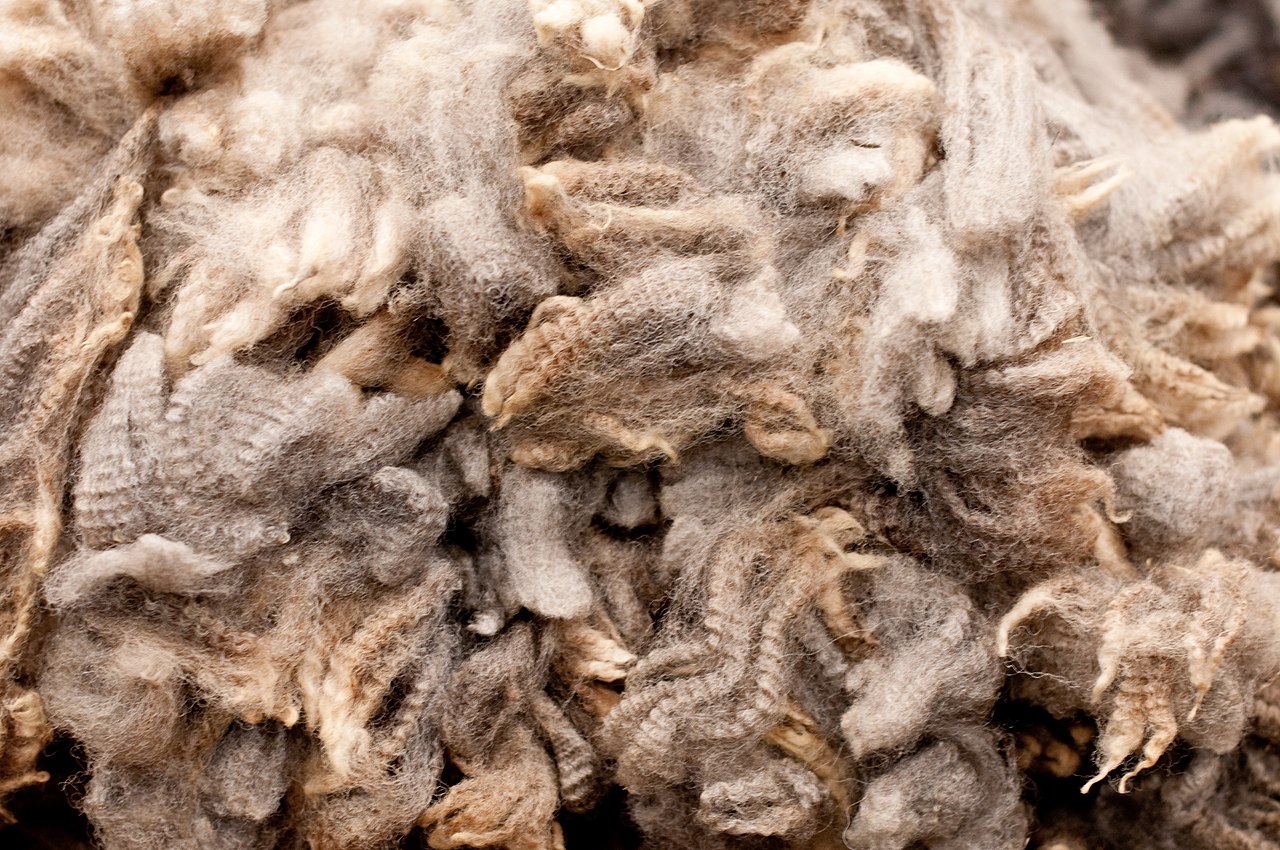



Characteristics
As a family of tints rather than a single precise hue, beige may carry subtle undertones of yellow, gray or pink depending on the mixture and lighting. It is prized for its versatility: it can read warmer or cooler depending on adjacent colors, and it typically reflects a low level of saturation with moderate lightness.
History and name
The term comes from the French word for natural woolen cloth and originally referred to the undyed fabric itself. Early uses in English date to the late 19th century, with the first recorded color-name usage around 1887. By the early 20th century the label expanded to include a wider array of light, neutral tints; garments and upholstery in the natural cloth were commonly referred to as beige cloth.
Uses and examples
Beige is widely used in interior design, fashion, product finishes and graphic design because it provides a neutral canvas that supports other colors. Typical applications include wall paint, upholstery, suits and coats, footwear, and packaging. Designers often combine beige with green, navy, or charcoal to create restrained palettes.
Variations and distinctions
There are many near-relatives of beige with overlapping appearances. Names such as tan, ecru, khaki and taupe describe related but distinct tints; some are more brown, others more gray or yellow. In the 1920s the meaning of beige broadened to cover a wider range of pale brown shades, which is why usage can vary by region and industry.
Perception and cultural notes
Psychologically, beige is often associated with neutrality, simplicity and conservatism. It can be perceived as calming and unobtrusive, but in some contexts it is criticized as bland when overused. Its enduring popularity comes from practical advantages: it hides mild wear, coordinates easily and tends to remain timeless in many design schemes.
Questions and answers
Q: What is beige?
A: Beige is a very pale brown color.
Q: Where does the name beige come from?
A: The name beige comes from beige cloth, a woolen fabric left in its natural color.
Q: Why was beige chosen for a range of light tints of yellow?
A: Beige was chosen for a range of light tints of yellow for their neutral or pale warm colored appearance.
Q: When did the meaning of the term beige expand?
A: In the 1920s, the meaning of the term beige expanded to the point where it is now also used for not only for pale yellows but also for a wide range of pale brown shades.
Q: When was the first recorded use of beige as a color name in English?
A: The first recorded use of beige as a color name in English was in 1887.
Q: What does the color beige mean?
A: The color beige means neutral, calm, and relaxing.
Q: What is the origin of the color beige?
A: The name beige comes from beige cloth, a woolen fabric left in its natural color.
Author
AlegsaOnline.com Beige (color): pale brown and neutral tones Leandro Alegsa
URL: https://en.alegsaonline.com/art/10147