
Citrus (genus of fruit-bearing trees and shrubs)
Citrus is a group of flowering trees and shrubs in the family Rutaceae that produce widely cultivated fruits such as oranges, lemons, limes, grapefruits and kumquats.
Overview
Citrus is a well-known genus of flowering plants that includes many familiar fruit-bearing trees and shrubs. Members of this group belong to the family Rutaceae and are grown worldwide for their aromatic rinds, juicy segments and acidic juices. The plants produce fruits commonly called citrus fruits, prized in cooking, beverages, perfumery and traditional medicine.
Image gallery
10 Images

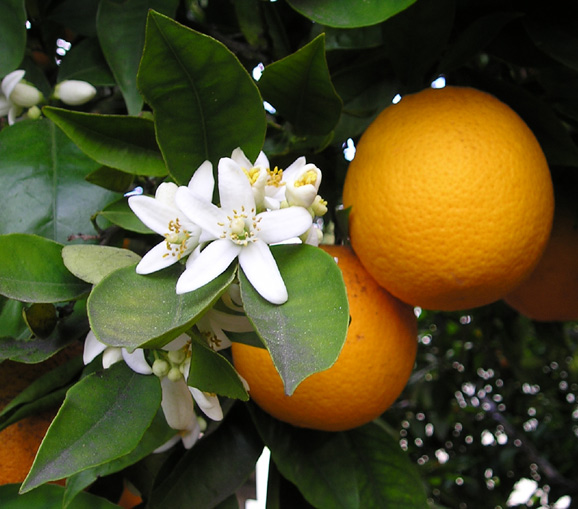


Botanical characteristics
Citrus plants typically have glossy evergreen leaves, fragrant flowers and fleshy fruits with a leathery rind. The fruit structure includes an outer zest, a white pith and internal segments that contain juice vesicles. Many cultivated types are the result of centuries of selection and hybridization, so the group includes pure wild species and numerous hybrids and cultivars. Rootstock selection and grafting are important in commercial production to control size, disease resistance and soil adaptation.
History and natural range
The genus is native to parts of Asia and nearby regions, with ancestral centers in South Asia, East Asia and Southeast Asia, extending into island groups such as Melanesia and into Australia. Human cultivation of citrus dates back thousands of years in these areas. Through maritime migrations and trade, cultivated citrus spread to Micronesia and Polynesia during the Austronesian expansion, and later reached the Middle East, the Mediterranean region and Europe, where it became integrated into agriculture and cuisine.
Major fruits and uses
- Oranges — widely eaten fresh and used for juice.
- Lemons — valued for acidic juice and zest in cooking.
- Grapefruits — larger, tangy fruits often consumed raw or as juice.
- Citrons — thick-rinded fruits used for candied peel and ritual purposes.
- Pomelos — large ancestral pomelo-like fruits important in breeding.
- Kumquats — small fruits eaten whole, sometimes treated separately in horticulture.
Citrus products include fresh fruit, juices, marmalades, essential oils (from zest), candied peel and flavoring extracts. The fruits are commonly noted for their vitamin C content and aromatic compounds that are important to food and fragrance industries.
Cultivation, challenges and significance
Citrus is grown commercially in subtropical and tropical climates around the world. Production relies on varieties adapted to local soils and climates, propagation by grafting, and careful pest and disease management. Modern producers face challenges from pathogens and environmental pressures that have focused research on breeding, sanitation and quarantine. Beyond economics, citrus fruits hold cultural and culinary importance in many regions and have shaped trade routes, agricultural practices and cuisines for centuries.
For more detailed botanical descriptions, cultivation advice and historical accounts see resources on classification (genus overview), plant form (trees, shrubs), family traits (Rutaceae) and regional histories in South Asia, East Asia, Southeast Asia, Melanesia, Australia, Micronesia, Polynesia, the Middle East and the Mediterranean. Specific fruit types and culinary uses include oranges, lemons, grapefruits, citrons, pomelos and kumquats. Further reading and practical guides are available through botanical and agricultural links.
Related articles
Author
AlegsaOnline.com Citrus (genus of fruit-bearing trees and shrubs) Leandro Alegsa
URL: https://en.alegsaonline.com/art/20530