
Flowering plant (Angiosperm): overview, structure, evolution and importance
Angiosperms or flowering plants are a diverse group of seed plants distinguished by flowers and fruit. This article covers their structure, reproduction, evolution, ecological roles and differences from gymnosperms.
Overview
Flowering plants, also called angiosperms or Magnoliophyta, form the largest and most varied group of terrestrial plants. They are seed-producing vascular plants in which the seed develops inside a protective structure derived from the ovary. Angiosperms occur in nearly every habitat on Earth and range from small herbs to large trees. They are one of the two living lineages of seed plants, alongside the gymnosperms, and together those groups are commonly referred to as seed plants.
Image gallery
10 Images


Structure and reproduction
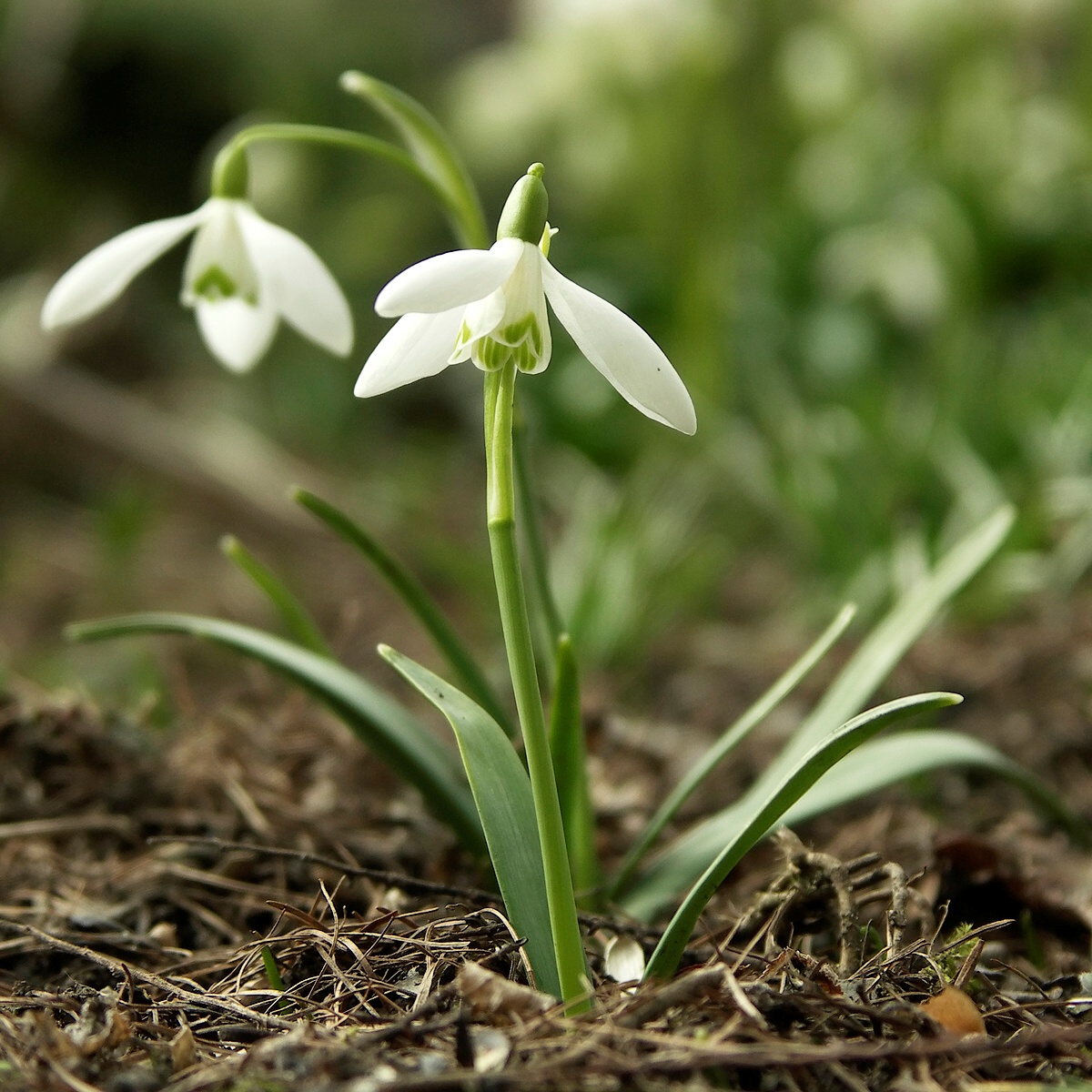
The defining features of angiosperms are their flowers and the development of seeds within an enclosed ovary. A typical flower contains reproductive organs: stamens (male) that produce pollen and carpels (female) that contain ovules. After pollination and fertilization, the ovules develop into seeds and the ovary usually becomes a fruit, which aids dispersal. Angiosperms display a range of reproductive strategies, including self-pollination and diverse mechanisms for animal, wind, or water pollination. Many also show a unique process called double fertilization that forms both an embryo and a nutrient tissue to feed it.
Characteristics and common parts
- Flower parts: petals, sepals, stamens, carpels.
- Fruit: mature ovary enclosing seeds; forms in many shapes and textures.
- Leaves and vascular system: varied leaf forms and efficient water transport through xylem and phloem.
- Enclosed ovules: ovules are protected inside the carpel (enclosed ovules), a key distinction from gymnosperms.
Evolution and history
Angiosperms diversified rapidly after they first appeared in the fossil record, undergoing major radiations that transformed terrestrial ecosystems. Their evolution is closely linked with that of pollinators such as insects and birds; coevolutionary relationships led to a great variety of floral forms and pollination syndromes. Fossil pollen, leaves and flowers document the rise of modern groups and their spread into forests, grasslands and wetlands.
Ecological and economic importance
Flowering plants are central to ecosystems and human life. They provide the bulk of the world's food crops, feed herbivores, form habitats, stabilize soils and influence climate through carbon exchange. Economically, angiosperms supply timber, fibers, medicines, and ornamentals. Their fruits and seeds are crucial for human nutrition and agriculture, while their flowers support pollinators that sustain biodiversity and crop production.
Distinctions and notable facts
Compared with gymnosperms, angiosperms enclose their seeds in an ovary that usually develops into a fruit, and they produce flowers rather than cones. This combination of traits—flowers, enclosed ovules, and often specialized pollination and dispersal structures—helped angiosperms become ecologically dominant in many regions. Their diversity and complexity make them an enduring subject of study in botany, ecology and agriculture.
Related articles
Author
AlegsaOnline.com Flowering plant (Angiosperm): overview, structure, evolution and importance Leandro Alegsa
URL: https://en.alegsaonline.com/art/35247
Sources
- nature.com : "Shrub genome reveals secrets of flower power"
- doi.org : 10.1038/nature.2013.14426
- sciencemag.org : "Genomic Clues to the Ancestral Flowering Plant"
- doi.org : 10.1126/science.1248709
- eurekalert.org : South Pacific plant may be missing link in evolution of flowering plants
- doi.org : 10.1126/science.1069439
- pubmed.ncbi.nlm.nih.gov : 11988572
- sciencemag.org : sciencemag.org/cgi/content/abstract/296/5569/899?ck=nck&siteid=sci&ijkey=8dZ6zTqF606ps&ke…
- doi.org : An update of the Angiosperm Phylogeny Group classification for the orders and families of flowering plants: APG II - 2003 - Botanical Journal of the Linnean Society - Wiley Online Library
- mobot.org : Angiosperm Phylogeny Website · webcitation.org
- species.wikimedia.org : Angiosperms