
Clematis: climbing flowering plants prized in gardens worldwide
Clematis is a genus of climbing and scrambling plants valued for diverse, showy flowers. This article summarizes appearance, distribution, cultivation, pruning groups, propagation and common pests and uses in gardens.
Overview
Clematis is a diverse genus of mainly climbing and scrambling plants grown worldwide for their showy flowers and long season of interest. Gardeners prize clematis for vertical accents on trellises, walls and fences and for container culture. Wild species range from low-growing alpines to vigorous vines that can climb into trees. Cultivated forms include species, hybrids and selected cultivars developed through breeding in Europe and East Asia; many garden selections trace part of their history to breeders in Japan and elsewhere.
Image gallery
10 Images



Appearance and growth habit
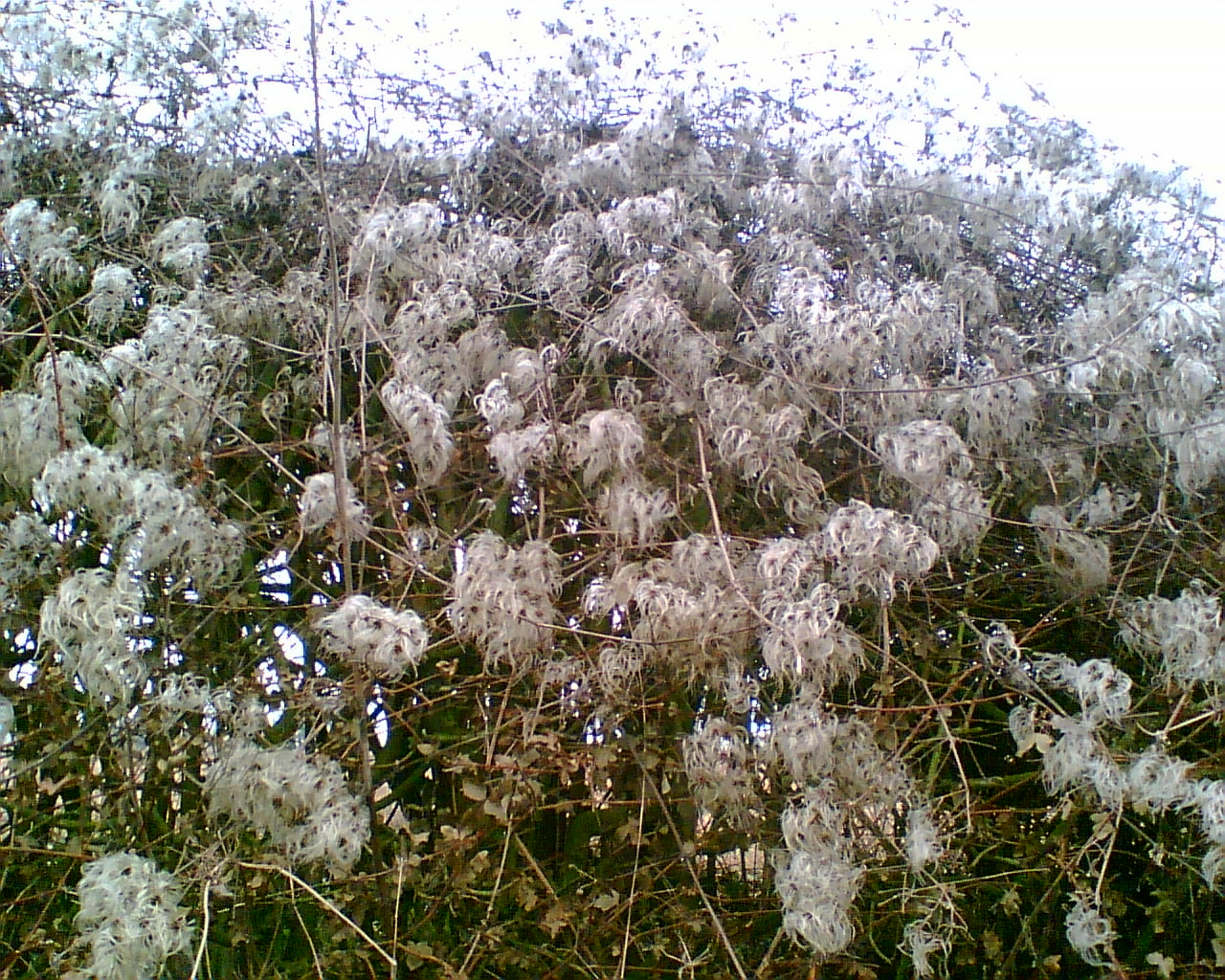
Clematis species display a wide variety of flower shapes and sizes, from small, bell-shaped blooms to large, ruffled or star-like flowers in many colors. Leaves may be simple or pinnate and plants climb by twining leaf petioles or stems around supports rather than using true tendrils. Some clematis are herbaceous and die back each year, while others are woody and retain stems through winter in mild climates.
Distribution and ecology
Wild clematis are native mainly to temperate regions of the Northern Hemisphere and to montane areas in some tropical zones. They occupy woodland margins, hedgerows, riverbanks and mountain slopes. In gardens, clematis provide nectar and pollen to bees, butterflies and other pollinators, and their dense growth can offer shelter for small birds.
Cultivation and site selection
Cultivated clematis generally prefer well-drained, fertile soil with their roots kept cool and shaded while the foliage and flowers receive sun. Many gardeners achieve this by planting companion plants at the base, using mulch, or situating the crown slightly deeper when planting. Water regularly during dry spells and avoid very rich, waterlogged soils. For regional advice on soil and climate, consult local resources such as regional care and general horticultural guidance at horticultural advice.
Pruning groups and maintenance
Clematis are commonly classified into three pruning groups to guide timing and severity of pruning. These broad groups help protect flowering potential and control size:
- Group 1: early-flowering types that bloom on previous season's wood and usually need only light pruning after flowering to shape.
- Group 2: large-flowered or repeat-flowering hybrids that produce flowers on both old and new wood; these benefit from gentle pruning in spring and deadheading after a first flush.
- Group 3: late-flowering species and vigorous hybrids that flower on current-season growth; they can be pruned hard in late winter or early spring to encourage fresh shoots.
Correct selection of a type suited to the site makes pruning easier and improves flowering reliability. For cultivar-specific recommendations see specialist lists and nursery catalogues: cultivar lists and nursery information.
Propagation and selection
Propagation methods include softwood or semi-ripe cuttings, layering, grafting and seed for species reproduction. Many garden hybrids are propagated vegetatively to maintain desired flower traits. When choosing plants, consider mature size, flowering time, color, fragrance and whether the cultivar will suit your local climate; trade and conservation resources or taxonomic references at taxonomic resources and botanical references can help with identification.
Pests, diseases and common problems
Clematis are generally robust but can be affected by problems such as clematis wilt (a stem-rotting disease in some varieties), powdery mildew, scale insect and slugs. Good air circulation, healthy soil, prompt removal of diseased stems and choosing resistant cultivars where available reduce risk. Regular inspection and regional advice are recommended for diagnosis and treatment.
Uses and garden value
Besides ornament, clematis are useful for screening, adding seasonal vertical interest and combining with roses and other climbers. Their long flowering season and diverse forms make them versatile plants for many garden styles, from cottage beds to formal structures. For practical lists of garden-worthy cultivars and local suppliers, consult the horticultural and nursery resources linked above.
Related articles
Author
AlegsaOnline.com Clematis: climbing flowering plants prized in gardens worldwide Leandro Alegsa
URL: https://en.alegsaonline.com/art/20912
Sources
- ars-grin.gov : "Genus: Clematis L."