
Coconut palm (Cocos nucifera): description, uses and cultural importance
The coconut palm (Cocos nucifera) is a widely cultivated tropical palm valued for its fruit, fiber, oil and timber. This article reviews its biology, distribution, products and cultural roles.
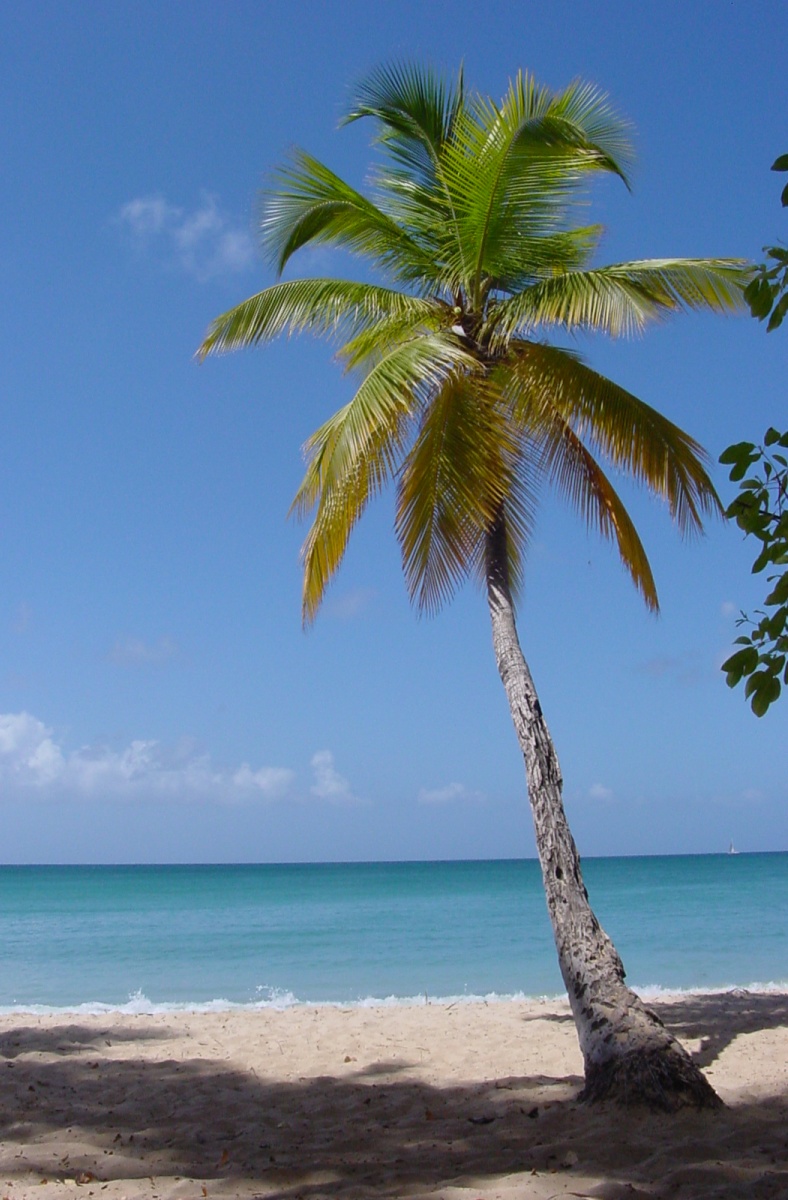
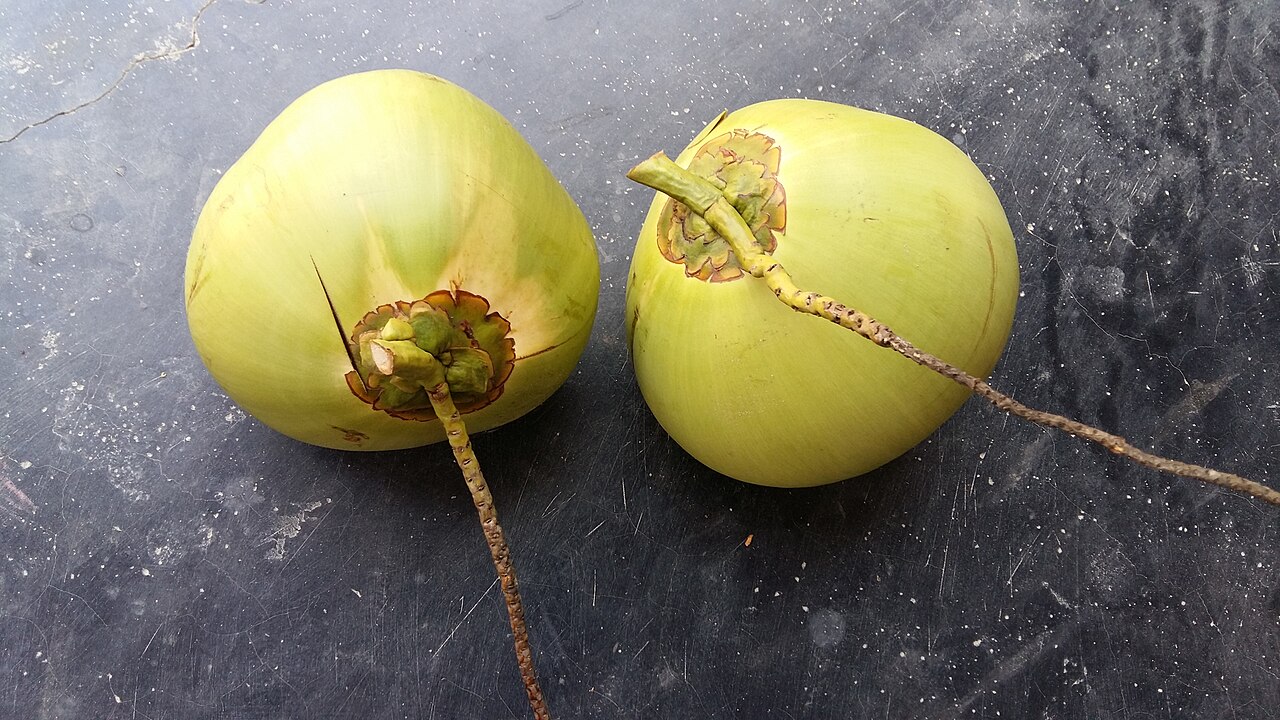
The coconut palm is a tall tropical palm tree species, Cocos nucifera, belonging to the family Arecaceae. Mature palms commonly reach up to about 30 m in height and bear a crown of pinnate leaves that can be 4–6 m long. The word "coconut" usually refers to the whole fruit produced by the palm: an outer husk, a hard shell and the interior seed containing the edible white meat and liquid.
Image gallery
10 Images






Botanical characteristics
Coconut palms have a single unbranched, columnar trunk and a terminal crown of large fronds. Flowers develop in long hanging inflorescences and are pollinated by wind and insects; fruits form from female flowers. The structure of the coconut classifies it as a fibrous drupe rather than a true botanical nut, a distinction sometimes noted with caution. Inside the shell the firm, white flesh (copra) surrounds a clear liquid commonly called coconut water.
Distribution and cultivation
Coconuts grow throughout warm coastal tropics and are particularly common along coastal areas of Southeast Asia and the Pacific. Significant cultivation and natural stands occur in countries such as India, Bangladesh and many island states. The palm tolerates saline soils and sea spray, which explains its frequent presence on beaches and in atoll communities. Farmers cultivate varieties adapted for tall-standing or dwarf, ornamental planting and manage palms for fruit, copra, and other products.
Major uses and products
Coconuts yield multiple useful commodities. The clear liquid is a refreshing drink; the flesh can be eaten raw or processed for cooking and dried copra. Coconut milk and cream are staples in many regional cuisines, and cooking uses extend from curries to sweets. Oil from the kernel is used for food, cosmetics and as a traditional hair oil. The fibrous husk (coir) is made into ropes and mats, shells are carved into utensils and crafts, and the timber and leaves serve building and thatching needs.
Cultural and economic importance
Beyond material uses, the coconut holds social and ceremonial roles. In parts of South Asia and the Indian Ocean, palm products figure in weddings, religious rites and festivals; communities in Sri Lanka maintain traditional uses of flowers and fronds. The tree is emblematic in places such as the Maldives, where it is recognized as a national tree and woven deeply into local identity. Economically, coconuts support coastal livelihoods through smallholder farms, processing industries and craft trades.
Notable distinctions and practical notes
Coconuts are resilient and versatile but not without challenges: palms can be affected by pests, disease and extreme weather. The common misnomer that a coconut is a nut overlooks its true classification as a drupe; this botanical point is important when considering allergen claims and dietary notes. Many uses—food, fiber, fuel and ornament—make the coconut palm one of the most multipurpose plants in tropical human landscapes.
Related articles
Author
AlegsaOnline.com Coconut palm (Cocos nucifera): description, uses and cultural importance Leandro Alegsa
URL: https://en.alegsaonline.com/art/21356