
Citron (Citrus medica): description, history, cultivation, and uses
Citron (Citrus medica) is a fragrant citrus with a thick rind valued for preserves, oils and ritual uses. Native to South and Southeast Asia, it has a long cultural and horticultural history.
The citron (Citrus medica) is a distinct species within the broader citrus group and is primarily grown for its aromatic peel rather than its interior pulp. As a fruit, it is notable for an unusually thick, aromatic rind and relatively little juicy segmental flesh. Citron trees are small to medium-sized and typically cultivated in warm temperate to subtropical climates. Unlike many citrus sold for fresh eating, the citron's culinary value is concentrated in its outer layers and in the oils those layers yield.
Image gallery
10 Images


Description and horticultural traits
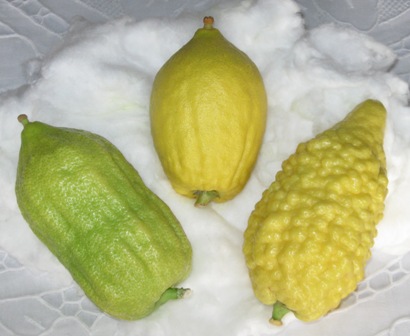
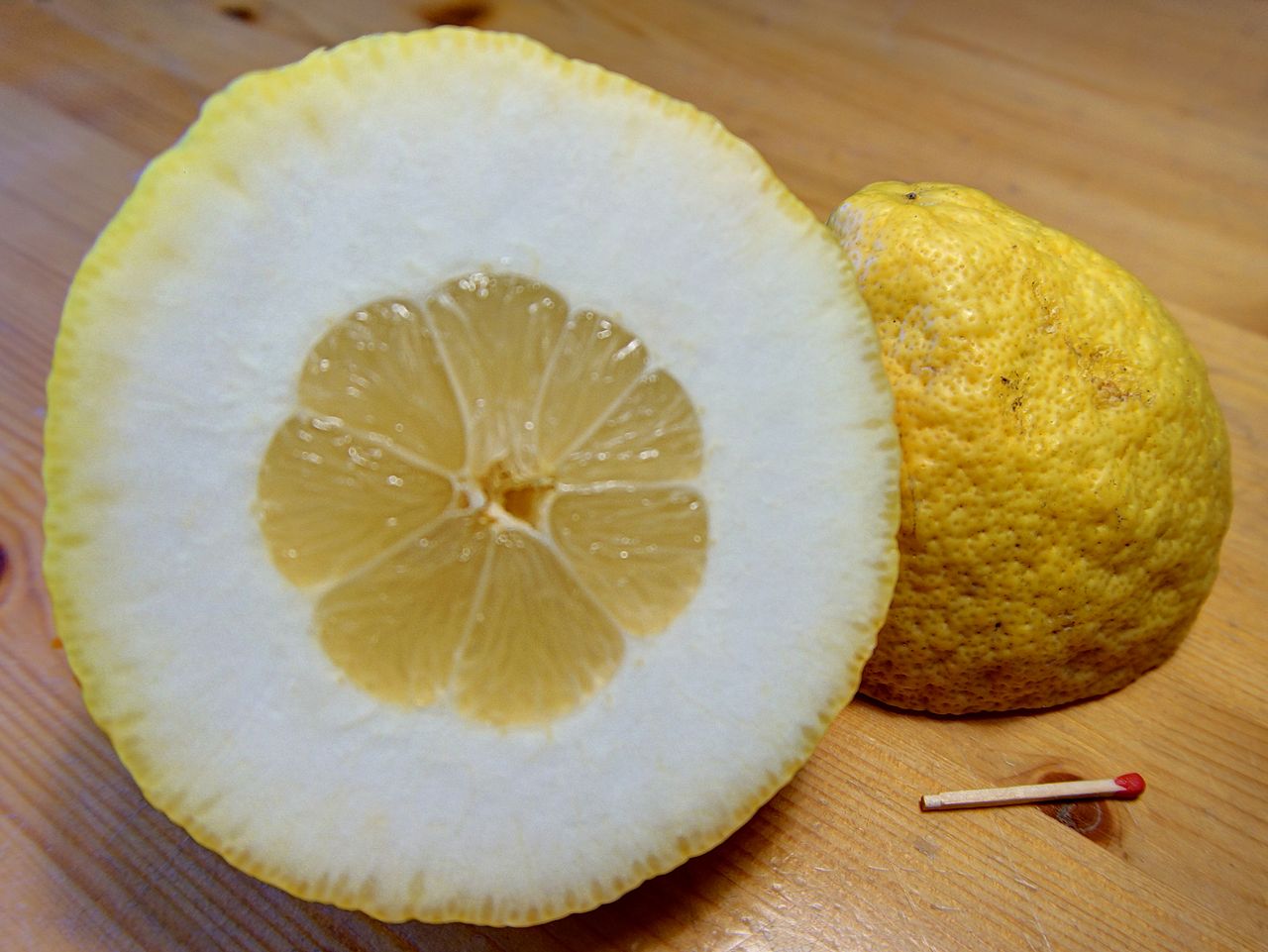
Citron trees have evergreen foliage and can reach around three metres in garden settings, though size varies with variety and pruning. The fruit itself varies in shape and may be oblong, lobed or pear-like. Many traditional varieties form an especially thick, bumpy rind that contains the fragrant oil glands prized by perfumers and candymakers. While citrons can grow large compared with ordinary lemons, most commercial interest focuses on rind weight and oil content rather than juice. The pale, spongy inner rind (albedo) is often used to make preserves and candied peel.
Origins, history and taxonomy
Wild and early cultivated forms of citron trace their origins to South and Southeast Asia, where ancient horticulture produced some of the foundational citrus types. Over millennia the citron spread westward and became established around the Mediterranean. It is cultivated today in localized regions such as Sicily, Morocco, Crete, Corsica and parts of the Caribbean including Puerto Rico. Classical authors wrote about the citron: Roman and Greek writers recorded its arrival and its esteemed status in antiquity.
Uses, products and cultural importance
Citron rind is candied for confectionery and fruitcakes, preserved whole or in pieces, and transformed into aromatic preparations. The peel can be processed into an additive for cooking, converted into jam, or expressed to obtain vegetable oils and essences. Cold-pressed or distilled oils from the rind contribute to vegetable oil fractions used in perfumes and flavourings. In several culinary traditions the fruit is pickled, steeped as a fragrant tea, or incorporated into regional preserves. Because the pulp is modest and often dry, whole fresh eating is uncommon; instead, the citron is prized where intense citrus aroma or preserved peel is required.
Historical notes and botanical relationships
Ancient naturalists mentioned the citron in accounts of commerce and cultivation: commentators such as Pliny the Elder described its early range and the difficulties of moving live plants in antiquity, while earlier Greek botanists like Theophrastus used distinctive names for it. Over time, horticulturalists recognized citron as one of the primary ancestral citrus lineages; some botanists propose that citron, together with ancestral forms of mandarin and pomelo, contributed to the diversity of modern cultivated citrus. Romans and later Mediterranean gardeners experimented with growing citron in pots and gardens as a valued, aromatic specialty, and trade networks spread varieties across regions historically connected to the Roman Empire and later markets.
Names, confusions and similar fruits
Common names vary across languages, and this can cause confusion: in many non-English tongues the ordinary lemon is called a "citron" while the lime is named like a "limon"; these linguistic differences do not reflect botanical identity. Some East Asian fruits, notably the yuzu, are sometimes referred to in English as a kind of citron, but yuzu is a separate species (Citrus junos) with its own horticultural and culinary profile. When discussing citron it helps to use the botanical name Citrus medica to reduce ambiguity.
- Typical uses: candied peel, marmalade, aromatic oil extraction.
- Typical cultivation areas: Mediterranean islands and subtropical enclaves.
- Botanical note: valued primarily for rind and oil, not juice.
Because citron has played roles in religious, culinary and perfumery traditions across cultures, it remains an object of horticultural interest despite limited commercial markets for fresh fruit. Heirloom varieties and regional forms continue to be grown by small producers and specialist gardeners who value their distinctive aroma, thick rinds and historical associations.
Questions and answers
Q: What is the citron?
A: The citron (Citrus medica) is a species of citrus fruit with a thick rind and small sections.
Q: Where did the tree originally come from?
A: The tree originally came from Southeast Asia.
Q: Where is it mainly grown today?
A: Today, the citron tree is mainly grown in Sicily, Morocco, Crete, Corsica, and Puerto Rico.
Q: How large can the tree grow?
A: The citron tree can grow to a size of about 3 metres.
Q: How large can the fruit grow?
A: The fruit can grow to a size of about 25 cm in length and 4 kg in weight.
Q: What parts of the fruit are used for cooking?
A: Generally, only the rind of the fruit is used for cooking - it's made into an additive or jam or vegetable oil which is used for perfumes. Candied peel rather than the pulp is often used in cooking as well.
Q: When was it first domesticated?
A: Zohary and Hopf believe this tree was first domesticated in India.
Related articles
Author
AlegsaOnline.com Citron (Citrus medica): description, history, cultivation, and uses Leandro Alegsa
URL: https://en.alegsaonline.com/art/20526