
Polynesia: peoples, islands, culture, and history
Polynesia is a cultural and geographic region of the central and southern Pacific, made up of over 1,000 islands connected by related languages, voyaging traditions and shared cultural, ecological, and historical traits.
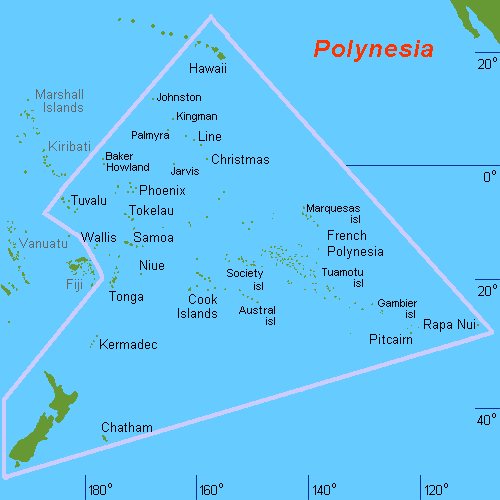
Overview: Polynesia is a cultural and geographic region of the central and southern Pacific composed of more than 1,000 islands. These islands are linked by related languages, ancestral voyaging practices, and many shared social customs. The region is often described as the Polynesian Triangle, whose corners are Hawaii, New Zealand (Aotearoa), and Easter Island. For a simple reference to the island groups and their locations see islands and the wider Pacific Ocean.
Image gallery
10 Images




Geography and environment
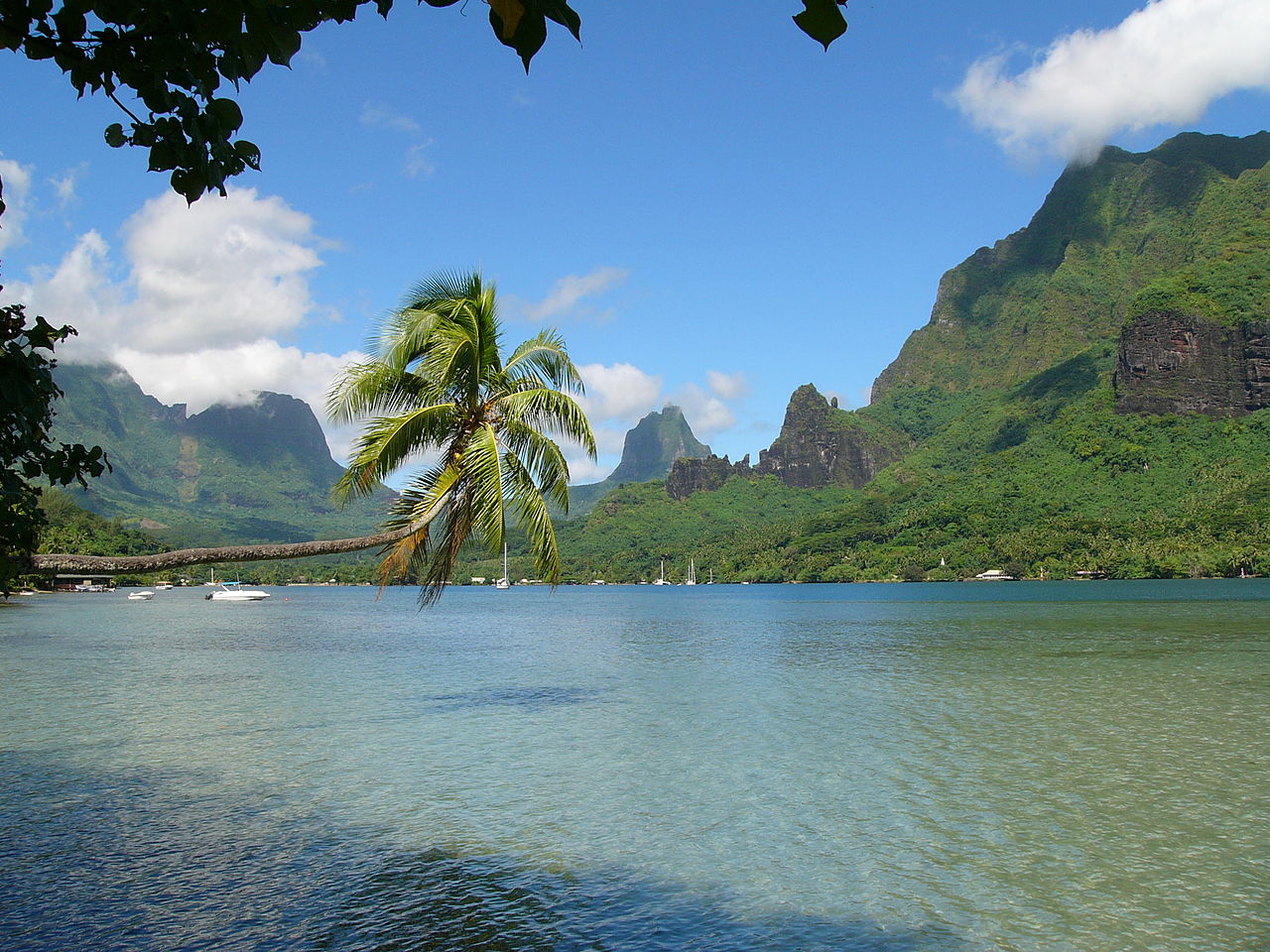
Polynesian islands include high volcanic islands, uplifted limestone islands, and low coral atolls. Volcanic islands tend to have deeper soils and more varied terrain; atolls are low and often vulnerable to storms and sea-level rise. Coastal reefs, lagoons, tropical forests, and many endemic species characterise the region. Environmental pressures include climate change, invasive species, overfishing and the limits of freshwater and arable land on small islands.
People, languages and society
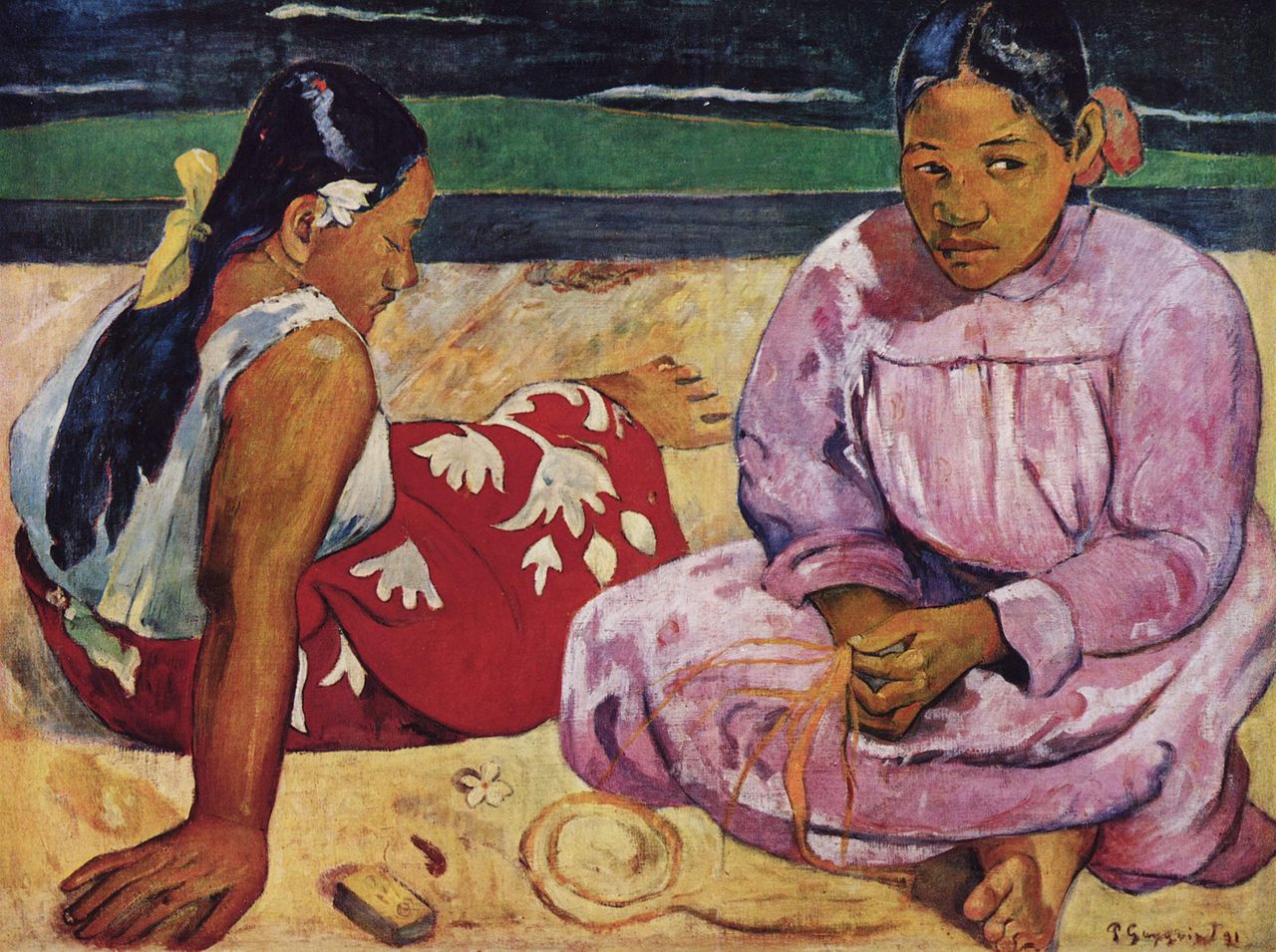
Polynesian peoples speak languages of the Polynesian branch of the Austronesian family and share linguistic and cultural links. Social structures have traditionally emphasized kinship, chiefly leadership in many societies, communal responsibilities, and oral history. Arts such as carving, tattooing, weaving, dance and music remain central to identity, and language and cultural revitalization movements are active across the region and in diaspora communities.
History and navigation
The peopling of Polynesia is a major achievement of premodern navigation. Skilled seafarers voyaged across vast ocean distances in double-hulled canoes, using stars, swell patterns, bird behavior and cloud formations for wayfinding. European contact from the 16th century introduced new goods, diseases, missionaries and colonial administrations, with lasting social and political consequences.
Modern polities, economy and challenges
- Polynesia includes independent states and territories administered by other countries, producing a range of political and economic arrangements.
- Many economies depend on tourism, fisheries and remittances; infrastructure and sustainable resource management are important policy concerns.
- Contemporary challenges include climate resilience, cultural preservation, and balancing modernization with traditional practices.
Culture and continuity
Polynesian cultural traditions continue to influence global arts and sports, and a revival of traditional navigation and language teaching has strengthened regional identity. Conservation and cooperative regional governance are central to addressing shared environmental risks and ensuring the continuity of Polynesian ways of life.
Related articles
Author
AlegsaOnline.com Polynesia: peoples, islands, culture, and history Leandro Alegsa
URL: https://en.alegsaonline.com/art/77867