
Clubmoss (Lycophytes): biology, history, uses and conservation
Clubmosses are ancient vascular plants (lycophytes) with small leaves, dichotomous stems and spore reproduction. This article summarizes their features, evolution, uses and conservation issues.
Overview
Clubmosses are members of the lycophyte lineage, a very old branch of vascular plants. They are commonly grouped in the order Lycopodiales (sometimes treated as the subclass Lycopodiopsida) and include familiar garden and forest species often called clubmosses, ground pines or creeping mosses. Despite their common name, clubmosses are not true mosses: they possess vascular tissue and a distinct evolutionary history. Clubmosses occur worldwide, most often in shaded, moist habitats such as forest floors, peatlands and montane slopes.
Image gallery
8 Images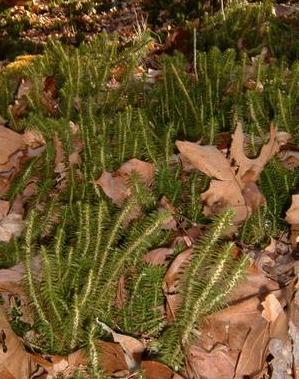

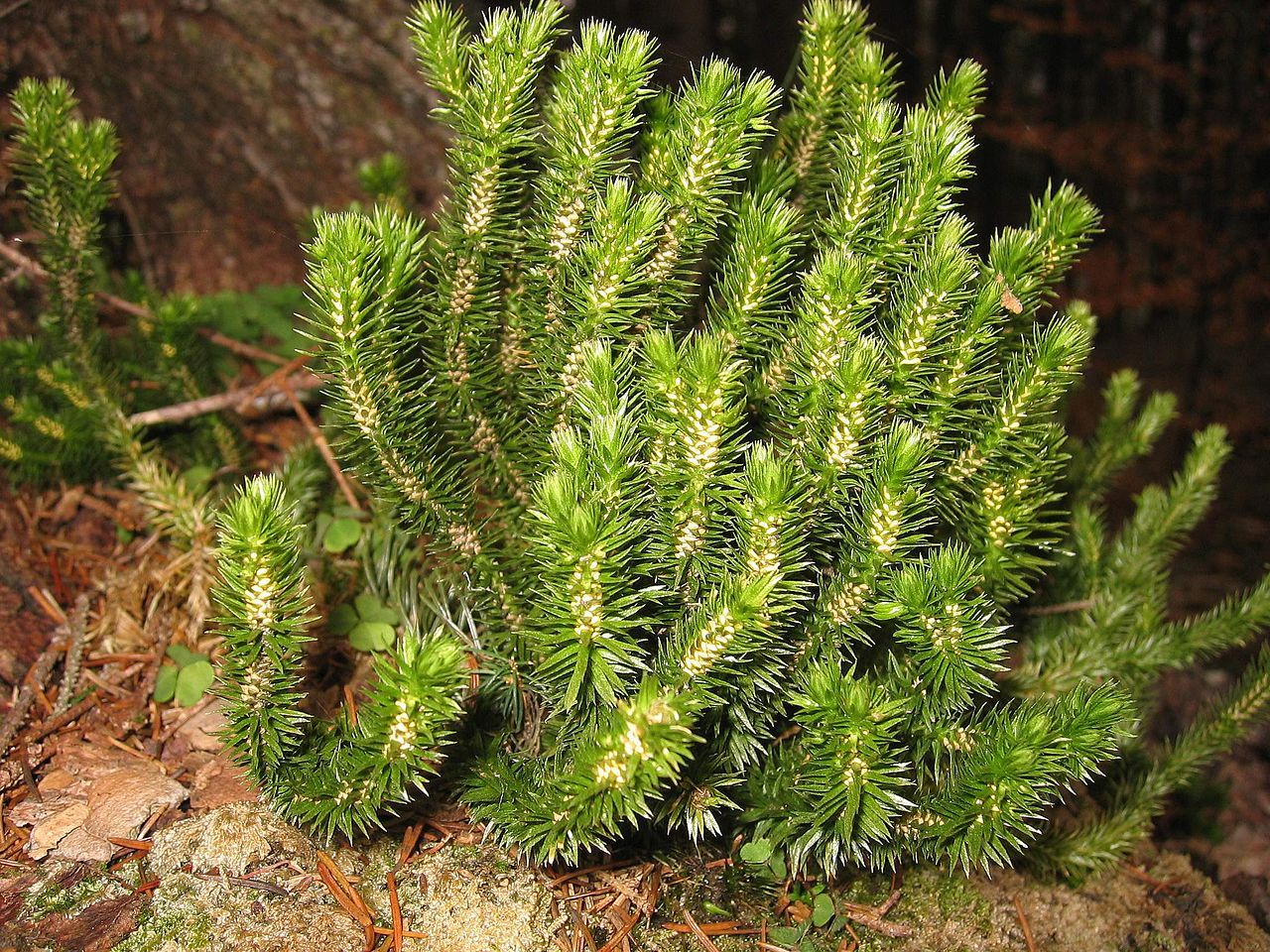


Key characteristics
Clubmosses display several features that distinguish them from other plants. Most are small, with simple, scale-like leaves called microphylls (each typically with a single vein). Many species spread by creeping or branching stems, which commonly divide dichotomously (splitting into two equal branches). Reproductive structures are non-floral: spores are produced in sporangia carried on specialized leaves or in cone-like clusters called strobili. The life cycle includes a free-living gametophyte stage that in many species is subterranean and lives in close association with soil fungi.
- Microphyll leaves (single vein)
- Dichotomous or branching stems; creeping mats or erect shoots
- Homosporous reproduction with spores produced in sporangia
- Distinct alternation of generations with often mycorrhizal gametophytes
History and evolutionary significance
Lycophytes are among the earliest vascular plant groups, with deep roots in the fossil record. During the Carboniferous period (about 300 million years ago) some lycophyte relatives grew into large, tree-like forms and were important components of ancient coal-forming forests. Modern clubmosses are much smaller but retain basic structural traits that reflect this ancient lineage. Their simple leaves and spore-based reproduction provide insight into plant evolution before the rise of seed plants.
Uses, cultural notes and notable facts
Clubmoss spores — often called lycopodium powder — have a range of historical uses because the dry spores are extremely hydrophobic and burn quickly in a fine cloud. In the 19th century they were used in stage pyrotechnics and early special effects; they have also been used for dusting in fingerprinting, as a coating for medicinal pills, and for experiments in early photography and chemistry. These applications relied on the powder's rapid combustion and its ability to form a fine, water-repellent coating. Modern safety standards and conservation concerns have largely ended many traditional uses.
Ecology, threats and conservation
Ecologically, clubmosses can form extensive mats that stabilize soil and provide microhabitats for other organisms. Some species have specific habitat requirements and slow growth, which makes them vulnerable to habitat destruction, over-collection and changes in forest management. Conservation efforts emphasize protecting habitat, limiting commercial harvest of wild populations, and cultivating rare species in botanical collections. Because many clubmoss gametophytes depend on fungal partners, preserving soil and fungal communities is also important for their long-term survival.
Distinctions and identification tips
When identifying clubmosses in the field, note the difference from true mosses: clubmosses have a central vascular strand, recognizable microphyll leaves and often visible sporangia at leaf bases or in strobili. Differences among clubmoss species include growth form (erect versus creeping), leaf arrangement, and the presence or absence of distinct cone-like reproductive structures. For further taxonomic or horticultural information, consult specialist resources and regional floras via links such as vascular plant guides.
For general summaries, taxonomic details and cultivation notes follow the entries linked above; additional specialized literature and botanical gardens provide deeper treatment of particular genera and conservation programs. See also practical notes on historical uses and safety relating to lycopodium powder in older chemical and theatrical sources.
Related articles
Author
AlegsaOnline.com Clubmoss (Lycophytes): biology, history, uses and conservation Leandro Alegsa
URL: https://en.alegsaonline.com/art/21154