
Tree: structure, function, and importance
A tree is a perennial woody plant with a single main stem. This article explains its parts, growth, physiology, ecological roles, uses and differences from shrubs.
A tree is a perennial, generally tall plant characterized by a single main stem or trunk and a woody structure that supports branches and foliage. In botanical and everyday use the word points to plants that develop persistent woody tissue and reach a substantial height; see tall plant. The solid material of that stem is composed mainly of wood, which records a tree’s growth and helps it resist wind and gravity.
Image gallery
10 Images


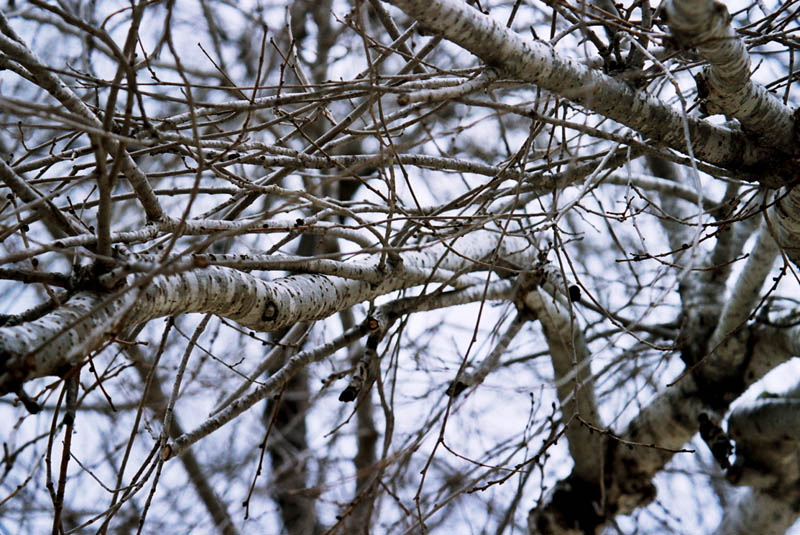

Main parts
- Roots — underground or submerged organs that absorb water and minerals and anchor the tree.
- Trunk — the central stem that carries water and nutrients between roots and crown and provides mechanical support.
- Branches — secondary woody stems that position leaves and reproductive structures.
- Leaves — the primary sites of light capture and gas exchange for growth and reproduction.
Roots are usually found beneath the surface, but some species have specialized habits. For example, mangrove trees develop root systems adapted to tidal water and oxygen-poor soils, and some tropical species produce aerial roots that help support and ventilate the plant — a familiar example being the banyan. Roots transport water and dissolved minerals upward through xylem vessels, while phloem distributes manufactured nutrients downward.
Structure and protection
The trunk and branches are covered by bark, a protective outer layer that shields living tissue from injury, pests and desiccation. Inside the trunk, growth rings in the wood reflect seasonal patterns and can be used to estimate age and past climate conditions. Trees vary greatly in form: some remain single‑stemmed, others become multi‑stemmed or form dense crowns.
Physiology: photosynthesis and respiration
Leaves capture sunlight and combine it with carbon and water to build organic compounds via photosynthesis. In that process trees take in carbon dioxide and water and, using light energy, produce carbohydrates often summarized as sugars while releasing oxygen. Trees also respire: they consume oxygen to convert stored sugars into energy for maintenance and growth, especially at night and in roots.
Age, distribution and ecological roles
Trees can live for decades to several millennia; a few individual trees are known to be several thousand years old. They occur in nearly every terrestrial biome, from boreal forests to tropical rainforests, and include specially adapted forms such as mangroves or drought‑resistant species. Trees create habitat, cycle nutrients, stabilize soils and store carbon, making them keystone components of many ecosystems.
Uses, differences and conservation
People use trees for timber, fuel, shade, fruit, and cultural purposes. Unlike shrubs, which are typically smaller and multi‑stemmed near the base, trees tend to have a clear main stem and greater height. Because they absorb carbon and provide renewable products when managed responsibly, trees are often described as renewable resources. However, widespread deforestation, pests and climate change threaten many tree populations and the services they provide, prompting conservation, restoration and sustainable forestry efforts.
For introductory resources and further reading on tree biology and management, see general guides and botanical references; practitioners use a mix of field observation and laboratory methods to study tree age, health and ecology. Additional practical topics include urban tree care, species selection for planting, and the role of trees in carbon mitigation strategies.
More on basic definitions · Wood and growth · Root functions · Trunk anatomy · Branch patterns · Leaf diversity · Mangrove adaptations · Water relations · Aerial roots · Banyan trees · Bark roles · Shrub vs tree · Carbon dioxide exchange · Oxygen release · Plant sugars · Sustainable use
Questions and answers
Q: What is a tree?
A: A tree is a tall plant with a trunk and branches made of wood. Trees can live for many years.
Q: How old is the oldest tree ever discovered?
A: The oldest tree ever discovered is approximately 5,000 years old.
Q: What are the four main parts of a tree?
A: The four main parts of a tree are the roots, the trunk, the branches, and the leaves.
Q: Where do roots usually grow from?
A: Roots usually grow from under the ground. However, this is not always true - some trees have aerial roots which can also provide support.
Q: What does bark do on a tree's trunk?
A: Bark protects the trunk from damage by providing an extra layer of protection.
Q: What do leaves do for trees?
A: Leaves take in sunlight and use water and food from the roots to make the tree grow, and to reproduce. They also take in carbon dioxide and give out oxygen with sunlight to form sugars - which is opposite of what animals do in respiration.
Q: Are trees renewable resources?
A: Yes, trees are renewable resources because if cut down other trees can be grown in their place.
Related articles
Author
AlegsaOnline.com Tree: structure, function, and importance Leandro Alegsa
URL: https://en.alegsaonline.com/art/101341
Sources
- talkbx.com : "TreeBOL project"
- bbc.co.uk : bbc.co.uk/news/uk-england-nottinghamshire-47830116
- conifers.org : "Sequoia sempervirens"
- www2.dwaf.gov.za : "List of Champion Trees published for comment, 2005, South African Department of Water Affairs and Forestry"
- conifers.org : Gymnosperm Database: How old is that tree?
- biodiversity.sci.kagoshima-u.ac.jp : online
- indigogroup.co.uk : online
- bbc.co.uk : bbc.co.uk/news/science-environment-50840134
- cost.jsc.nasa.gov : calculator
- treeclimbing.com : "Benefits of Tree Climbing"
- books.google.com : Nordic runes: understanding, casting, and interpreting the ancient Viking oracle
- ted.com : Jonathan Drori on what we think we know | Video on TED.com