
Rutaceae: the rue and citrus family
Rutaceae is a family of flowering plants that includes citrus, rue and many aromatic shrubs and trees. Members are notable for oil glands, diverse fruit forms and important culinary, medicinal and ornamental uses.
Rutaceae is a cosmopolitan family of flowering plants commonly called the rue or citrus family. It comprises woody shrubs, trees and some herbs with a strong presence in tropical and warm temperate regions. Many members produce volatile oils that give distinctive aromas and flavors and make the family economically important.
Image gallery
9 Images


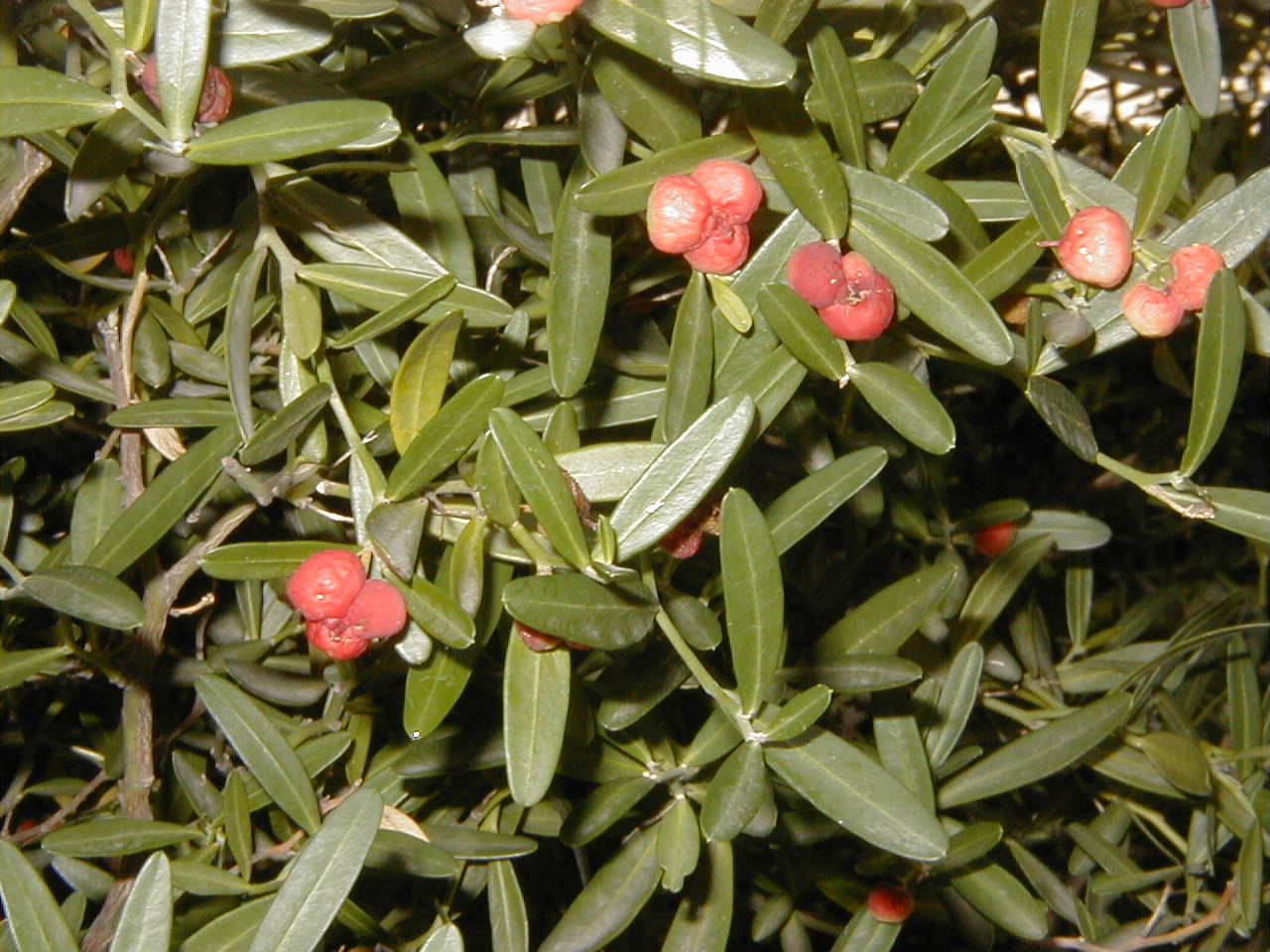

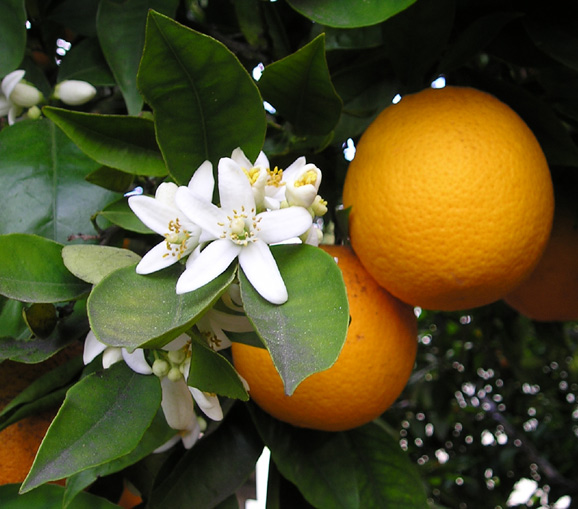

Characteristics
Plants in this family share a set of recurring features, although diversity is substantial. Typical traits include:
- Leaves often with translucent oil glands (visible as tiny dots) and frequently aromatic when crushed.
- Simple to pinnate leaves; some species have compound foliage.
- Flowers usually bisexual, with 4–5 petals and a matching or doubled number of stamens; symmetry ranges from radial to slight bilateral.
- Fruits variable across the family: hesperidia (citrus fruits), capsules, follicles, drupes or samaras occur.
Taxonomy, distribution and evolution
Rutaceae belongs to the order Sapindales. Modern classifications, guided by molecular phylogenetics, recognize around 150–170 genera and roughly 1,600–1,800 species distributed mainly in tropical and subtropical zones, with some representatives in temperate areas. The group shows a long evolutionary history and has diversified into a wide range of growth forms and fruit types.
Uses and importance
Several members are central to human economies and cultures. The genus Citrus provides oranges, lemons, limes and related fruits that are major food crops worldwide. Other genera supply spices, essential oils, timber and ornamental plants. Folk and modern medicines have used species such as Ruta (rue) and various Zanthoxylum species for bioactive compounds and traditional remedies.
Ecology and notable genera
Rutaceae species occupy forests, scrublands and cultivated landscapes and often interact with insects as pollinators and seed dispersers. Notable genera include Citrus (fruits), Ruta (herbal uses), Zanthoxylum (culinary spice and medicinal uses) and Murraya (ornamentals). Ongoing botanical research continues to refine relationships within the family and to document its chemical diversity.
Distinguishing facts: the presence of pellucid oil glands and the variety of fruit types help separate Rutaceae from other Sapindales families. Their aromatic compounds are central to the family’s ecological roles and economic value.
Related articles
Author
AlegsaOnline.com Rutaceae: the rue and citrus family Leandro Alegsa
URL: https://en.alegsaonline.com/art/84884