
New Testament
The New Testament is the collection of Christian writings about Jesus, his earliest followers, and the origins of the Christian church, composed in Koine Greek and forming the second part of the Christian Bible.
Overview
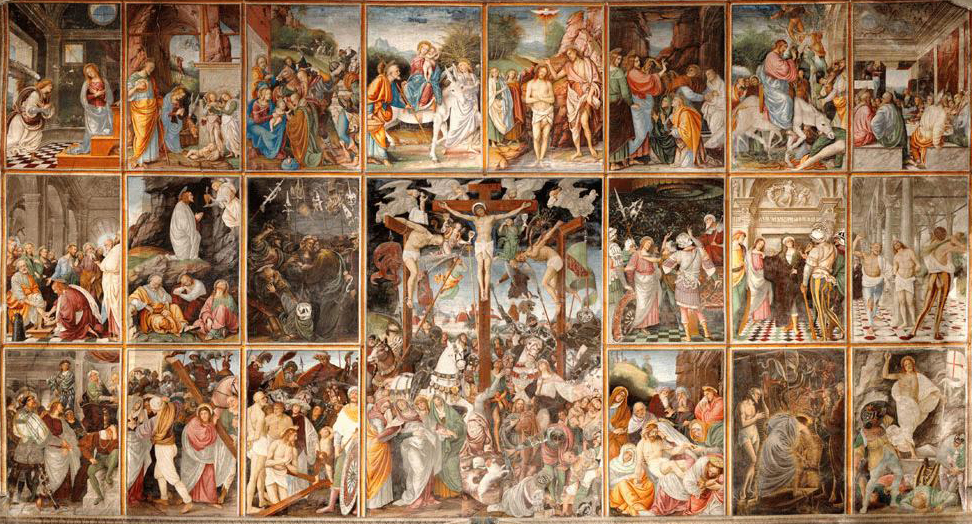
The New Testament is the second major division of the Bible used by Christian communities and is central to the beliefs and practice of Christianity. It presents accounts of the life and teachings of Jesus of Nazareth, reports on the activity of his earliest followers, and contains letters and other writings that shaped the faith and organization of the early church.
Image gallery
10 Images


Structure and contents
Rather than a single book, the New Testament is a collection of texts grouped by genre and purpose. Several categories are commonly distinguished:
- Gospels — narrative portraits of Jesus, his ministry, death, and resurrection.
- Acts of the Apostles — a historical account of the early Christian movement.
- Epistles — letters written to churches or individuals addressing theology, ethics, and governance; these include the Pauline and general epistles.
- Apocalyptic literature — prophetic visions, the most notable example being Revelation.
Origins, language and authorship
The writings now collected as the New Testament were produced in the eastern Mediterranean world during the first century CE. Most scholars agree they were written in Koine Greek, the common language of the region at that time. Authorship varies: some books are attributed to early Christian leaders, while others were circulated anonymously and later ascribed to known figures. The process by which particular writings became canonical unfolded over several decades as communities assessed their theological coherence and apostolic connection.
Role, use, and influence
For believers, the New Testament provides instruction for faith, worship, moral teaching, and church order. Its texts are read in liturgy, cited in theological reflection, and form the basis for many Christian doctrines such as the incarnation, atonement, and resurrection. Beyond religious use, the New Testament has influenced art, literature, law, and ethics across many cultures.
Transmission, translations, and notable facts
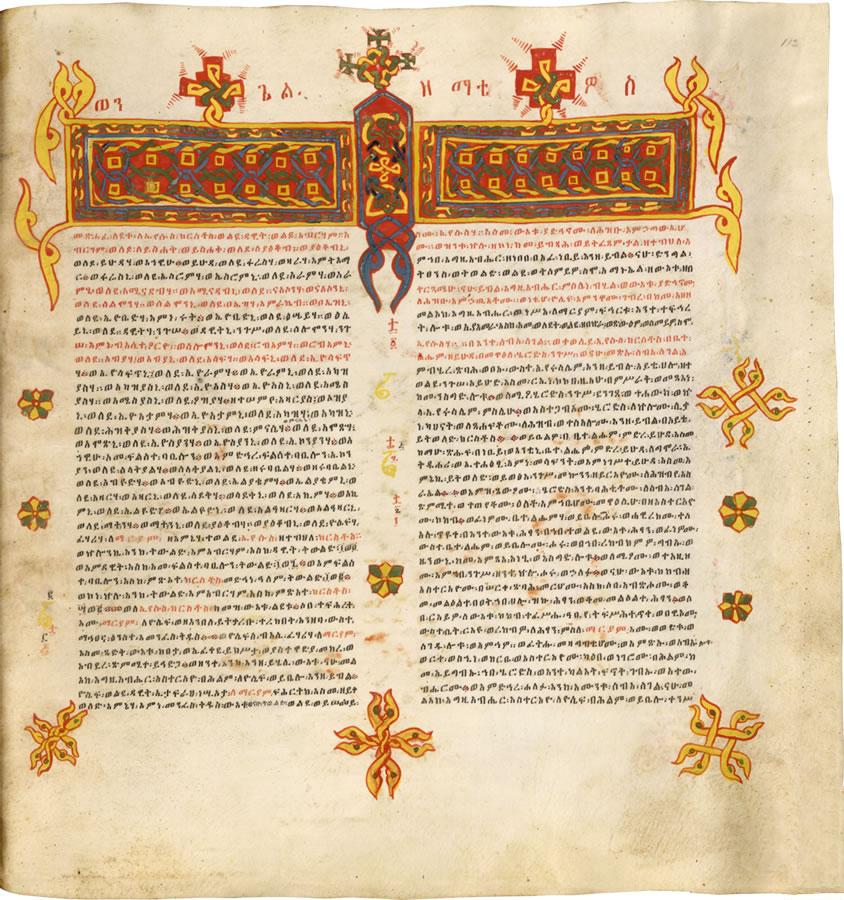
Copies of New Testament books circulated among early churches and were copied by hand for centuries before the invention of printing. This process produced variant readings that textual scholars study to reconstruct the earliest attainable text. Over time the New Testament has been translated into numerous languages and appears in many denominational canons with minor differences in the number and order of books. Its enduring significance lies in both its religious authority for Christians and its historical value for the study of the ancient world.
For further general information, introductions and modern study guides are available that survey the composition, themes, and historical context of the New Testament; academic and religious resources approach these topics from differing perspectives and methods.
Christian perspectives, scholarly studies, and translations continue to shape how the New Testament is understood and practiced today. See also discussions of the wider Christianity tradition and historical background in relevant reference works.
Questions and answers
Q: What is the New Testament?
A: The New Testament is a part of the Christian Bible and is the most important religious writing of Christianity.
Q: What does the New Testament tell?
A: The New Testament tells the story of Jesus Christ, his followers, and the beginnings of Christianity.
Q: What language was the New Testament written in?
A: The New Testament was written in Koine Greek.
Q: Why is the New Testament important for Christians?
A: The New Testament is important for Christians because it tells the story of Jesus Christ and the foundations of their religion.
Q: What are some of the books included in the New Testament?
A: The New Testament includes books such as the Gospels of Matthew, Mark, Luke, and John, as well as letters from early Christian leaders like Paul and Peter.
Q: Did the New Testament replace the Old Testament?
A: No, the New Testament did not replace the Old Testament. Both are considered important parts of the Christian Bible.
Q: How has the New Testament influenced Christianity?
A: The New Testament has had a profound influence on Christianity, shaping its beliefs, practices, and traditions.
Related articles
Author
AlegsaOnline.com New Testament Leandro Alegsa
URL: https://en.alegsaonline.com/art/69626
Sources
- biblical-data.org : The paleographical dating of P-46
- zondervanacademic.com : "Who Wrote the Book of Hebrews?"