
Baptism: Christian rite of initiation, symbolism, and diverse practices
Baptism is the Christian rite of initiation symbolizing cleansing, rebirth and admission to the church. Methods, timing and theological meanings vary among traditions and historical periods.
Overview
Baptism is a religious rite practiced throughout most of Christianity that marks a person's initiation into the Christian community. It is widely understood as a symbolic act involving water and a spoken formula, associated with cleansing from sin, spiritual rebirth, and incorporation into the body of believers. Biblical accounts and early Christian writings show that baptism was central to communal identity from the movement's beginnings.
Image gallery
10 Images






Ritual elements and symbolism
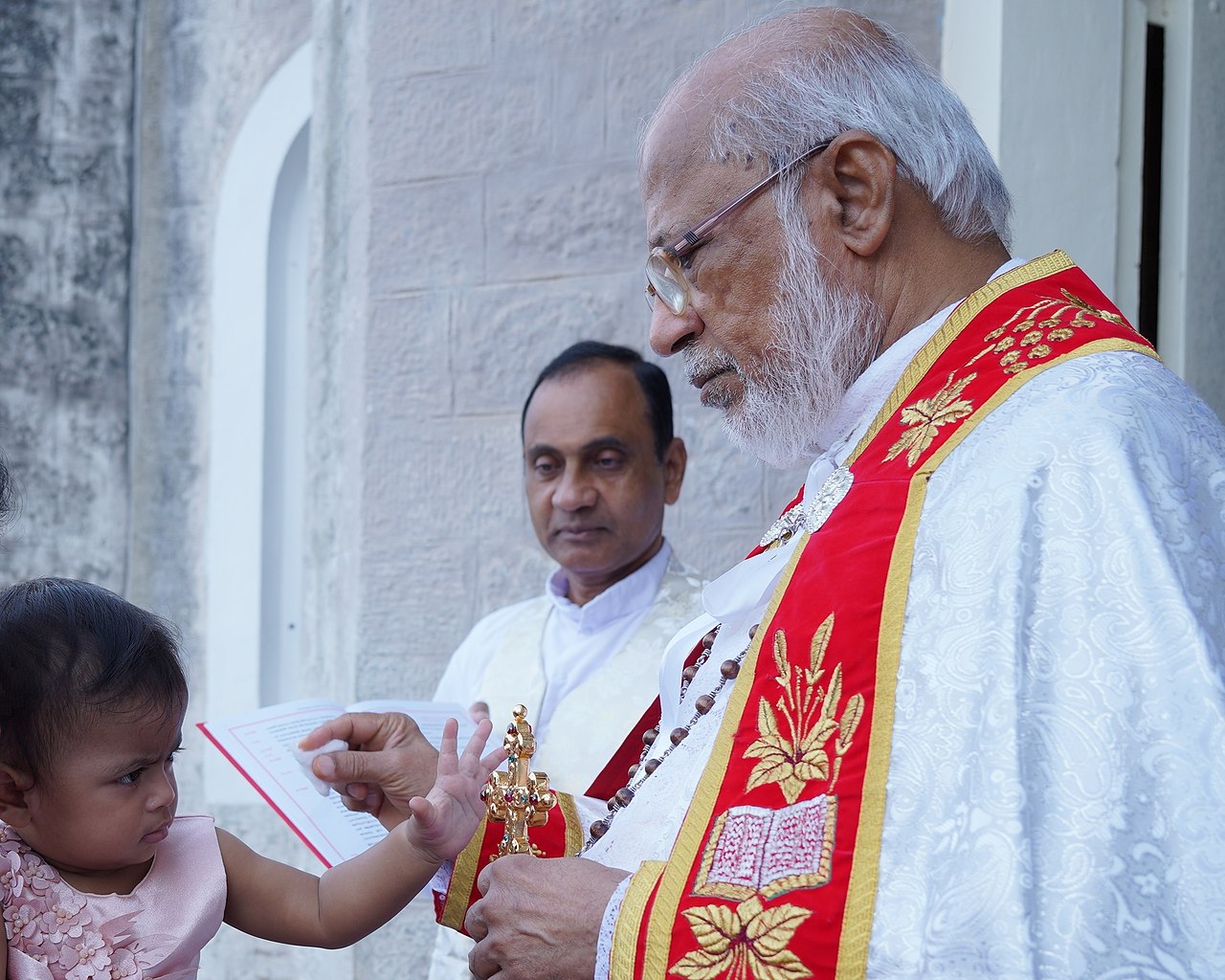
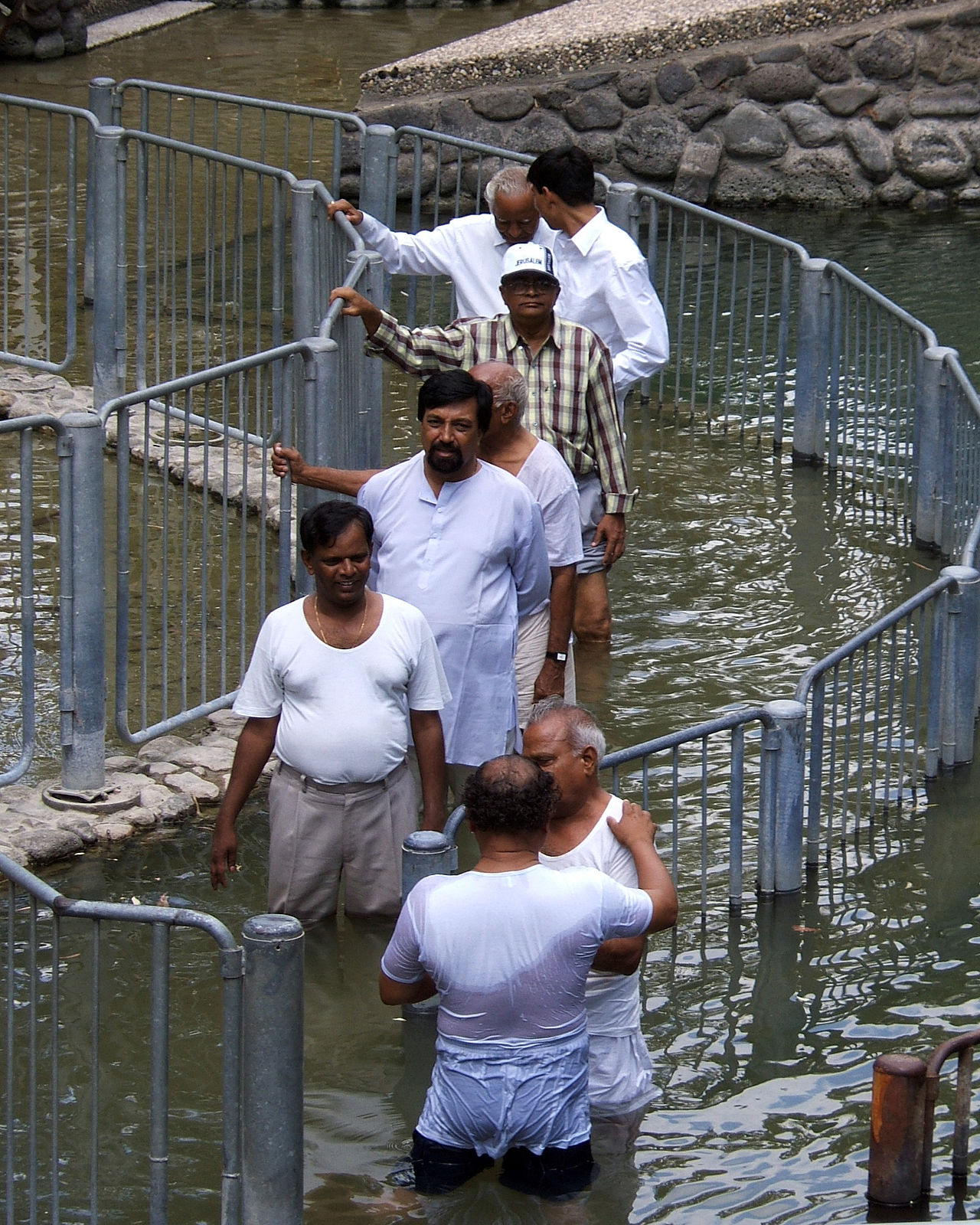
The defining element of baptism is the use of water together with a verbal invocation, commonly the Trinitarian formula "in the name of the Father, Son and Holy Spirit" in many traditions. Modes include immersion (submerging the person), affusion (pouring), and aspersion (sprinkling). Ceremonies often include gestures and symbols such as anointing with oil, the laying on of hands, a white garment, and a public declaration or profession of faith. These features emphasize themes of purification, dying and rising with Christ, and new life within a community.
History and development
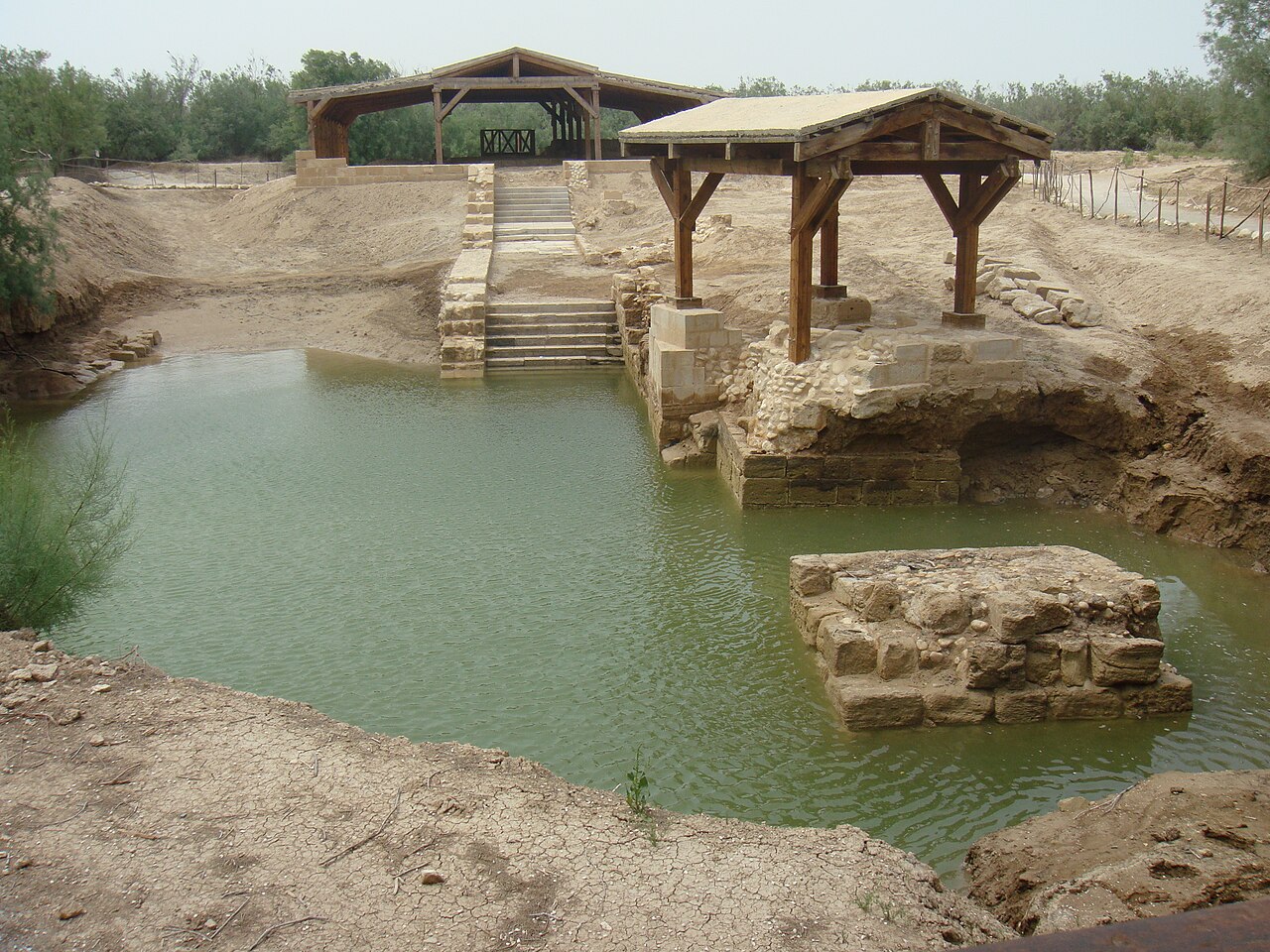
Christian baptism has roots in Jewish ritual washings and in the ministry of John the Baptist, who called for repentance and baptized people in the Jordan River. Early Christians adapted these practices, and by the first centuries baptism had become the ordinary means of entry into the Christian community. Over time liturgical forms, theological explanations, and pastoral practices evolved in different regions and traditions.
Forms, timing and theological differences
- Mode: immersion, affusion (pouring), or aspersion (sprinkling).
- Timing: infant (paedobaptism) versus believer's (credobaptism) baptism; infant baptism typically involves parental vows and sponsors or godparents, while believer's baptism involves a personal confession of faith and often adult catechesis.
- Theology: traditions differ on whether baptism is primarily a sacrament that conveys grace, a seal of an already present faith, or a symbolic public profession. Some speak of baptismal regeneration in theological terms, while others emphasize faith and repentance as prerequisites.
Recognition and pastoral practice
Many churches recognize baptisms performed with water and the Trinitarian formula, though practical and doctrinal differences affect mutual recognition among some groups. Preparation for baptism can include instruction or catechesis, and the rite often takes place in congregation settings, during services, or at special liturgies. Pastoral care after baptism may include ongoing formation, confirmation, or participation in the life of the local church.
Contemporary significance and further reading
Baptism continues to serve as a public and communal milestone: it marks membership in congregations, shapes pastoral responsibilities, and features in life-cycle events. Some Christian communities place strong emphasis on baptism as necessary to church membership, while others treat it primarily as an outward sign of inward faith. For more general overviews and denominational summaries see traditional rite studies, consult profiles of Christian churches, consult denominational profiles for particular teachings, review historical and biblical background at New Testament accounts, or read about symbolism and pastoral practice at symbolism and ceremony.
Questions and answers
Q: What is baptism?
A: Baptism is a rite or ceremony performed by most Christian churches and denominations.
Q: Why is baptism performed?
A: Baptism is done as a cleansing symbol to show that the person being baptized has become a follower of Jesus.
Q: What does baptism represent?
A: Baptism can represent the joining of the Christian family.
Q: Who is eligible for baptism?
A: Anyone who wishes to become a follower of Jesus can be baptized.
Q: Is baptism mandatory to become a Christian?
A: While many Christians believe that baptism is necessary for salvation, others believe that it is an outward symbol of an inward transformation and not mandatory.
Q: Are there different types of baptism?
A: Yes, there are different types of baptism such as full immersion, pouring, or sprinkling of water.
Q: Are all Christian churches and denominations performing baptism?
A: Most Christian churches and denominations perform baptism, but some do not practice it, such as Quakers and Salvation Army.
Related articles
Author
AlegsaOnline.com Baptism: Christian rite of initiation, symbolism, and diverse practices Leandro Alegsa
URL: https://en.alegsaonline.com/art/8823
Sources
- vatican.va : "Catechism of the Catholic Church - The Sacrament of Baptism"
- tools.wmflabs.org : Leviticus 8:6,7
- tools.wmflabs.org : Matthew 3:13–17
- tools.wmflabs.org : Mark 1:9–11
- tools.wmflabs.org : Luke 3:21–23