
Death: biological end of life, medical definitions, and cultural responses
An overview of death as the cessation of biological life, medical criteria and investigation, common causes, and the cultural and religious beliefs and practices that surround human death.
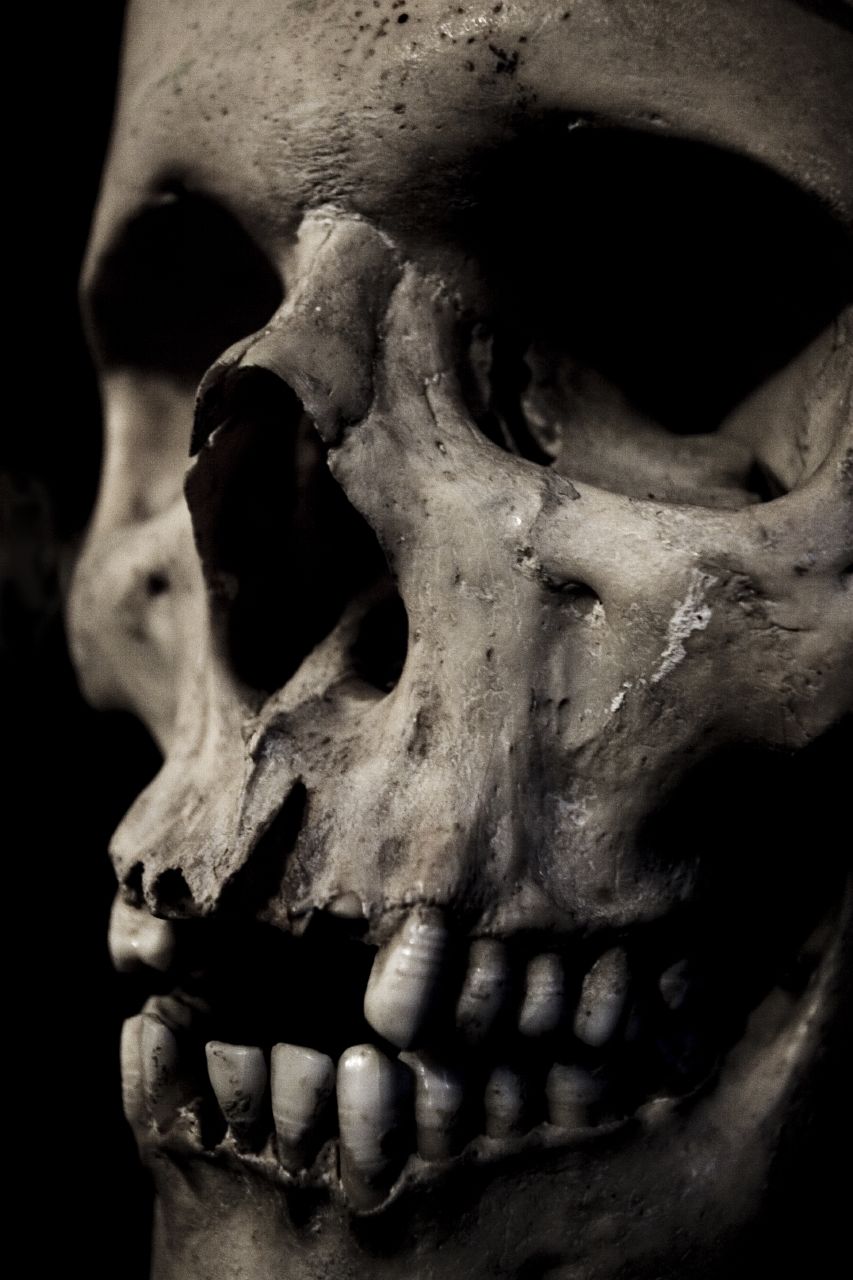
Death marks the permanent end of an organism's biological functions and the processes that sustain life. In many contexts the word refers to the end of an individual life or the failure of an organism to maintain the integrated functions of living tissue. For most animals, including humans, a widely recognized sign of death is the irreversible stoppage of the heart, though modern medicine distinguishes between cardiac arrest, which can sometimes be reversed, and true irreversible death.
Image gallery
10 Images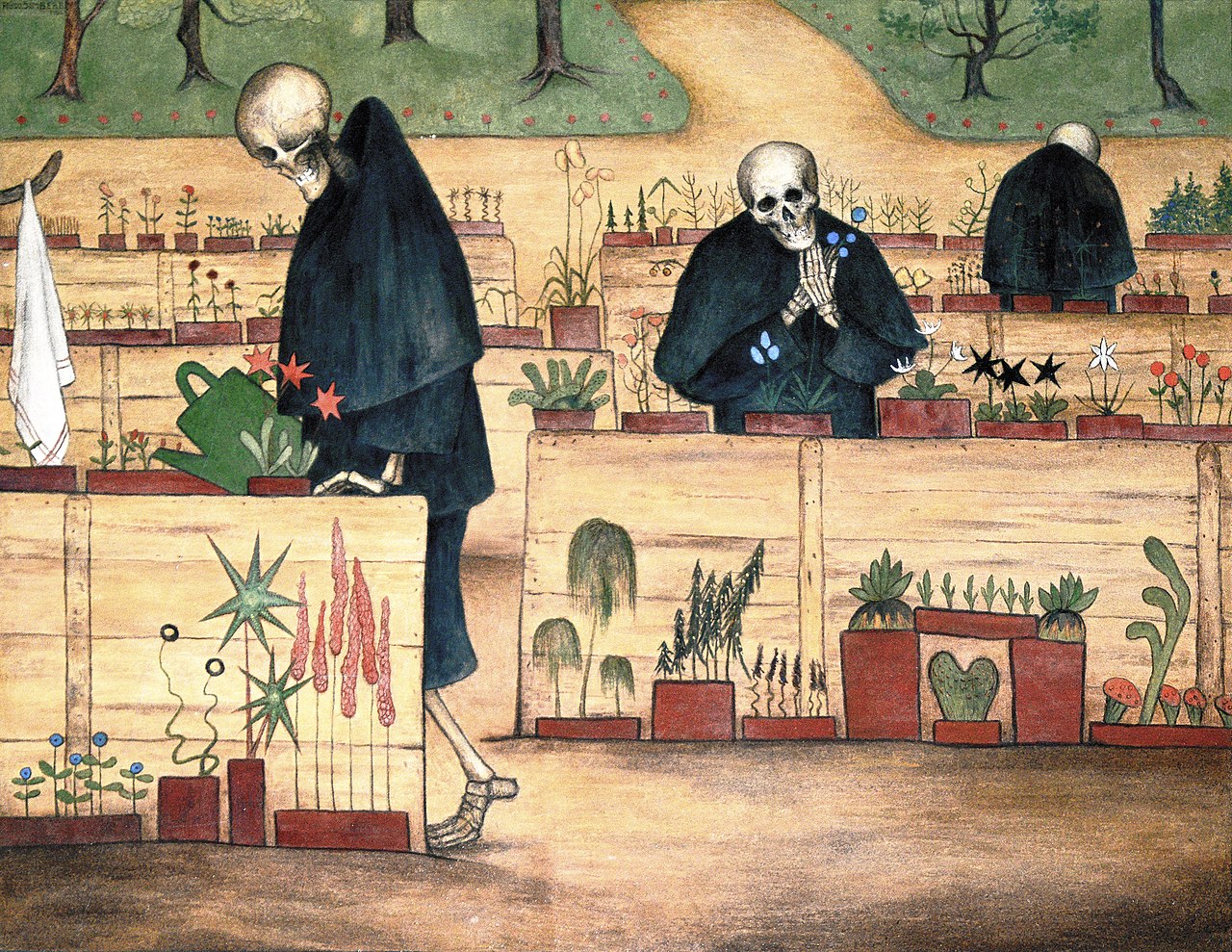




Medical and biological criteria
Clinically, practitioners use several criteria to determine death. Traditional markers include absence of heartbeat and respiration, but advances in critical care introduced the concept of brain death—the irreversible loss of all brain functions—as a legally and medically accepted definition in many jurisdictions. The field of pathology is responsible for establishing cause of death when investigation is required, while broader standards are articulated within medicine. The exact moment that death is declared can be complicated when mechanical support sustains circulation or respiration.
Common causes and classifications
Death can result from many processes. Chronic and acute illnesses, traumatic injury, and environmental extremes are common proximal causes. Some categories often used in discussion and investigation include natural causes associated with age, communicable and noncommunicable disease, accidental events such as an accident, and intentional acts like murder. When cause is not immediately clear, medical and legal systems employ examinations and tests to determine whether death was expected, preventable, or criminal.
- Signs commonly used: absence of pulse, no breathing, fixed pupils, lack of response to stimuli.
- Exceptions: reversible cardiac arrest after rapid intervention, extraordinary cases such as cold-water near-drowning.
Cultural, religious, and social responses
Beliefs about what happens after death vary widely. Many religious traditions teach that, beyond the physical body, a soul or spirit may persist. Those beliefs take forms such as an afterlife, reincarnation, or philosophical positions like annihilationism that deny persistence. Organized religions and local communities maintain different customs and rituals—funerals, memorials, rites of passage—that honor the dead, provide social closure, and shape mourning practices.
Investigation, statistics, and importance
Counting and classifying death is central to public health, law, and historical record. Health authorities track mortality patterns to identify epidemics, understand chronic disease burden, and inform prevention. Forensic study seeks cause and manner of death in unexpected or violent cases. Globally, deaths occur in the tens of thousands each day; understanding their distribution helps guide medical research, safety regulations, and social policy. Professional roles such as coroners, medical examiners, and pathologists play a key part in this work.
Notable distinctions and practical considerations
Several distinctions shape how death is treated in society. 'Clinical death' refers to cessation of heartbeat and breathing; 'brain death' signals total and irreversible loss of neurological function. The presence of life-sustaining machines complicates the moment of death and raises ethical, legal, and medical questions about withdrawal of support and organ donation. Language also reflects differences: events or substances that cause death are described as fatal or deadly, while illnesses that inevitably lead to death are termed terminal.
Across cultures and professions, death remains both a biological fact and a human experience shaped by medicine, law, ethics, and belief. For further reading and authoritative resources, consult medical texts and cultural studies that address the biological mechanisms, legal definitions, and diverse rituals associated with the end of life.
Questions and answers
Q: What is death?
A: Death is the end of a life in an organism, when all biological and living activity stops, including the mind and senses. This usually happens when the heart stops beating and cannot be restarted.
Q: What causes death?
A: Death can be caused by many things, but it is ultimately due to a limited lifespan that all living things have.
Q: How many people die every day?
A: Around 150,000 people die every day around the world. About two thirds of these deaths are due to age-related causes.
Q: Do humans have a soul?
A: Some believe that humans also have a soul which can continue without a body (afterlife), move into another body (reincarnation), or cease to exist (annihilationism). Religions have different beliefs about this issue.
Q: What do we call events or things that lead to death?
A: Events or things that lead to the death of a plant or animal are usually described as being deadly or fatal. In the case of diseases, they are described as terminal.
Q: How does medicine define death?
A: In medicine, death is when the heart stops beating for more than several minutes. Machines may be used to help keep the heart and lungs working, making it more difficult to determine when someone has died.
Q: Is there any way for self-repair in humans?
A: Humans have an ability for self-repair, but it is limited and eventually leads to death if not treated properly with medical care.
Related articles
Author
AlegsaOnline.com Death: biological end of life, medical definitions, and cultural responses Leandro Alegsa
URL: https://en.alegsaonline.com/art/26056
Sources
- mfoundation.org : "Life span extension research and public debate: societal considerations"
- doi.org : 10.2202/1941-6008.1011