
Tacitus: Roman historian and senator
Tacitus (c.56–c.117) was a Roman senator and one of the principal historians of the early Empire. His surviving works illuminate imperial politics, provincial life and Roman character in the 1st century CE.
Publius (or sometimes given as Gaius) Cornelius Tacitus was a leading Roman senator and literary figure of the late 1st and early 2nd centuries CE. He combined first‑hand political experience with a trained literary style to produce histories that probe the exercise of power in the Roman state. Contemporary biographical details are limited and occasionally uncertain, but his reputation rests primarily on the surviving portions of his historical writings and several shorter works.
Image gallery
5 Images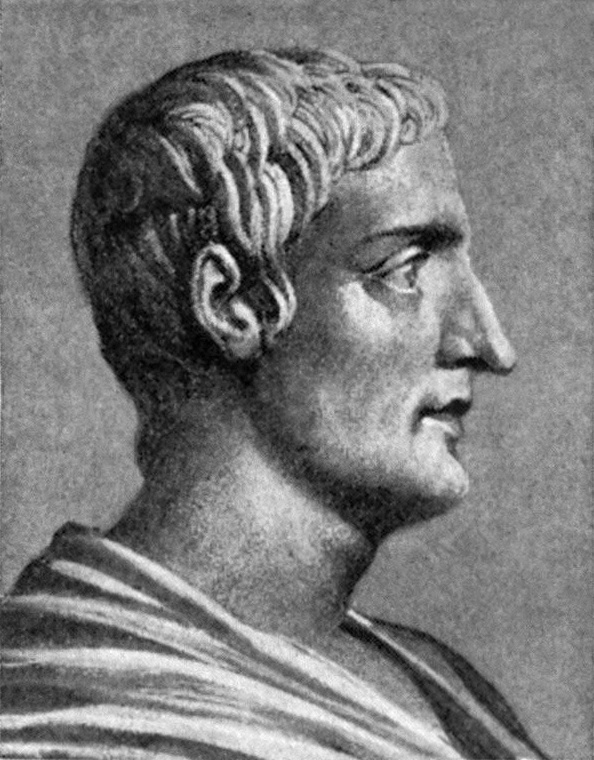


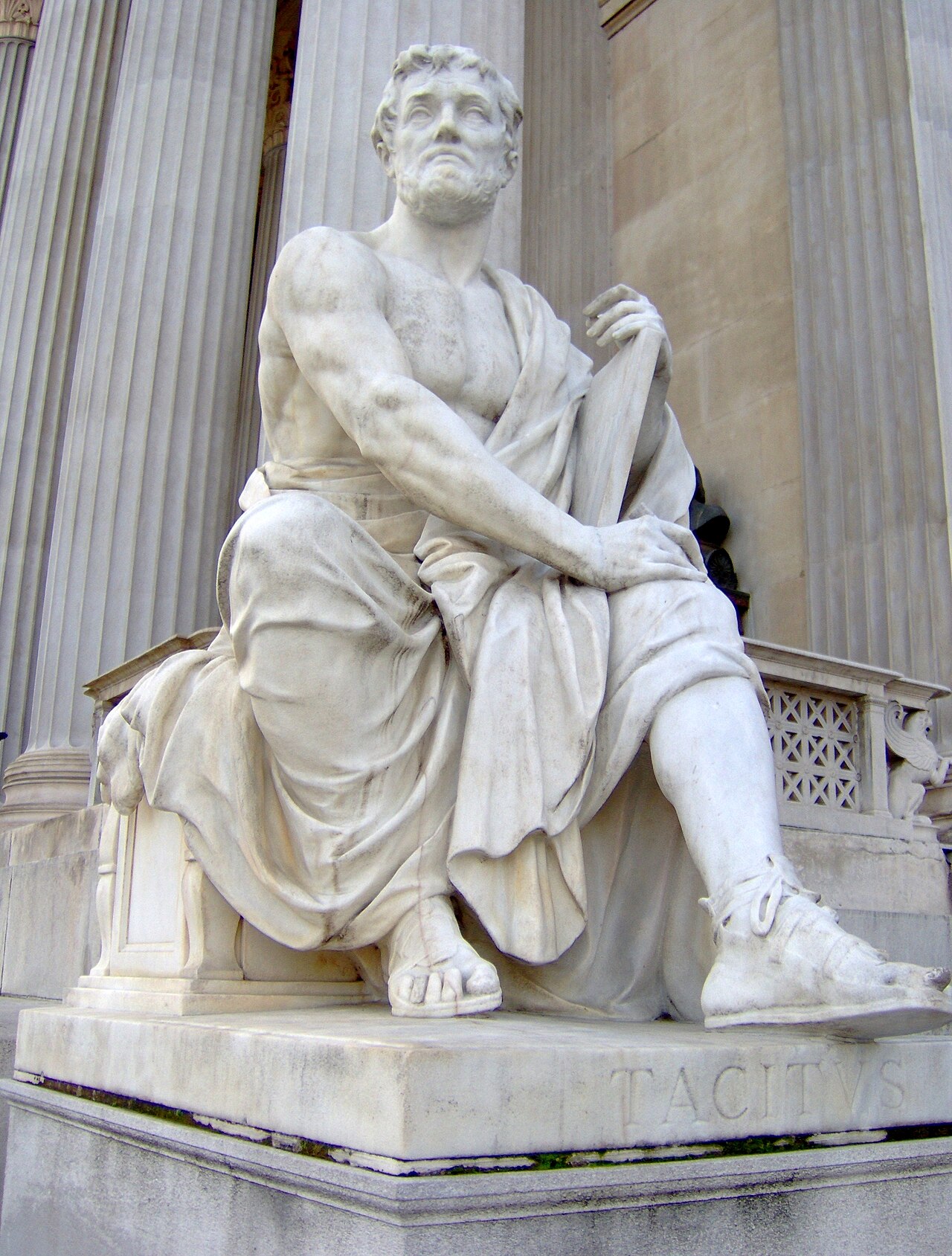

Major works and scope
Tacitus authored monumental histories and essays that discuss emperors, institutions and provincial life. The two major narrative works are the Annals and the Histories. The surviving portions of those texts cover the reigns of emperors such as Tiberius, Claudius, Nero, Galba, Vitellius and Vespasian. In addition to these annalistic histories, he wrote the Agricola (a biography and account of Britain), the Germania (an ethnographic description), and the Dialogus de oratoribus (on rhetoric).
Style, method and themes
Tacitus is noted for a concise, often epigrammatic Latin style and for an interpretive approach that combines narrative with moral and political reflection. He frequently analyzes motives, records speeches (as was conventional in Roman historiography), and highlights tensions between liberty and autocracy. His accounts emphasize the corrupting effects of absolute power, the fragility of republican institutions, and the social consequences of imperial rule.
Career and historical context
As a member of the Roman elite, Tacitus held public office and moved in senatorial circles; references to his career are preserved in inscriptions and in his writings. His work was produced in the context of the early Roman Empire, a period in which traditional aristocratic values adapted to the realities of imperial government. Readers often consult his writing to understand both the personalities of emperors and the institutional development of Roman rule in the provinces and the city.
Reception and significance
From late antiquity through the Renaissance and into modern scholarship, Tacitus has been studied for his literary craftsmanship and his insights into power and governance. Scholars value his narrative for information about political events and provincial life, while students of Latin prize his syntax and rhetorical economy. His observations have influenced political thought and historical method, and his works remain central sources for the study of the early Roman Empire and its personalities.
Further reading and works
- Senatorial career and offices — background to his position in Roman politics.
- Historiographical approach — Tacitus as historian and commentator.
- Context of the Roman Empire — the political and social setting for his narratives.
Questions and answers
Q: Who was Tacitus?
A: Tacitus was a senator and historian of the Roman Empire who lived between the years of 56 and 117 CE.
Q: What were the two major works that Tacitus wrote?
A: The two major works that Tacitus wrote were the Annals and the Histories.
Q: What did the Annals and Histories report about?
A: The Annals and Histories reported about the reigns of the Roman Emperors Tiberius, Claudius, Nero, Galba, Otho, Vitellius, and Vespasian.
Q: What was Tacitus's full name?
A: Tacitus's full name was Publius (or Gaius) Cornelius Tacitus.
Q: When did Tacitus live?
A: Tacitus lived during the first century CE, between the years of 56 and 117.
Q: Was Tacitus a senator in addition to being a historian?
A: Yes, Tacitus was also a senator in addition to being a historian.
Q: Which Roman Emperors did Tacitus write about in his major works?
A: Tacitus wrote about the reigns of the Roman Emperors Tiberius, Claudius, Nero, Galba, Otho, Vitellius, and Vespasian in his major works, the Annals and the Histories.
Related articles
Author
AlegsaOnline.com Tacitus: Roman historian and senator Leandro Alegsa
URL: https://en.alegsaonline.com/art/95831