
Pliny the Younger (Gaius Plinius Caecilius Secundus)
Roman lawyer, magistrate and author (c. 61–113). Best known for his collected Letters, the Panegyricus, his eyewitness account of Vesuvius and correspondence with Emperor Trajan.
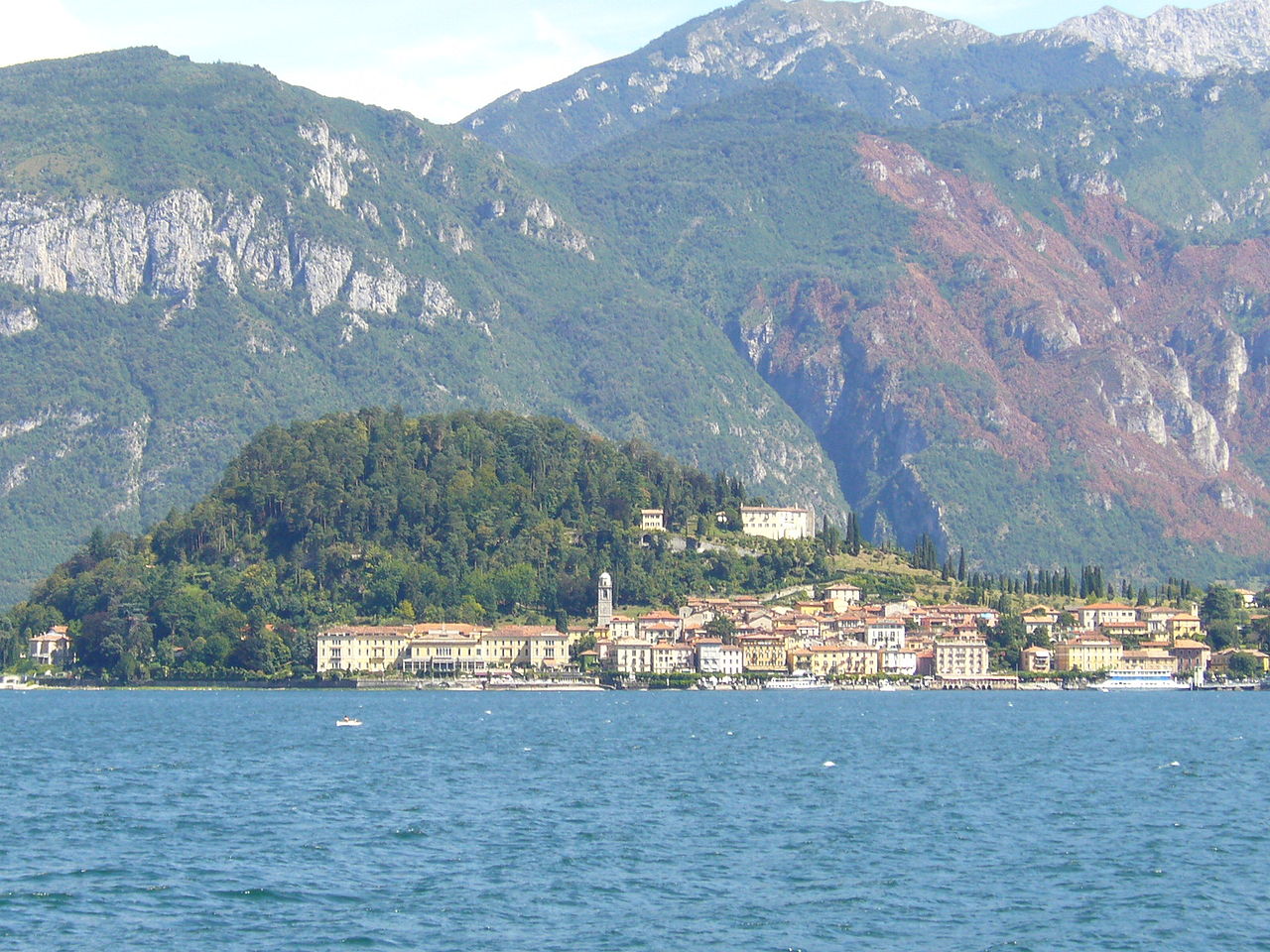
Pliny the Younger (Gaius Plinius Caecilius Secundus) was a Roman lawyer, magistrate and writer born c. 61–63 in Como. He was raised and educated by his uncle, Pliny the Elder, who influenced his interest in learning and public service. Pliny's career combined law, administration and literature; his surviving works are central sources for the social and political life of early Imperial Rome (Ancient Rome).
Image gallery
3 Images

Life and career
Trained in rhetoric and legal practice, Pliny followed the customary cursus honorum of an equestrian turned senator and held a sequence of public offices. He became known as a skilled advocate and official (lawyer), and he reached the consulship as suffect consul in 100 CE. Late in life he governed the province of Bithynia-Pontus, where he wrote many of his best-known administrative letters. He probably died around 113 while serving in that province.
Writings and style
Pliny's literary reputation rests mainly on his Epistulae (Letters), collected and arranged in ten books, and on a formal oration, the Panegyricus, delivered in praise of the emperor. His prose is admired for clarity, polished rhetoric and the use of personal anecdote. Pliny acted as both correspondent and chronicler: his letters range from intimate exchanges with friends to detailed reports on legal, administrative and literary matters (writer, author).
Notable themes and letters
- Eyewitness account of the eruption of Vesuvius in 79 CE, including the death of his uncle and observations of ash, pumice and atmospheric effects.
- Practical correspondence with Emperor Trajan about provincial governance, legal procedure and local administration.
- Enquiries about how to treat new religious groups, including a well-known question concerning Christians and Trajan's reply.
- Letters that illuminate domestic life, education, landholding, and the literary circles of Rome.
Importance and legacy
Pliny's letters are valued as literary works and as documentary evidence. They provide direct testimony for events, administrative practice and everyday customs in the early 2nd century Roman Empire. Later historians and biographers have relied on his clear, observational prose to reconstruct episodes such as the Vesuvius eruption and provincial administration under Trajan. For further general introductions and editions consult standard collections and translations (biographical dates, birthplace, legal career, literary work, major writings, context, family).
Author
AlegsaOnline.com Pliny the Younger (Gaius Plinius Caecilius Secundus) Leandro Alegsa
URL: https://en.alegsaonline.com/art/128812