
Suetonius (Gaius Suetonius Tranquillus) — Roman biographer and historian
Gaius Suetonius Tranquillus (c. AD 69 – after AD 122) was a Roman imperial-era writer best known for De Vita Caesarum, a set of twelve imperial biographies valued for its anecdotes and administrative detail.
Overview
Gaius Suetonius Tranquillus was a Roman historian and biographer active in the early second century AD. Born around the beginning of Emperor Vespasian's reign, he belonged to a family of the equestrian order and later served in imperial administrations. His best known work, De Vita Caesarum (commonly translated as Lives of the Caesars), profiles twelve rulers from Julius Caesar through Domitian and remains a central source for the study of the early Roman Empire.
Image gallery
2 Images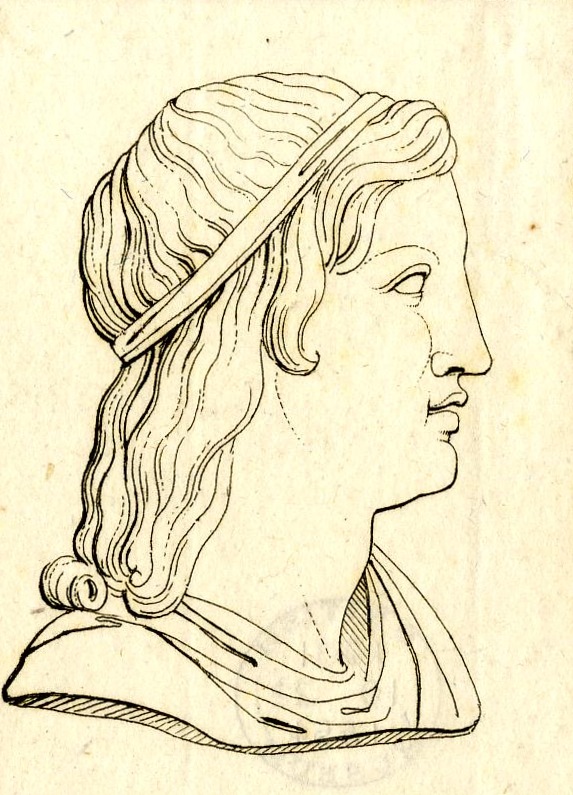

Life and career
Suetonius' life is known only in outline from scattered references. He appears to have held imperial posts and to have been a secretary or clerk under Emperor Hadrian before retiring around 121 AD after an accusation linked, by later reports, to the empress Sabina. After his retirement he composed the works that secured his reputation. The details of his personal life are sparse; what survives focuses on his literary production and the social milieu of Roman bureaucrats and scholars.
Major works and method
The centerpiece of Suetonius' output is De Vita Caesarum, a sequence of twelve biographies that combine chronology with topical sections on ancestry, public career, personal habits, notable sayings, and death. He also wrote collections of shorter biographies of literary and public figures and treatises on grammarians and rhetoricians. Suetonius favored anecdote and memorable detail; he drew on official records, memoirs, public documents and popular rumor, arranging material by theme as well as by sequence of events.
Style, sources and reliability
His approach is both documentary and anecdotal. Where administrative records or official acts are concerned he can be factual and concise; where personality and private life are concerned he records gossip, scandal and popular tradition. Modern scholars value Suetonius for preserving material lost elsewhere, but they also treat his more sensational claims cautiously, cross-checking them against other evidence. His work is therefore indispensable but must be used critically.
Influence and reception
From late antiquity through the medieval and Renaissance periods, Suetonius' biographies were widely read and copied. Humanist scholars in the early modern era relied on him for portraits of emperors; since about 1500 his writings have appeared in numerous printed editions and translations. His blend of political narrative and private detail influenced later biographical traditions in Europe and shaped popular images of Roman rulers.
Notable facts and further reading
- Suetonius' most famous book covers twelve rulers, beginning with Julius Caesar and ending with Domitian.
- He lived under emperors from the era of Vespasian to the reign of Hadrian; he served in Hadrian's administration and was later retired amid controversy involving the empress Sabina.
- His social background was the Roman equestrian class; he drew on both official archives and popular reports to compose his lives (equestrian order).
- Suetonius is commonly described simply as a Roman historian, though he is equally recognized as a biographer and antiquarian whose works preserve literary and documentary sources (primary source).
For introductions to Suetonius' life and texts consult general histories of Roman literature and annotated editions of De Vita Caesarum. Manuscript and editorial traditions are discussed in modern commentaries, which also assess the balance between his factual reporting and more speculative anecdotes.
Related articles
Author
AlegsaOnline.com Suetonius (Gaius Suetonius Tranquillus) — Roman biographer and historian Leandro Alegsa
URL: https://en.alegsaonline.com/art/94608