
Jiang Zemin: Chinese leader who guided China in the 1990s and early 2000s
Overview of Jiang Zemin (1926–2022), his rise after 1989, roles as Party chief, president and CMC chairman, key policies such as the Three Represents, and his legacy in modern China.
Overview
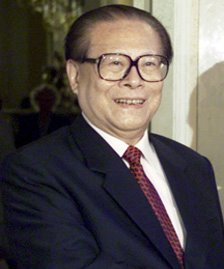
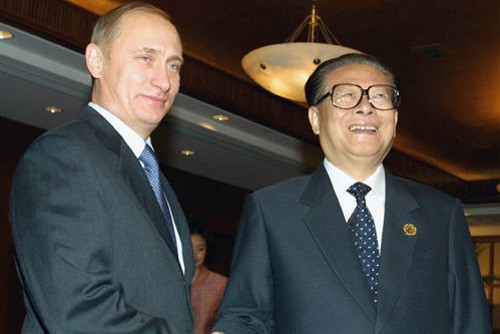
Jiang Zemin (Chinese: 江泽民; born 17 August 1926 — died 30 November 2022) was a senior Chinese Communist Party (CCP) leader who led China through the 1990s and into the early 2000s. He served as General Secretary of the CCP from 1989 to 2002, President of the People’s Republic of China from 1993 to 2003, and Chairman of the Central Military Commission from 1989 to 2004. His tenure followed the political turmoil of 1989 and coincided with rapid economic expansion, integration into the global economy and notable political consolidation at home. For basic biographical and naming information see Chinese name conventions and transcription resources.
Image gallery
10 Images



Early life and political rise
Jiang trained as an electrical engineer at Shanghai Jiao Tong University and began his career in industry and local government in Shanghai. He rose through municipal and provincial posts before entering national leadership. In the aftermath of the 1989 protests, party leaders appointed Jiang to top positions; he was later described by supporters and some scholars as the "core" of the CCP leadership of his generation. Background on his political ascent is discussed in profiles and summaries such as biographical summaries.
Policies and governance
Jiang presided during a period of accelerating market-oriented reforms and foreign trade growth. Under his leadership China completed key steps toward fuller participation in the global economy, culminating in accession to the World Trade Organization in 2001. He articulated the "Three Represents," a political theory that broadened the party’s claim to represent advanced productive forces, advanced culture and the interests of the majority, and which was later written into CCP doctrine. Jiang’s government combined economic liberalization with continued political control by the Party; human rights and political dissent remained sensitive topics for foreign critics and observers. For discussions of his policies see policy overviews.
Notable events and foreign relations
- 1997: Hong Kong handover from Britain to China, a major international milestone during Jiang’s presidency.
- 1990s–2000s: Deepening economic ties with the United States, Europe and neighboring Asian economies, alongside occasional political disagreements.
- 2001: China joins the WTO, marking a step toward global economic integration.
Legacy and assessments
Assessments of Jiang’s legacy vary. Many credit him with steadying leadership after a tumultuous period, modernizing state institutions, and overseeing strong economic growth that transformed China’s global role. Critics point to continued restrictions on political freedoms and to factional politics within the CCP. After leaving formal office, Jiang remained a figure of influence for several years through political networks often discussed in analyses of contemporary Chinese politics. For further contextual reading see analytical essays.
Related articles
Author
AlegsaOnline.com Jiang Zemin: Chinese leader who guided China in the 1990s and early 2000s Leandro Alegsa
URL: https://en.alegsaonline.com/art/121962
Sources
- people.com.cn : "Jiang Zemin – General Secretary of the CPC Central Committee"