
Birth (parturition): process, types, and cultural significance
Birth is the biological process by which a new individual leaves an egg or its mother. This article explains types of birth, common terms, human stages, and the social and medical context.
Overview
Birth, or parturition, is the event when a new baby or young animal enters independent life by emerging from an egg or by delivery from its mother after pregnancy. It is a natural biological process that ends gestation and begins the neonatal period. Some people describe it as the beginning of life, while others treat that phrase in philosophical or religious terms.
Image gallery
7 Images


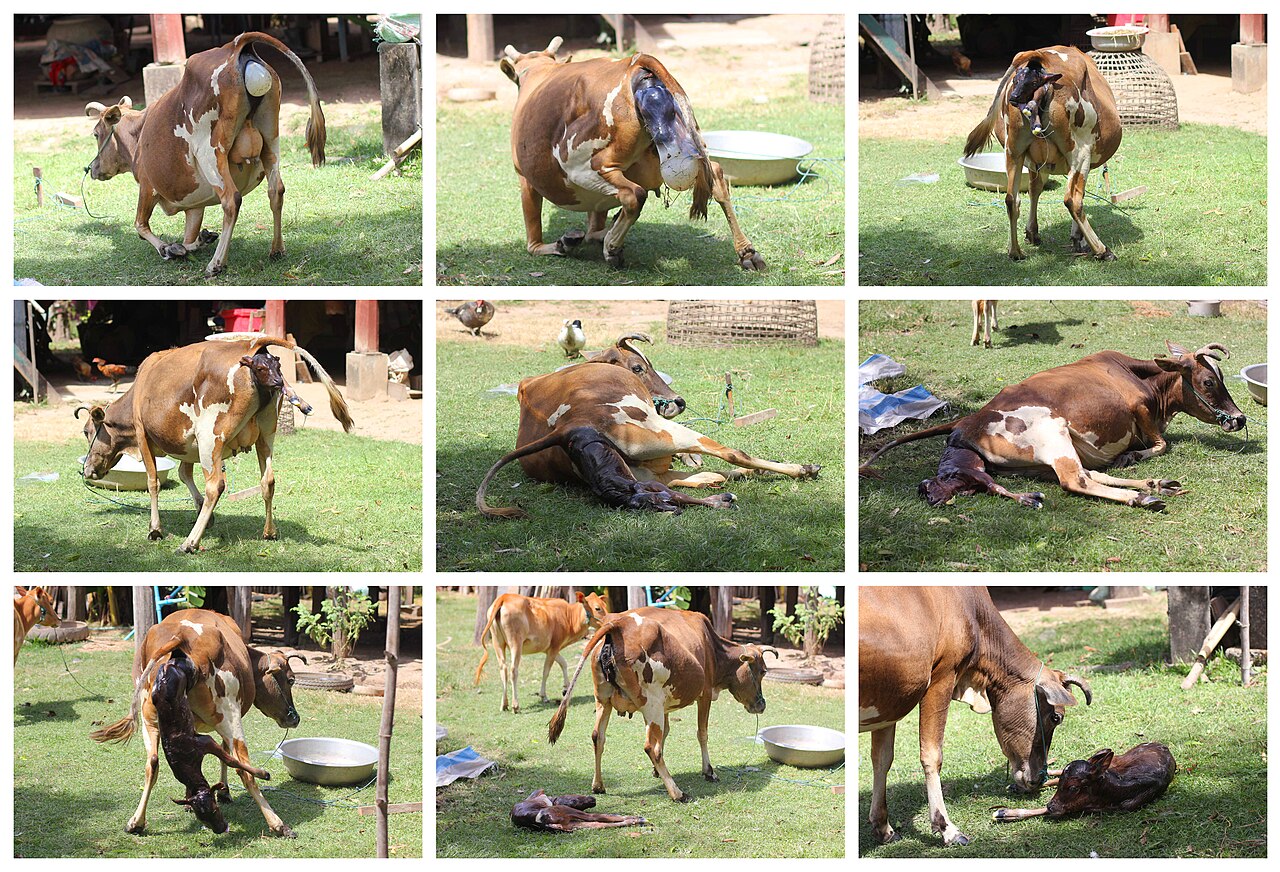


Types and characteristics
Animals reproduce in various ways. Oviparous species lay eggs that develop outside the parent's body; many birds, reptiles, and some fish follow this pattern. Viviparous species give birth to live young—most mammals are viviparous. A third strategy, ovoviviparity, combines features: eggs develop inside the parent and hatch internally or immediately after being laid. These patterns describe broad groups across the animal kingdom including many animal species.
Terminology and livestock
Specific terms exist for birth events in different animals: calving refers to cattle giving birth, whelping to carnivores like dogs, and other terms include lambing (sheep) and foaling (horses). In veterinary and agricultural contexts these distinctions guide management practices such as assistance during delivery and neonatal care.
Human birth: stages and care
Human birth generally proceeds in stages: early labor, active labor, delivery of the baby, and delivery of the placenta. Medical care ranges from routine midwifery to obstetric intervention when complications arise. Monitoring during labor and immediate newborn care—warming, clearing airways, and initiating feeding—are central to reducing risks for both mother and child.
Importance and cultural aspects
Birth is significant biologically, legally and culturally. Societies mark it with naming rituals, registration, and varied beliefs about personhood. Public health efforts focus on safe delivery, maternal health, and neonatal survival to lower mortality and improve long-term outcomes.
Common steps in delivery
- Onset of contractions and cervical dilation
- Active labor and descent of the fetus
- Expulsion: delivery of the newborn
- Afterbirth: expulsion of the placenta and postpartum care
Understanding the biology and social context of birth helps families and professionals prepare for safe deliveries and appropriate newborn care.
Questions and answers
Q: What does birth mean?
A: Birth means when a baby animal comes out of its egg or out of its mother after pregnancy.
Q: Is birth the beginning of life?
A: Birth is sometimes thought of as the beginning of life.
Q: What is calving?
A: Calving is the term used for the process of birth in livestock.
Q: What is whelping?
A: Whelping is the term used for birth in meat-eating mammals.
Q: What happens when an animal is born?
A: When an animal is born, it emerges from its egg or its mother's body after a period of pregnancy.
Q: Does birth only occur in mammals?
A: No, birth can occur in any animal that lays eggs or gives live birth.
Q: What is the significance of birth?
A: Birth is the moment when a new life comes into the world and marks the beginning of a new generation of animals.
Related articles
Author
AlegsaOnline.com Birth (parturition): process, types, and cultural significance Leandro Alegsa
URL: https://en.alegsaonline.com/art/11760