
Galilee: geography, history and cultural significance of northern Israel
Northern Israeli region of rolling hills and the Sea of Galilee, divided into Upper and Lower Galilee; rich in archaeology, agriculture, religious history and modern tourism.
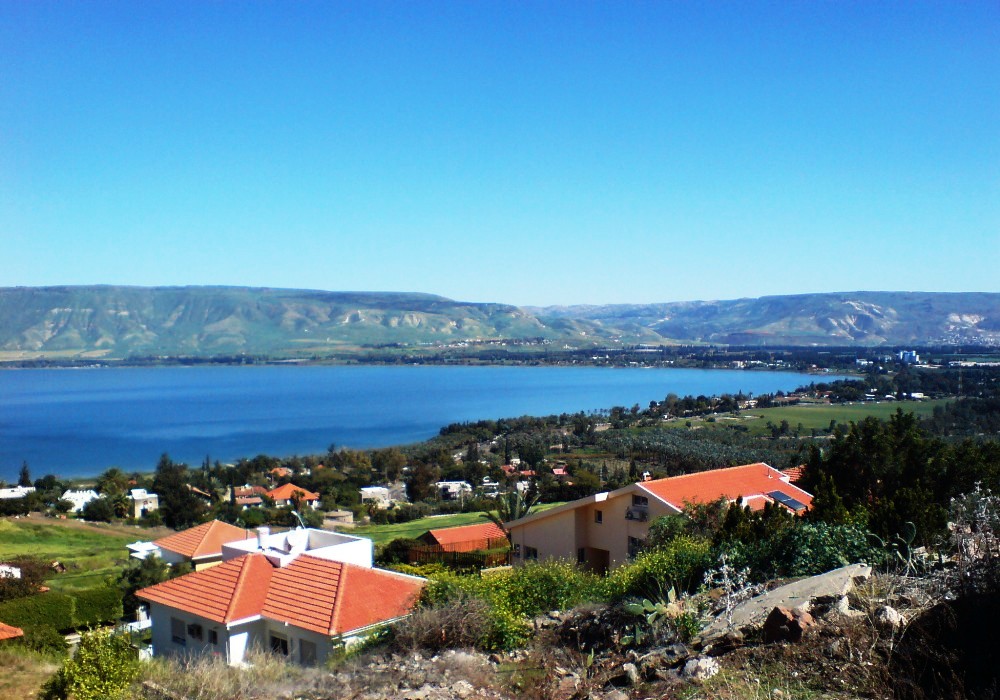
Galilee is a historic and geographically varied region in northern Israel known for its hills, fertile valleys and fresh-water basin centered on the Sea of Galilee (Lake Kinneret). The name appears in several languages: Hebrew (ha-Galil), Latin (Galileia) and Arabic (al-Jaleel). Today it is commonly described as part of northern Israel and continues to be important for its natural resources, settlements and cultural sites (northern Israel).
Image gallery
10 Images



Geography and subdivisions
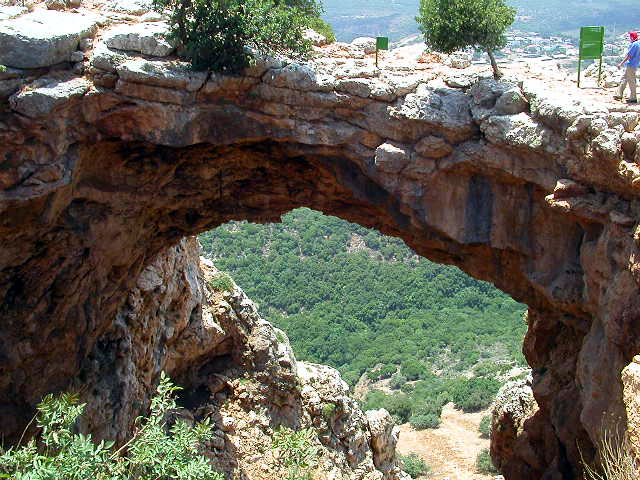
Traditionally Galilee is split into Upper Galilee, a higher, more rugged and forested zone, and Lower Galilee, with gentler slopes, valleys and plains that descend toward the Sea of Galilee. The region receives relatively high rainfall compared with much of the surrounding area, supporting mixed agriculture, orchards and pastures. Rivers and springs feed into the lake, which has long been a key freshwater source for communities in the region.
History and cultural significance
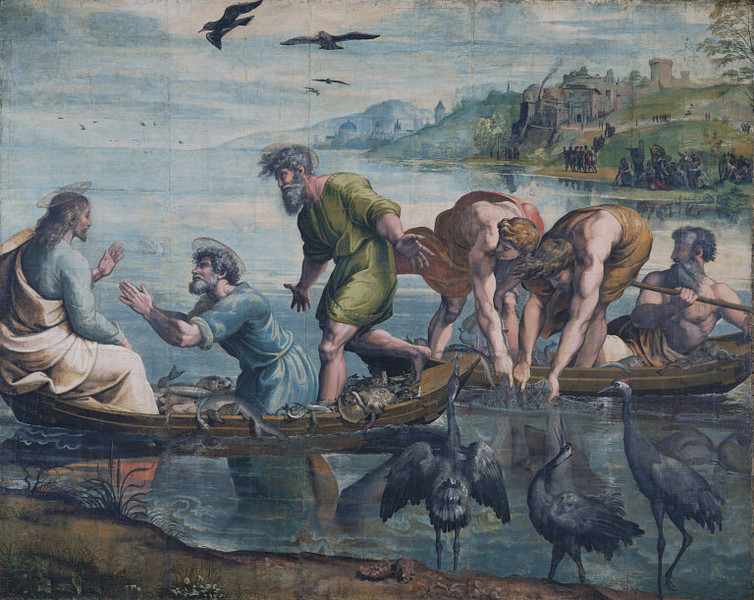
Galilee has a long human presence stretching from ancient periods through classical, Byzantine and Ottoman eras into the modern state. It is frequently mentioned in Christian scriptures and is associated with many episodes in the New Testament (New Testament references). The area also contains Jewish, Christian and Muslim heritage sites and has been a crossroads for trade and culture.
Places, economy and archaeology
Important towns and archaeological sites include Nazareth, Capernaum, and many ancient synagogues and ruins. The local economy mixes agriculture (olives, grapes, vegetables), tourism and small industry. Archaeological excavations have revealed layers of settlements, reflecting changing populations and administrations over centuries.
Notable features
- Distinct Upper and Lower zones with different landscapes and climates.
- Proximity to the Sea of Galilee, a freshwater focal point.
- Rich religious and archaeological heritage drawing scholars and visitors.
- Modern diversity of communities and land uses within a historically charged landscape.
For further general information and maps consult regional references and guidebooks, or follow local cultural institutions that document Galilee's long history and evolving present (Hebrew sources, classical references, Arabic accounts, administrative guides, scriptural studies).
Related articles
Author
AlegsaOnline.com Galilee: geography, history and cultural significance of northern Israel Leandro Alegsa
URL: https://en.alegsaonline.com/art/37291