
Sadhu: Hindu Ascetic Practitioners and Their Way of Life
A sadhu is a Hindu ascetic who renounces worldly aims to seek spiritual liberation. This article outlines their aims, practices, orders, social roles, historical background and contemporary relevance.
A sadhu is commonly understood in the Indian religious landscape as an ascetic or renunciant who devotes life to spiritual practice. Often identified with the practice of yoga, a sadhu may also be called a yogi in some contexts. The defining feature is renunciation of ordinary household goals in order to pursue deeper religious aims.
Image gallery
10 Images




Purpose and spiritual aims
Classical Hindu thought recognizes several aims of life; many sadhus relinquish the first three—kama (sensual pleasure), artha (material prosperity) and, in some approaches, conventional social duty or dharma—to concentrate on ultimate freedom or moksha. Their path emphasizes disciplined practices such as sustained meditation, scriptural study, ethical austerities and contemplative reflection on the nature of God or Brahman.
Types, orders and historical roots
Asceticism in the subcontinent has ancient roots and has produced a wide variety of lineages and orders. Some sadhus live as solitary hermits; others belong to organized monastic groups or akharas. Within these traditions there are differences of emphasis—ritual devotion, philosophical study, strict physical austerities or militant renunciation—and some well-known subgroups are identified by their distinctive practices and dress.
Appearance and daily practices
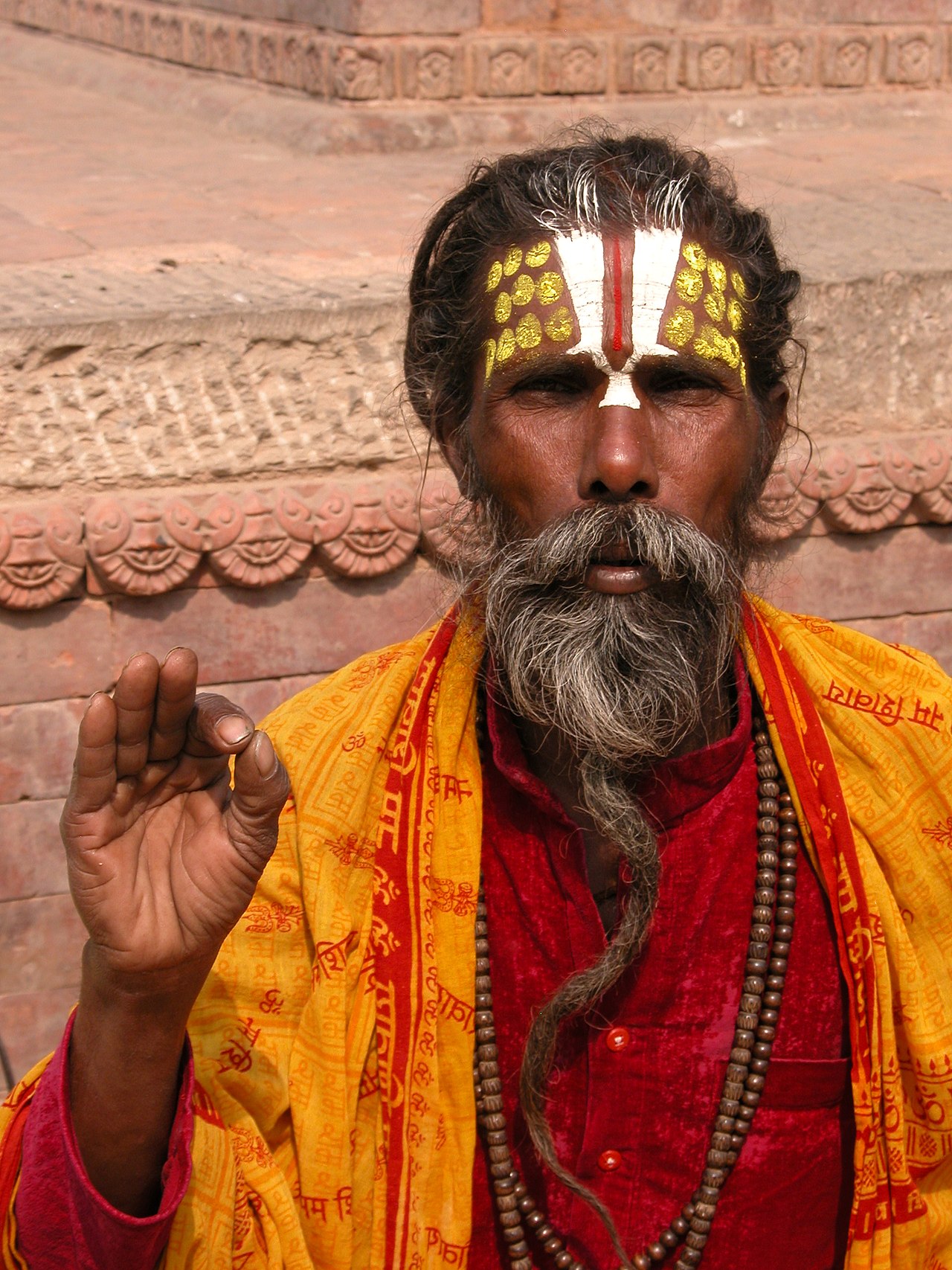
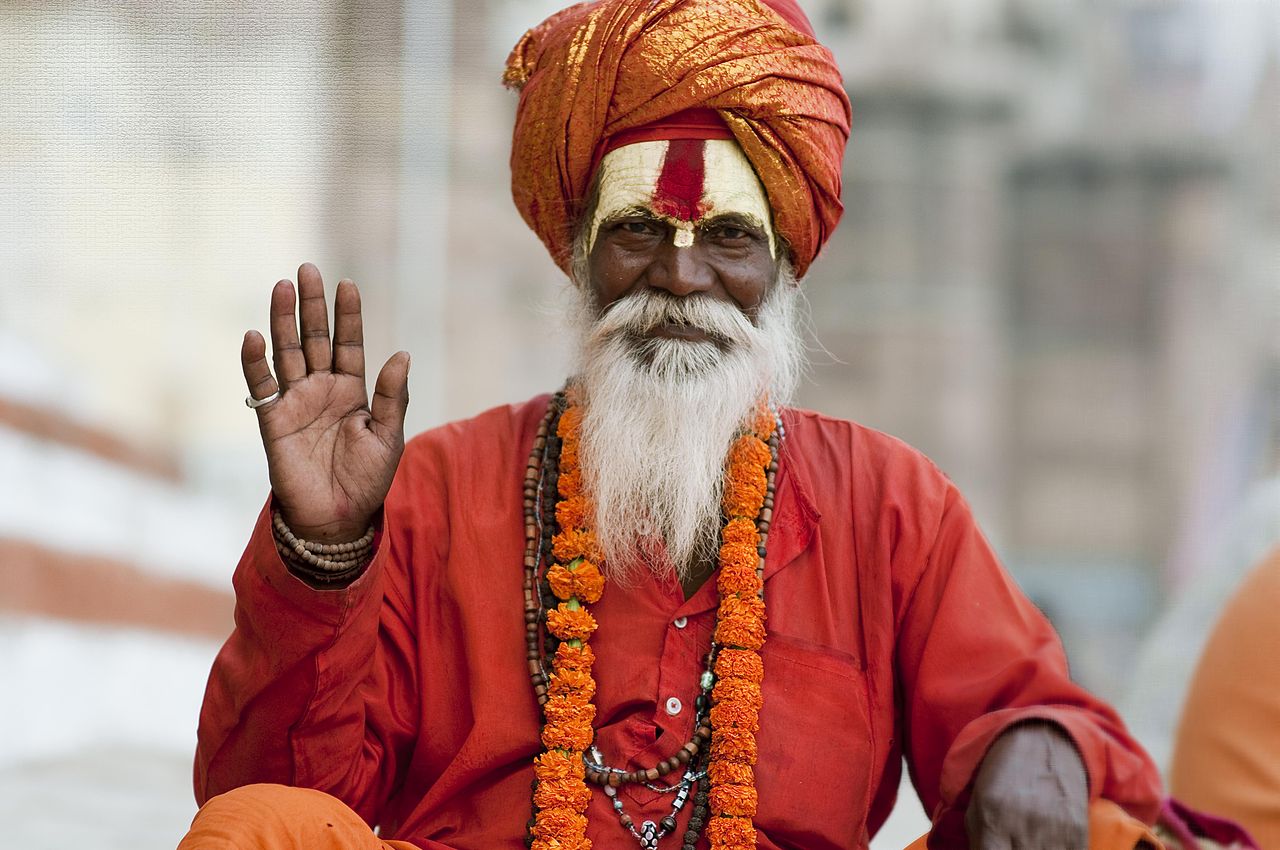
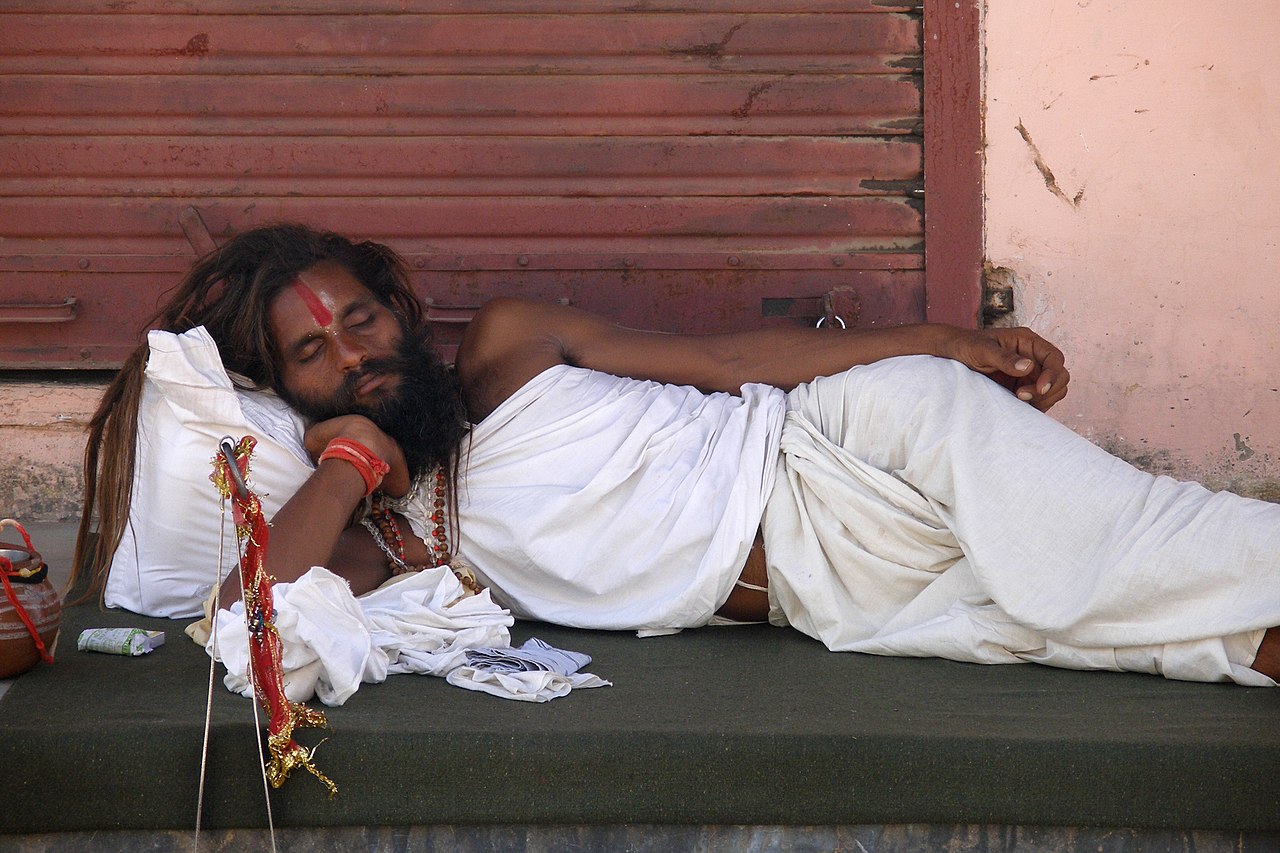
- Dress and symbols: Many sadhus wear simple robes, often in an ochre or saffron hue as a visible sign of renunciation; others adopt ash marks, rudraksha beads or a staff as symbols of their commitment (ochre).
- Regimen: Typical activities include chanting, yoga, prolonged meditation, ritual observances and pilgrimages to sacred sites. Some undertake tapas—deliberate austerities meant to discipline body and mind.
- Subsistence: Many support themselves through alms (bhiksha) or rely on the hospitality of devotees; others dwell in monasteries supported by donations.
Social role and contemporary issues
Sadhus have long served as teachers, ritual specialists and exemplars of renunciation. They take part in major festivals and pilgrimages where large gatherings of renunciants—often seen as sites of spiritual teaching and cultural exchange—are expected. At the same time, their place in society is complex: they are admired for austerity yet sometimes the subject of scrutiny, especially when questions arise about charlatanism, tourism or changing economic pressures. Women who adopt similar renunciant lives are often termed sadhvis and form their own communities or follow mixed traditions.
In modern times some sadhus adapt traditional practices to contemporary concerns, engaging in social work, environmental activism or public teaching, while others maintain a strictly solitary or mystical life. Scholarly and popular discussions of sadhus examine both their spiritual significance and the ways their practices interact with broader social change.
For general introductory resources and related topics see: Hinduism overview, Asceticism, Yoga traditions, Yogi, Dharma, Moksha, Meditation, Concepts of God and ochre robes.
Related articles
Author
AlegsaOnline.com Sadhu: Hindu Ascetic Practitioners and Their Way of Life Leandro Alegsa
URL: https://en.alegsaonline.com/art/85182