
Vulture: ecology, biology, and cultural role
Vultures are large carrion-eating birds found worldwide in two unrelated groups. This article explains their anatomy, behavior, classification, ecological importance, threats, and notable species.
Overview
Vultures are large birds of prey specialized for feeding on carrion—dead or dying animals. Their adaptations, including broad wings for soaring, featherless heads and necks, and highly acidic stomachs, make them efficient scavengers that play a vital role in ecosystems by rapidly disposing of carcasses and limiting the spread of disease.
Image gallery
10 Images



Physical characteristics and adaptations
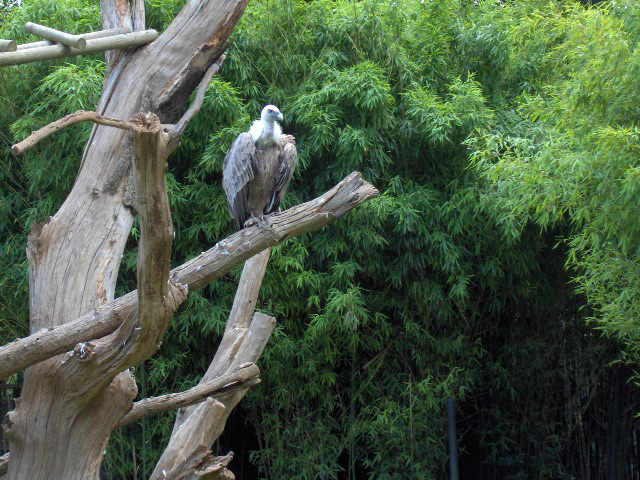
Most vultures have long, broad wings that allow them to ride thermals and glide for long distances with minimal flapping. The often bare skin of the head and neck helps keep the plumage clean when reaching into carcasses. Strong beaks and robust digestive systems permit vultures to consume decaying flesh and neutralize many pathogens that would affect other animals. Some species also show behavioral defenses such as regurgitation or communal roosting to reduce parasites and predation.
Classification and differences
Vultures fall into two distinct groups that look similar due to convergent evolution. Old World vultures, found in Europe, Asia and Africa, are related to eagles and hawks and rely chiefly on vision to locate food. New World vultures, native to the Americas, are more closely related to storks and some species use a keen sense of smell to find carrion. Because of these differences, behavior, anatomy and taxonomy vary between the groups even though both share many scavenging traits.
Behavior, diet and ecology
Vultures are primarily scavengers that detect and consume carcasses, often feeding in groups. Some species follow predators or other scavengers to locate food. Their feeding order and social interactions at a carcass are shaped by body size, dominance and bill strength. By removing carcasses, vultures help recycle nutrients and limit disease vectors. Certain species have been observed using objects to access food—reports include the use of stones to break eggs by species such as the king vulture—illustrating opportunistic problem-solving.
Cultural significance and conservation
Throughout human history vultures have been symbols of death and purification in many cultures and appear in art and literature. At the same time, they provide a sanitation service of enormous value, which has economic and public-health implications. Several vulture species have suffered steep declines from threats such as poisoning, habitat loss, and collisions. A prominent example is the impact of veterinary drugs in parts of Asia that devastated populations of large scavenging species. Conservation efforts include banning harmful substances, establishing safe feeding sites, captive breeding and reintroduction programs.
Notable species and related topics
Well-known New World members include the Andean condor and the black vulture, while Old World groups include several griffons and related forms. The New World clade is often collectively called New World vultures. For further context or related anatomical and ecological topics, see the links below.
- Birds of prey and scavengers
- Carrion and scavenging ecology
- Wing morphology and soaring flight
- Head anatomy
- Featherless adaptations
- Eagles and related raptors
- Hawks and accipitrids
- Visual hunting and sight-based foraging
- Storks and allied groups
- Olfaction in birds
- Symbolism associated with vultures
- Literary appearances
- King vulture behavior
- New World vulture overview
- Andean condor
- Black vulture
Summary: Vultures are a distinctive and ecologically important group of scavenging birds defined by specialized anatomy and behavior. They occur in two unrelated lineages, perform essential sanitation services, face conservation challenges in many regions, and have deep cultural resonance.
Related articles
Author
AlegsaOnline.com Vulture: ecology, biology, and cultural role Leandro Alegsa
URL: https://en.alegsaonline.com/art/106028
Sources
- fossilworks.org : fossilworks.org