
Walleye (Sander vitreus): an overview of the North American gamefish
Walleye (Sander vitreus) is a freshwater perciform fish native to most of Canada and the northern United States, prized by anglers and important to fisheries management.
Overview
The walleye (Sander vitreus) is a freshwater perciform fish native to most of Canada and the northern United States. It is closely related to the European pikeperch and occupies a prominent place in North American inland fisheries. Anglers often prize walleye for its fighting ability and for flesh that is considered mild and flaky when cooked. The name "walleye" refers to the fish’s distinctive, light-reflecting eyes.
Image gallery
10 Images


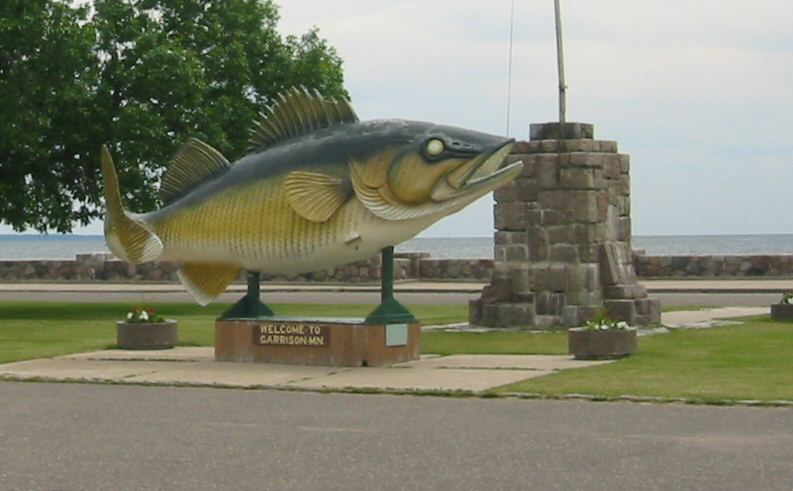
Description and distinguishing features
Walleyes have an elongated, laterally compressed body with two dorsal fins and a mouth filled with sharp teeth adapted for a predatory diet. Their coloration is generally olive to golden on the back, fading to lighter shades on the sides and belly; irregular markings or vertical bars may be present. A notable feature is a reflective layer behind the retina that enhances vision in dim light, contributing to crepuscular and nocturnal feeding behavior.
Habitat and distribution
Walleyes inhabit lakes, reservoirs, and rivers, often favoring clear to moderately turbid waters with cool temperatures. They are common in northern freshwater systems where suitable spawning, feeding, and overwintering habitats exist. Historically the species ranged widely across boreal and temperate North America; a regional form called the blue walleye that once occurred in the southern Great Lakes is now recognized as extinct.
Behavior, diet and reproduction
Primarily piscivorous, walleye feed on smaller fish but will also take insects, crustaceans and other aquatic prey. They are most active at dawn, dusk and at night. Spawning typically occurs in spring when adults move into shallower, rocky or gravelly areas; eggs are deposited and later hatch into free-swimming fry. Growth rates, age at maturity and longevity vary with local conditions.
Human use, management and conservation
Walleye are a major target for recreational anglers and support commercial and subsistence fisheries in some regions. Fisheries agencies commonly use stocking, habitat improvement, and harvest regulations to sustain populations. Threats include habitat alteration, water-quality changes, overharvest in unmanaged waters, and competition or predation from introduced species. Many jurisdictions monitor walleye populations and adjust management measures to balance conservation and angling opportunities.
Notable distinctions
- Common names: walleye, yellow walleye (to distinguish from the now-extinct blue walleye).
- Taxonomy: Sander vitreus belongs to a group of perciform predators related to the pikeperches of Eurasia.
- Fisheries importance: valued for sport, food and cultural significance in many northern communities.
For regional details on identification, fishing seasons and conservation status consult local fisheries resources or government agencies using official guides and management plans.
Related articles
Author
AlegsaOnline.com Walleye (Sander vitreus): an overview of the North American gamefish Leandro Alegsa
URL: https://en.alegsaonline.com/art/106293
Sources
- itis.gov : "Sander vitreus"
- kare11.com : "Walleye or Zander? What are you really eating?"
- fishbase.org : FishBase information on Walleye
- iucnredlist.org : "Sander vitreus"