
Eagle: large diurnal birds of prey — overview, biology and conservation
Eagles are large daytime birds of prey found worldwide. This article explains their traits, classification, notable species, behavior, human relationships and conservation challenges.
Overview
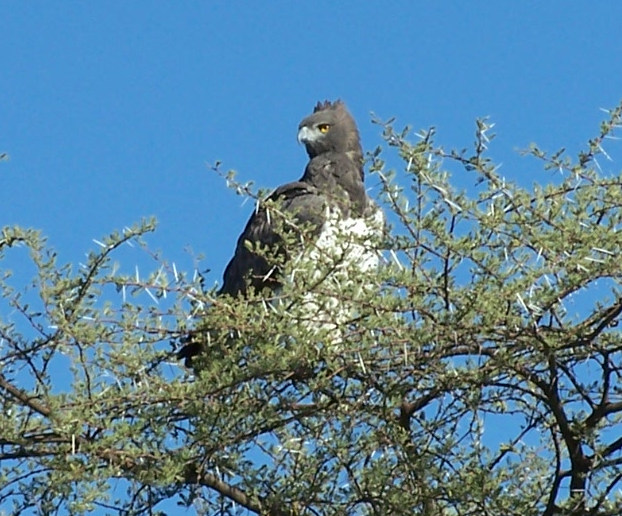
The word "eagle" is a general name applied to many of the largest diurnal birds of prey. Typically powerful hunters with keen vision and strong talons, eagles occur on most continents and in a wide range of habitats. More than sixty species have been described; many are concentrated in Eurasia and Africa. The term is ecological rather than strictly taxonomic: it groups large raptors rather than representing a single, natural lineage.
Image gallery
10 Images




Key characteristics
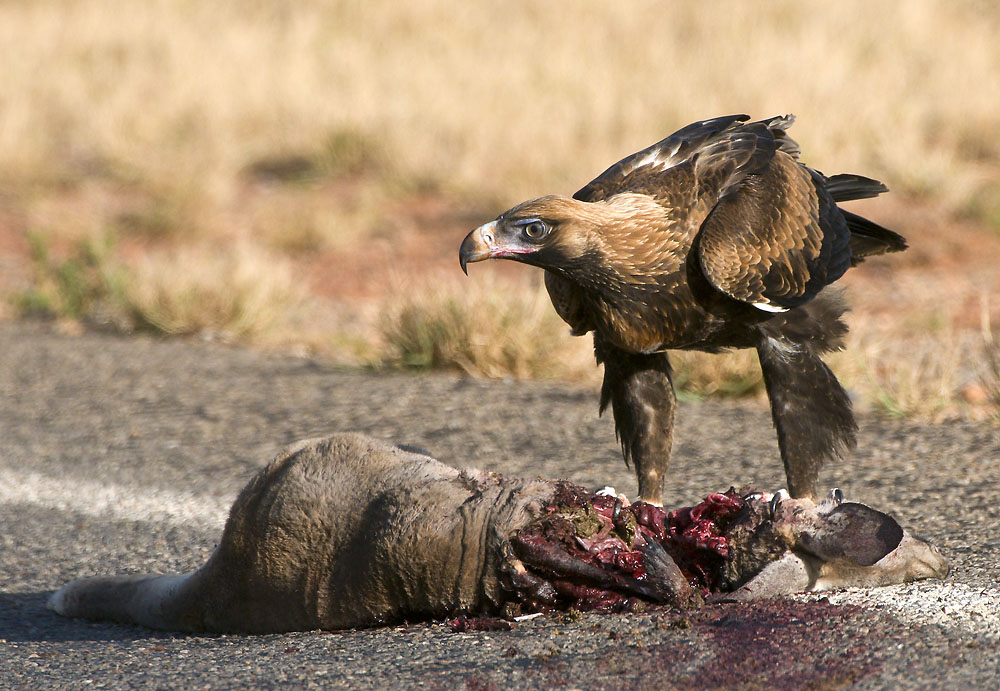
Eagles share a suite of adaptations for predation. Typical features include a robust, hooked beak for tearing flesh, muscular legs and talons for seizing prey, and large wings for sustained flight. Their eyesight is exceptionally acute compared with most other animals, enabling them to detect potential prey from a distance. Many species show sexual size dimorphism, with females larger than males. Some eagles are specialised for hunting fish, while others take medium to large terrestrial vertebrates.
Classification and evolution
Most birds commonly called eagles belong to the family Accipitridae, but the name spans several genera and groups. Because "eagle" describes size and ecological role rather than a single branch of the bird family tree, the various eagle groups are not strictly monophyletic. Notable distinctions are drawn between sea eagles, which often feed on fish and scavenge around water, and so-called booted eagles, which have feathered tarsi and include several forest and mountain species.
Notable extinct and living species
Fossil and historical evidence shows some eagles reached extraordinary sizes. The best-known example is Haast's eagle, an extinct New Zealand species once considered the largest eagle known; it functioned as a top predator on its islands and hunted large flightless birds such as moas before humans arrived. Contemporary examples include the golden eagle, wedge-tailed eagle and the critically imperilled Philippine eagle, each occupying different ecological niches.
Behavior, diet and relationships with other raptors
Eagles are carnivores and principally diurnal hunters. They use their talons to seize prey and their beaks to tear meat. As members of the broader group of birds of prey, they are related ecologically to species often called vultures, falcons and owls, though each of those names covers birds with different behaviours and anatomies. Some human societies have long used large eagles for hunting assistance, most famously golden eagles in parts of Central Asia, while other interactions are symbolic — eagles frequently appear on flags and emblems.
Conservation and threats
Many eagle species face threats from habitat loss, persecution, collisions with man-made structures, and contamination by pesticides and other pollutants. Because eagles are often long-lived, slow-reproducing birds near the top of food chains, declines can be slow to reverse. Conservation measures include habitat protection, legal protection against hunting, captive breeding and rehabilitation, and public education about coexistence.
Further reading
Related articles
Author
AlegsaOnline.com Eagle: large diurnal birds of prey — overview, biology and conservation Leandro Alegsa
URL: https://en.alegsaonline.com/art/29511