
Stork (Ciconiidae): Biology, Behavior, Species and Conservation
Overview of storks (family Ciconiidae): their anatomy, feeding, migration, nesting, notable species, cultural significance and conservation issues.
Overview
Storks are large, long-legged wading birds of the family Ciconiidae. They are typically associated with wetlands, marshes, floodplains and shallow inland waters where they search for food by wading and probing with their bills. The family contains about 19 recognized species distributed across six genera (genera). Storks occur on most continents and occupy a variety of habitats from open wetlands to agricultural fields and coastal lagoons.
Image gallery
10 Images


Physical characteristics and diet
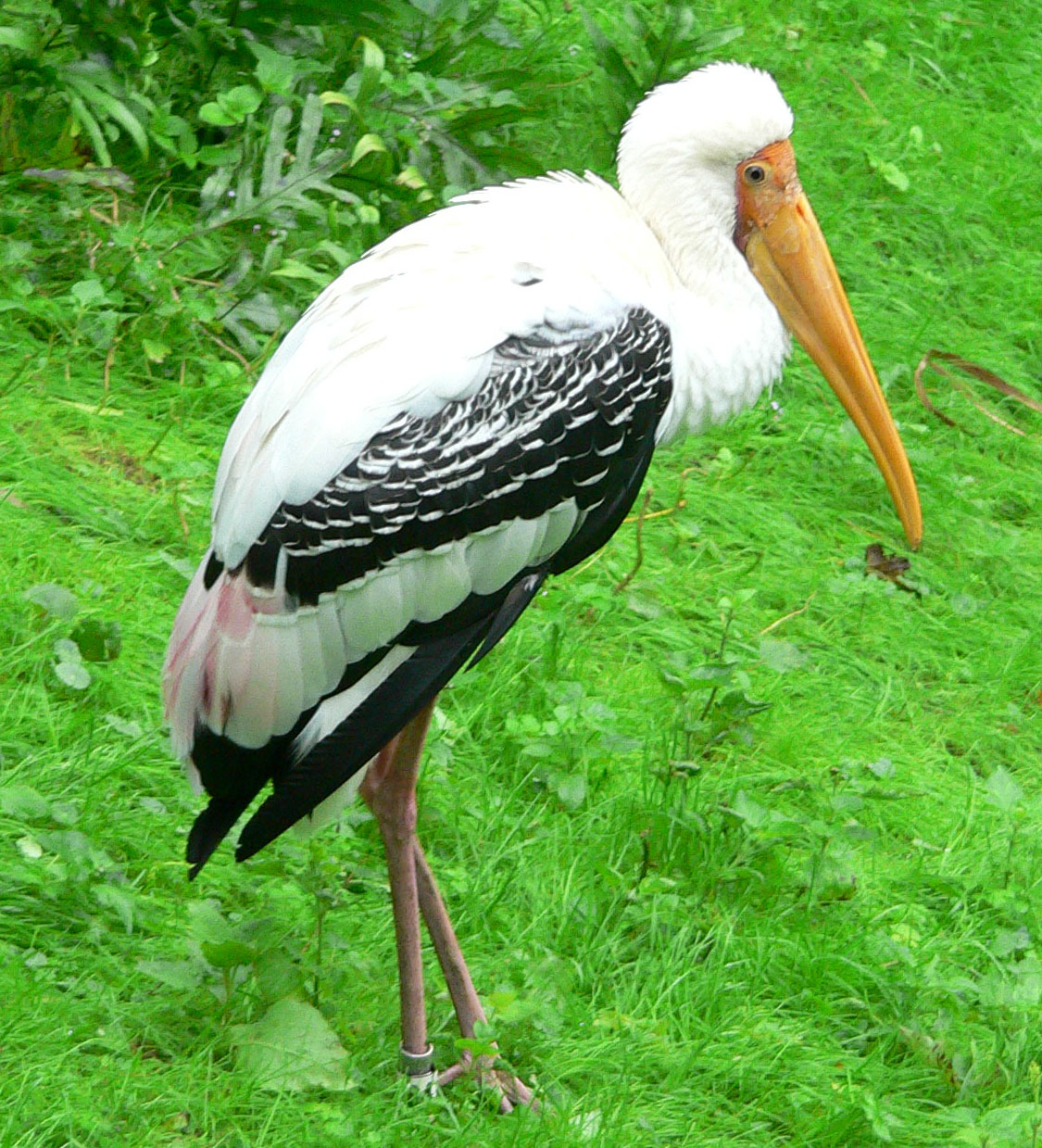
Most storks have long legs, long necks and strong, usually straight bills adapted for grasping, stabbing or probing. Plumage ranges from predominantly white with black flight feathers to largely dark or mottled patterns. Diet is carnivorous and opportunistic: typical prey items include amphibians, small fish, aquatic invertebrates, insects, crustaceans and occasionally small mammals or reptiles. They feed by sight, often walking slowly through shallow water and striking quickly with the bill.
- Amphibians such as frogs and toads are common prey; see resources on amphibian interactions (frogs).
- Crustaceans, including crabs in coastal or estuarine species, form part of the diet (crabs).
- Small fish and aquatic invertebrates are taken where available (fish and invertebrates).
Distribution, migration and behaviour
Many stork species are migratory, moving seasonally between breeding and non-breeding grounds (migration), while others remain resident or show only local movements. Migratory species often use thermals and soaring flight to travel long distances. Social behaviour varies by species: some nest alone and defend territories, others nest in colonies. Storks are noted for their site fidelity: they frequently return to and refurbish the same nest over many years.
Nesting and reproduction
Stork nests are large platforms of sticks and vegetation placed in high locations such as trees, cliffs, or man-made structures. The white stork in particular builds very conspicuous nests on chimneys, rooftops and poles and often reuses them for many breeding seasons (nesting). While traditional accounts emphasised lifelong monogamy (monogamy), modern studies show variation in mating systems and occasional partner changes despite strong nest-site attachment.
Notable species and comparative size
Sizes among storks differ markedly. The marabou stork, native to parts of Africa, is one of the largest species; its wingspan can reach roughly 320 cm and it is frequently compared with other large soaring birds such as the Andean condor (marabou) and (condor). At the other extreme, species like Abdim's stork are relatively small. The well-known white stork breeds across much of Europe and winters in Africa (African wintering).
Human relations, cultural role and conservation
Storks figure prominently in folklore and symbolism in many cultures; the white stork is famously associated with childbirth in European traditions. They contribute to wetland ecosystems by controlling invertebrate and amphibian populations and can indicate habitat quality. Threats include wetland drainage, habitat loss, pollution, disturbance and collisions with power lines. Conservation measures focus on protecting wetlands, safeguarding nest sites and reducing human disturbance.
Taxonomy, identification and research
Classification of the family and the exact number of species have been refined by taxonomists using morphology and genetic data; a current species list and genus-level treatments provide detailed accounts (species list) and (genera). Field identification emphasises size, plumage contrasts, bill shape and behaviour. Flight silhouette and wing pattern are useful for distinguishing species at a distance; wingspan notes and flight mechanics are discussed in specialist literature (wingspan).
Further reading and resources
- Family overview: Ciconiidae
- General avian context and comparative anatomy
- Studies on amphibian prey and interactions
- Dietary studies including crustacean prey
- Foraging ecology and aquatic prey
- Migration patterns and flyway information
- Complete species list and status
- Genera and classification details
- Marabou stork profile and comparisons
- Nesting behaviour and nest site fidelity
- Research on mating systems and fidelity
- Distribution and African wintering grounds
- Flight, wingspan and soaring behaviour
- Comparisons with other large soaring birds
For local identification and conservation actions consult regional field guides and bird conservation organizations represented in the resources above. Observations of nesting sites, migration timing and population trends help inform conservation planning and wetland management strategies.
Related articles
Author
AlegsaOnline.com Stork (Ciconiidae): Biology, Behavior, Species and Conservation Leandro Alegsa
URL: https://en.alegsaonline.com/art/94097