
Feather (bird plumage): structure, function, history, and human uses
Feathers are unique integumentary structures of birds that provide insulation, enable flight, serve in display and camouflage, and have played roles in human culture and technology.
Overview
Feathers are the specialized skin appendages that form the plumage of birds. They are made primarily of keratin and cover most of the avian body, creating a surface that insulates, protects, and — in many species — enables flight. Feathers vary widely in size, shape and function between species and across different body regions of a single bird.
Image gallery
10 Images





Structure and types
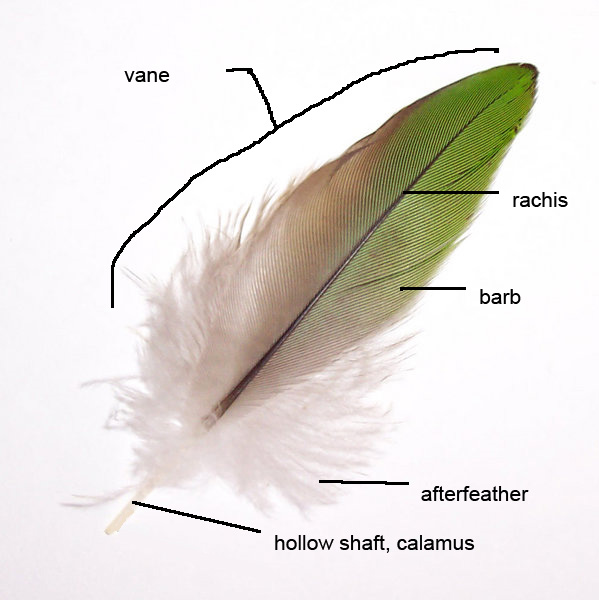
A typical feather has a central shaft composed of the hollow calamus (base) and the rachis (shaft). Extending from the rachis are barbs, which bear smaller barbules and tiny hooklets that interlock to form a coherent vane. Major categories include:
- Flight feathers (primaries and secondaries) on the wing and tail (rectrices), which create aerodynamic surfaces.
- Contour feathers that shape the body outline and streamline the bird.
- Down feathers that are fluffy and trap air for insulation.
- Filoplumes and semiplumes that have sensory and structural roles.
Functions and behavior
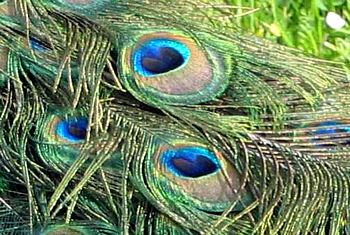
Feathers serve multiple purposes: thermal insulation, waterproofing (often aided by preening and oils from the uropygial gland), visual signaling in courtship and territorial displays, camouflage, and tactile sensing. Color arises from pigments (melanins, carotenoids) and from microstructure that produces iridescent or structural colors.
Evolution, development and maintenance
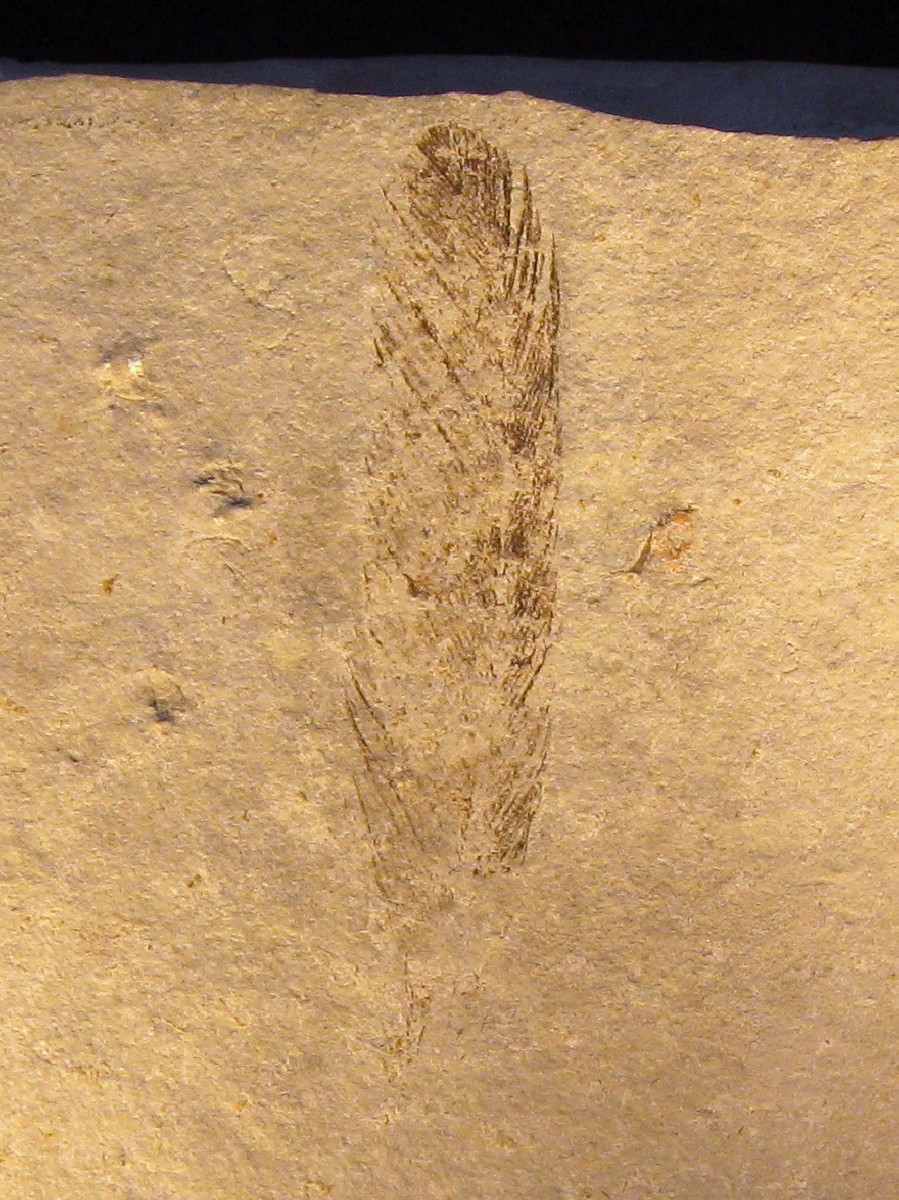
Feathers are believed to have evolved in theropod dinosaurs and are documented in early bird-like fossils such as Archaeopteryx. Individual feathers grow from follicles in the skin and are periodically replaced through molting, a regulated process that maintains flight ability and insulation. Some species undergo complete annual molts, while others have staggered molts.
Human uses, care and notable facts
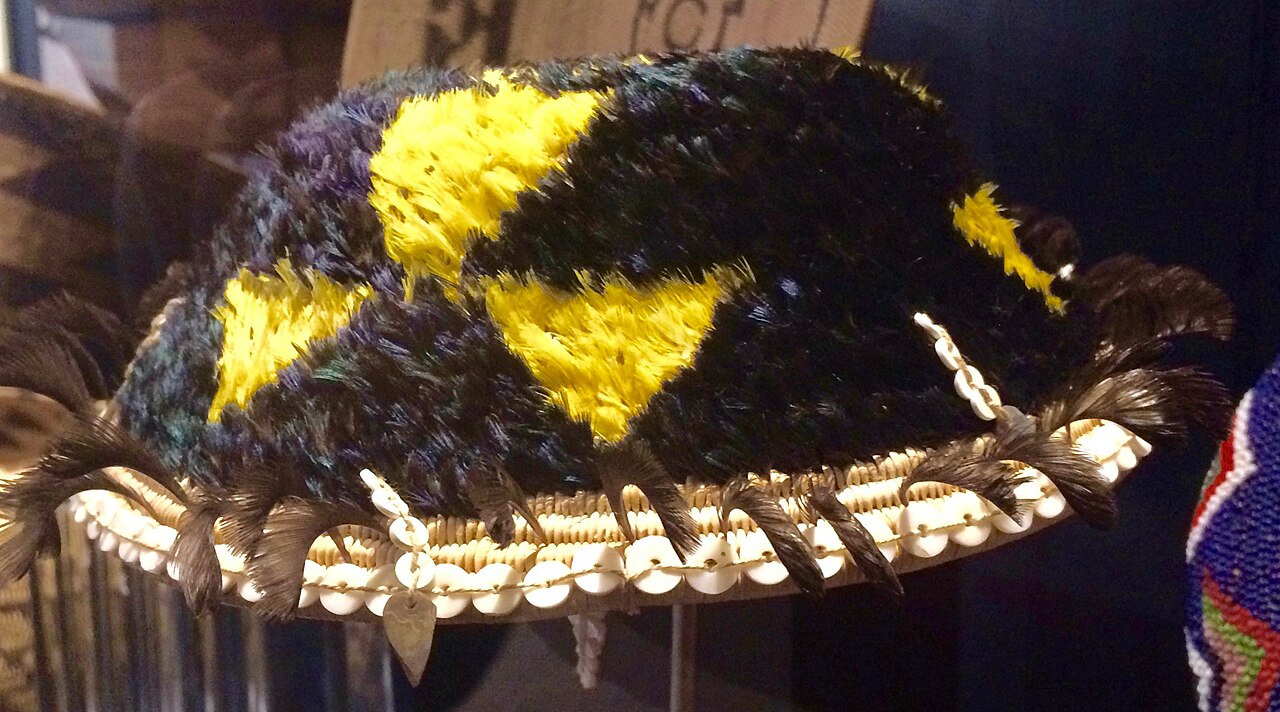
Humans have long used feathers for bedding, insulation, decoration and cultural dress. In aviculture, trimming or clipping flight feathers is practiced to reduce a pet bird's ability to fly; it should be done carefully by trained people to avoid injury. Flightlessness in some birds (for example, ratites) shows how feathers can be maintained even when not used for powered flight. Feathers differ fundamentally from mammalian hair and reptilian scales in structure and development, making them a distinctive evolutionary adaptation of birds and their relatives.
For illustrated references and further reading see general ornithology resources on birds and specialized guides to feather identification and care.


Etymology
The Old German noun mhd. veder[e], ahd. fedara is based on the Idg. root pet- "to dash off or down on something, to shoot off, to fly".
Types of feathers
There are two basic types of feathers that differ in construction. These are, on the one hand, the contour feathers, which encompass the exterior of the body, and on the other hand, the down feathers (also called down or down), which are located under the cover feathers and act as a heat-insulating layer. The cover feathers protect the down feathers from moisture.
Contour springs
The contour feathers (pennae conturae) are further subdivided functionally into:
- body feathers (pennae conturae generales): the covering feathers of the trunk
- Wing feathers (Remiges): They form the actual wing of the wing at hand (hand-wings) and forearm (arm-wings)
- Rectrices: the feathers of the tail.
- Tectrices: the remaining feathers on the wings and tail.
Undersprings
The down or downs (plumae) form the undercoat. In some birds (e.g. ratites) they are not present.
The nestling down, the feathers of the young birds, are not real down, but modified contour feathers. They also protect against the cold.
Special springs
In addition to these two basic types, there are also various special springs:
- Semi-downs (Semiplumae): They are situated between contour feathers and downs and are located at the transition to the districts without body feathers.
- Filamentous or hair feathers (filoplumae): Their follicles are well innervated, they serve the proprioception of feathering. Filamentous feathers are absent in ostriches and cassowaries.
- Bristle-feathers (Setae): They replace the eye-lashes, with some bird-types, they are trained as Nasalborsten also at the nostrils.
- Powder feathers (pulviplumae): These are present in some birds (e.g. pigeons, waterfowl) and produce a fine, water-repellent dust of keratin granules.


Related articles
Author
AlegsaOnline.com Feather (bird plumage): structure, function, history, and human uses Leandro Alegsa
URL: https://en.alegsaonline.com/art/33781
Sources
- commons.wikimedia.org : Feathers