
Wagtail (Motacilla): small long-tailed insectivorous birds
Wagtails are slender, long-tailed passerines known for constant tail-wagging. They are insectivorous, often live near open ground or water, and include familiar species like the white and Japanese wagtails.
Overview
Wagtails are small passerine birds in the family Motacillidae, characterized by a slim build and an unusually long tail that they often pump or wag while walking. The group includes roughly twenty species found across much of Europe, Asia, Africa and parts of Australasia. Many species are plainly patterned, while others show striking color in breeding plumage. Several are familiar near towns and farmland.
Image gallery
10 Images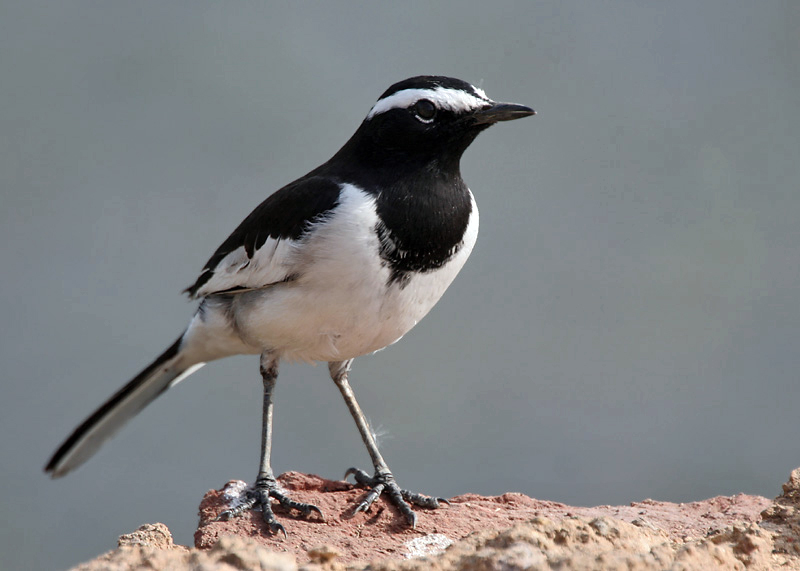



Physical characteristics
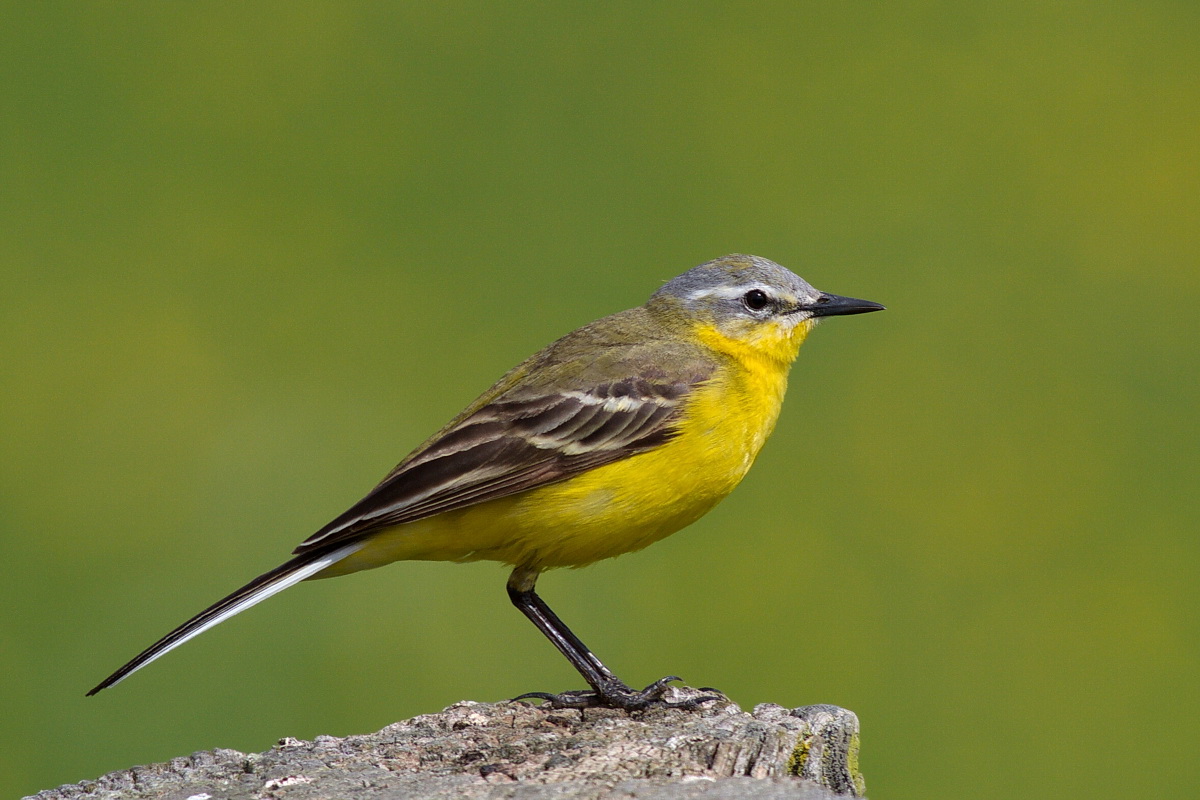
Wagtails have a fine, insect‑catching bill, relatively long legs and a notably long tail which they frequently flick up and down. Plumage varies by species and season: some, like the white wagtail, are contrasting black-and-white, while others may display greys, yellows or olive tones. Tail length and wing shape suit an active, ground-feeding lifestyle.
Behavior and ecology
These birds are primarily insectivorous, feeding on a variety of invertebrates captured on the ground or in short aerial sallies. The characteristic tail-wagging has been interpreted as a means to flush prey, maintain balance, or communicate with conspecifics. Breeding behavior typically involves a cup-shaped nest placed in sheltered sites such as banks, buildings or low vegetation.
Distribution, migration and habitat
Wagtails occupy open habitats—meadows, riverbanks, estuaries and farmland. Some species are sedentary, while others undertake seasonal migrations between temperate breeding grounds and warmer wintering areas. The Japanese wagtail and other regional species may be largely resident where conditions remain favorable.
Human significance and common species
Wagtails adapt well to human-altered landscapes and are frequently seen near people. Notable species include the white wagtail, yellow wagtail, grey wagtail and Japanese wagtail. They are of interest to birdwatchers and have been subjects in behavioral studies because of their conspicuous movements and adaptability.
Relations and distinctions
Wagtails are closely related to pipits and longclaws within Motacillidae. They differ from pipits mainly in tail behavior, posture and some aspects of plumage. For more detailed species accounts and identification tips, see a regional field guide or online resources such as specialist bird pages.
Related articles
Author
AlegsaOnline.com Wagtail (Motacilla): small long-tailed insectivorous birds Leandro Alegsa
URL: https://en.alegsaonline.com/art/106128