
Andean condor (Vultur gryphus): description, behavior, and conservation
Large South American vulture of the high Andes. A soaring scavenger with the Western Hemisphere's largest wingspan; culturally important and of conservation concern due to habitat loss and poisoning.
Overview
The Andean condor (Vultur gryphus) is a large scavenging bird native to the Andes and nearby Pacific coasts of western South America. It belongs to the group known as New World vultures and is famed for an enormous wingspan that makes it the largest flying land bird in the Western Hemisphere. Primarily a carrion feeder, the species plays an important ecological role by consuming dead animals and recycling nutrients.
Image gallery
10 Images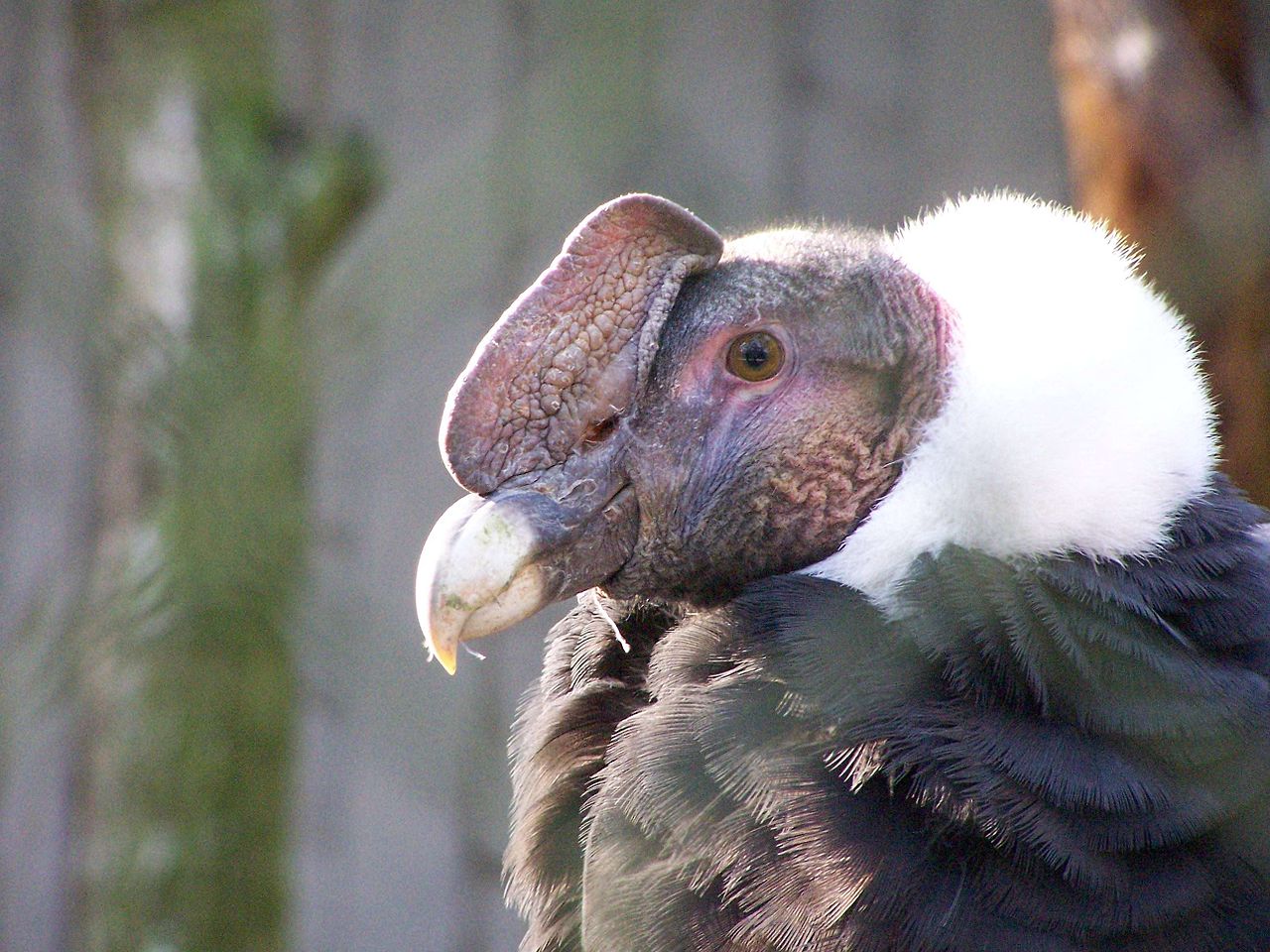






Physical characteristics
Adults have predominantly black plumage with distinctive white markings: a broad white ruff around the neck and, in many individuals, large white patches on the wings. Males are generally larger than females and may develop a fleshy comb or caruncle on the head. Typical measurements recorded in captive and field studies show wingspans commonly between 274 and 310 cm, and overall body lengths around 117–135 cm. Weight varies by sex, with males often heavier than females.
Range, habitat and flight
The species inhabits mountainous regions of the Andes and adjacent Pacific coastal areas across western South America. It favors open highland and alpine zones where thermal updrafts are plentiful. These thermals allow condors to soar with minimal wing flapping while searching wide areas for food, enabling long-distance travel between feeding sites and communal roosting cliffs.
Diet and behavior
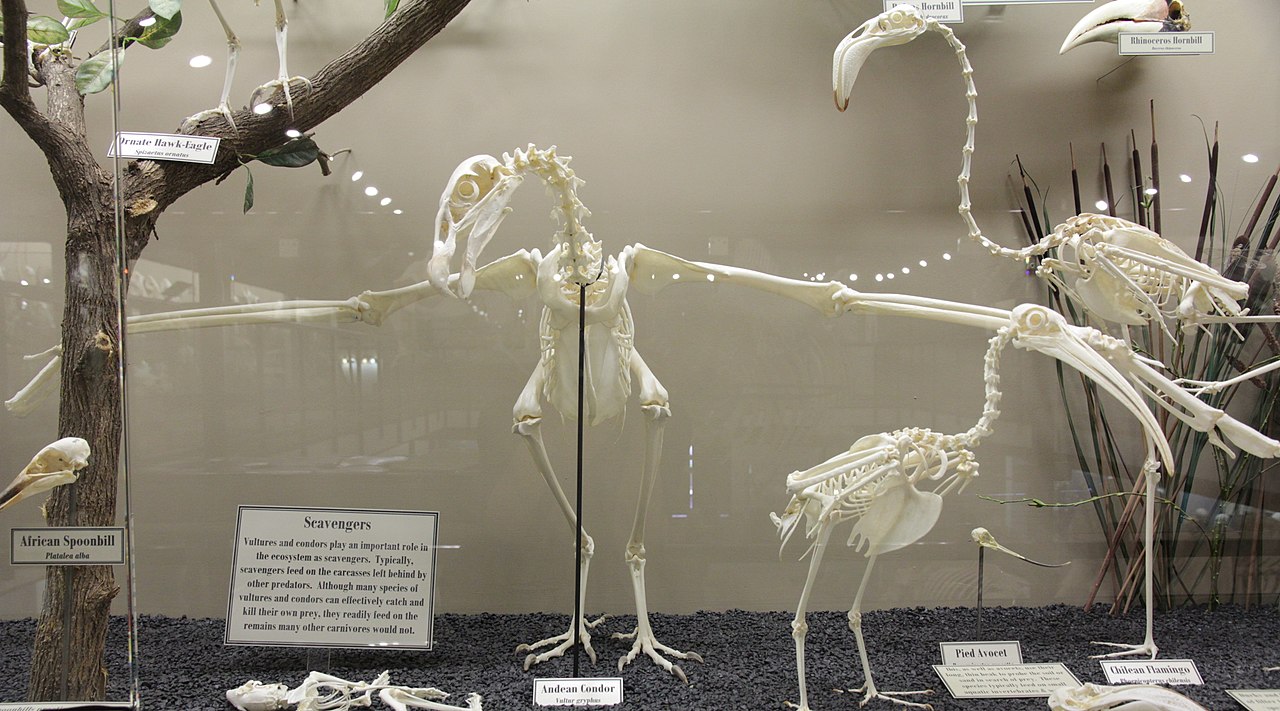
Andean condors are obligate scavengers that feed mainly on carrion. They locate carcasses visually and by following other scavengers; they rarely, if ever, hunt live prey. Social feeding is common at plentiful food sources, and groups may include several birds. Reproduction is slow: condors typically nest on remote cliff ledges or in caves, produce a small clutch, and invest considerable parental care in each chick.
Taxonomy and comparisons
Classified within the order traditionally associated with raptors, the Andean condor is a member of the New World vulture assemblage rather than the Old World vultures. It is often compared to the California condor; while the California species can be slightly longer in body length, the Andean condor typically exceeds it in wingspan and overall bulk. For broader context see entries labeled vulture and general bird resources.
Conservation, threats and cultural role
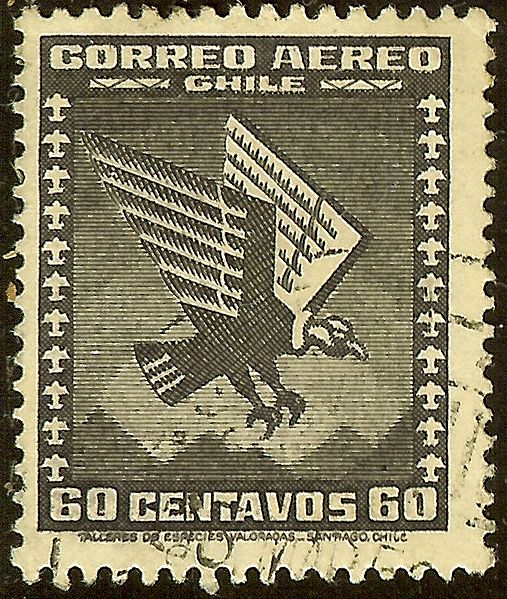
Populations have declined in parts of their range and the species is considered of conservation concern. Major threats include habitat alteration, intentional and accidental poisoning from contaminated carcasses, diminished food availability, and collisions with human structures. Conservation efforts include captive-breeding and reintroduction programs, protected-area management, and community outreach to reduce poisoning and persecution. The Andean condor holds strong cultural and symbolic importance across the highlands: it appears as a symbol on the coats of arms and in folklore of several Andean nations, and is widely regarded as an emblem of the region's natural heritage.
Further reading
Related articles
Author
AlegsaOnline.com Andean condor (Vultur gryphus): description, behavior, and conservation Leandro Alegsa
URL: https://en.alegsaonline.com/art/3886