
New World vulture (Cathartidae): overview, characteristics and conservation
New World vultures (family Cathartidae) are carrion-eating birds of the Americas noted for their sense of smell, bare heads, soaring flight and key ecological role; some species are endangered.
Overview
New World vultures are a group of large, primarily scavenging birds native to the Americas. They belong to the family Cathartidae and are adapted to locate and consume dead or dying animals. The family contains seven widely recognized species distributed among five genera; four of those genera are monotypic. The two largest members of the group are commonly called condors.
Image gallery
10 Images


Key characteristics
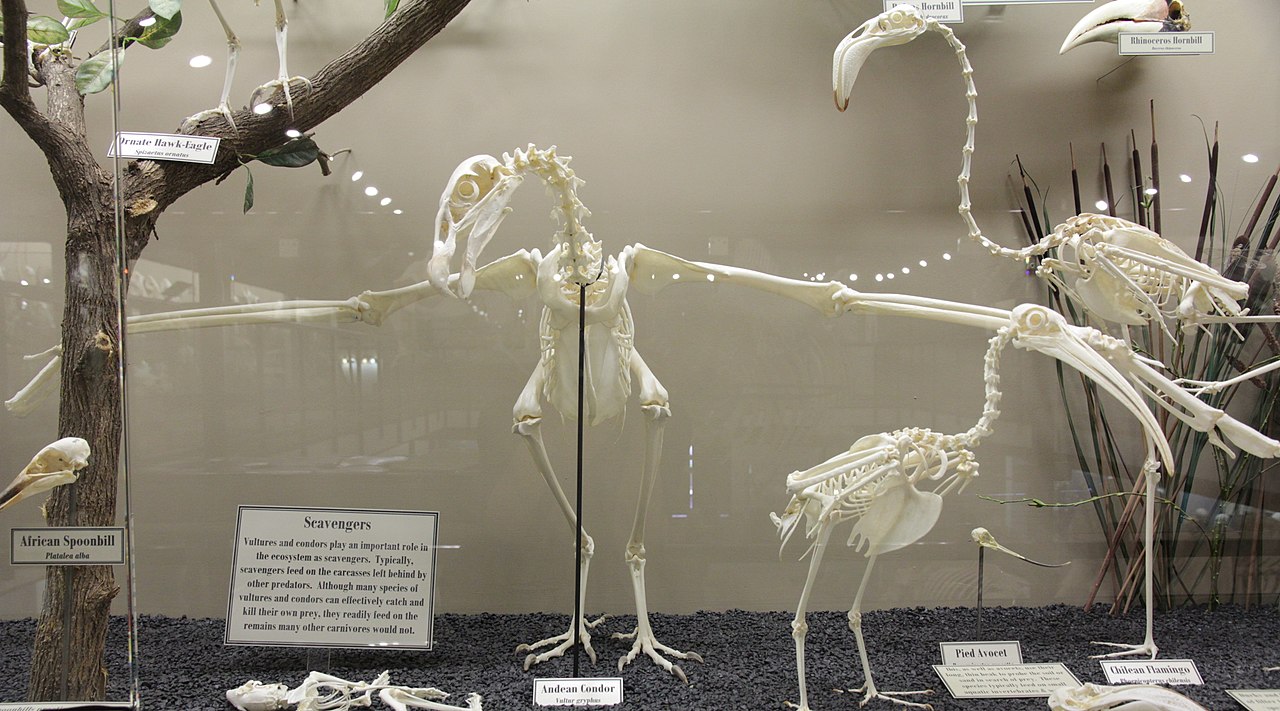
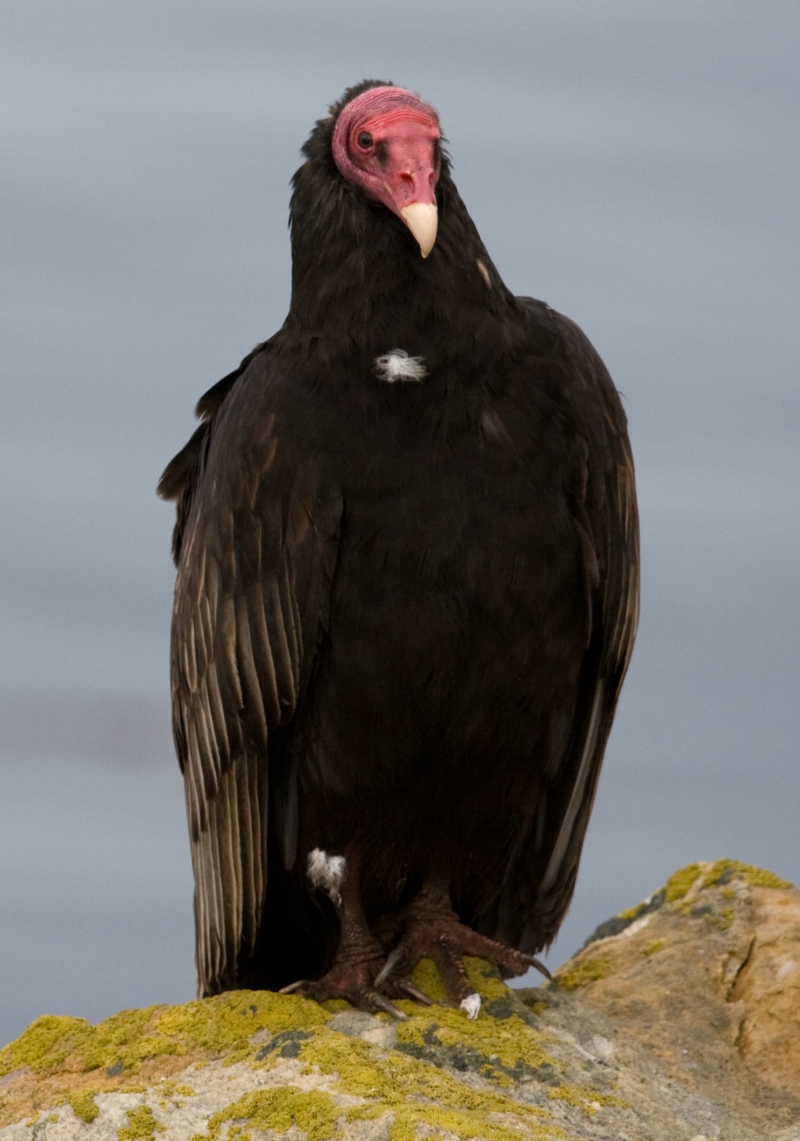
New World vultures share several features that suit a scavenging lifestyle. Many species have a largely featherless head and neck, which reduces contamination when feeding on carcasses. Their beaks are strong and hooked for tearing flesh, and their digestive systems tolerate high levels of bacteria found in carrion. A notable difference from most other diurnal birds of prey is their well-developed sense of smell; some species can detect the odor of decay beneath forest canopies.
- Flight: adapted for soaring on thermal updrafts with long broad wings and efficient wing-locking structures that conserve energy.
- Locomotion: while some vultures hop when moving on the ground, many of the New World species walk with a deliberate gait.
- Nostrils: the nostril openings typically form a continuous hole from one side of the beak to the other, a distinctive anatomical trait.
Taxonomy and evolutionary notes
The family name Cathartidae derives from a Greek word meaning to clean or purge, reflecting their ecological role. Their exact evolutionary relationships have been debated; however, it is clear that New World vultures are not closely related to Old World vultures despite many superficial similarities. These similarities are an example of convergent evolution, where unrelated lineages develop comparable adaptations to similar ecological niches.
Ecology, behavior and importance
As obligate or facultative scavengers, New World vultures perform a vital ecosystem service by rapidly removing carrion, which helps limit the spread of disease. They use a combination of olfactory and visual cues to find food; for example, some Cathartes species are known to use smell to detect gases released by decaying flesh, while others rely more on sight. Vultures often feed in groups and can dominate carcasses because their digestive systems neutralize many pathogens.
Species examples and conservation
The family includes familiar birds such as the turkey vulture, black vulture and the large condors, plus several yellow-headed vultures and the king vulture. In total, there are seven species commonly recognized. Many populations face threats from habitat loss, poisoning (intentional and incidental), and collisions with human structures. Conservation actions range from legal protection and habitat management to captive-breeding and reintroduction programs; the California and Andean condors are notable examples of species that have been the focus of intensive recovery efforts.
Notable distinctions and facts
New World vultures can be distinguished from Old World vultures by their keen olfactory abilities, differences in skull and nasal anatomy, and by their evolutionary history. They illustrate how similar environmental pressures can produce analogous forms in different continents. For readers seeking further identification, natural history or conservation details, consult specialist references or regional field guides via resources such as New World vulture overviews and conservation portals (Americas-focused sites, family accounts). Additional species lists and status summaries are available from ornithological databases and local wildlife organizations (species lists, condor recovery pages).
Related articles
Author
AlegsaOnline.com New World vulture (Cathartidae): overview, characteristics and conservation Leandro Alegsa
URL: https://en.alegsaonline.com/art/69638