
Head: structure, functions, meanings, and common uses
Overview of the head as an anatomical region, its parts and functions, common conditions, cultural uses and idioms, and secondary meanings of the word in language and everyday life.
Overview
The head is the uppermost part of the body that contains the brain and primary sensory organs. It houses the central nervous system's control center — the brain — and the structures used for seeing, hearing, smelling, tasting and speaking. The visible front portion is the face, which communicates identity and expression.
Image gallery
10 Images






Anatomy and main parts
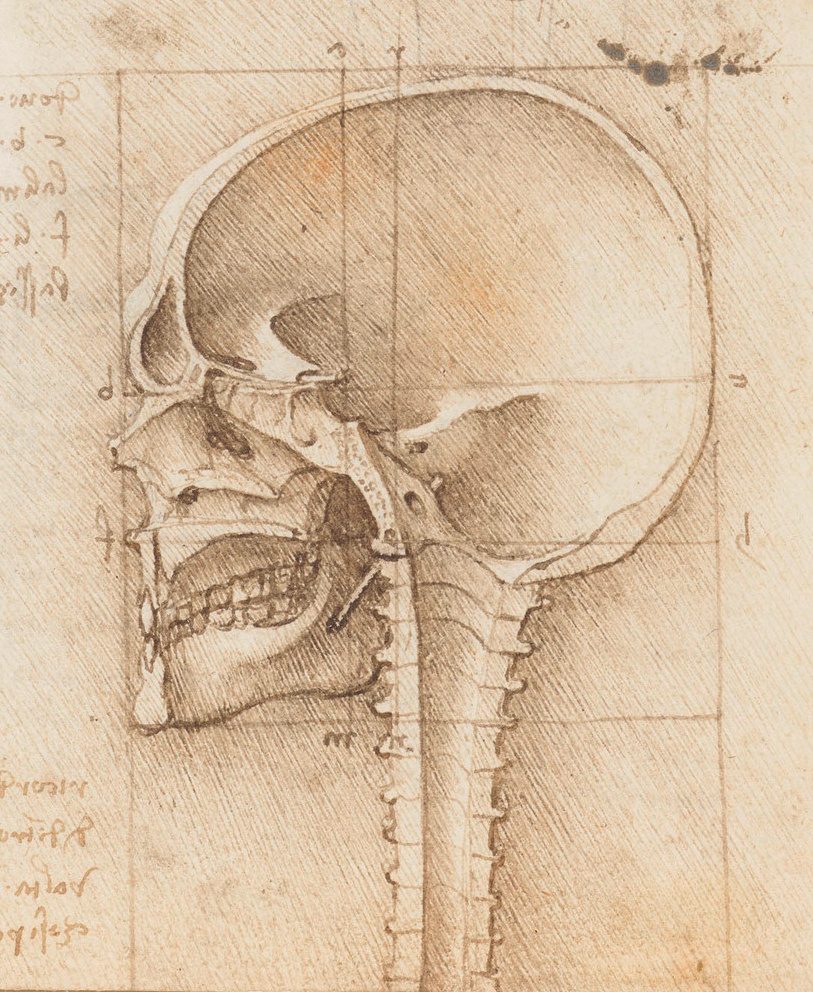
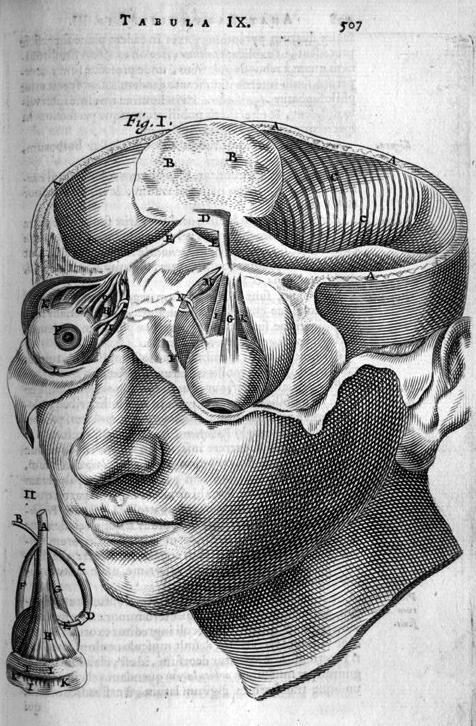
Major components of the head include the skull (a protective bony case), the brain, eyes, ears, nose, mouth and related soft tissues. Muscles of facial expression, salivary glands, teeth and the upper airway are all situated in and around the head. Together these parts enable perception, cognition, verbal communication and feeding.
Health and common conditions
Pain experienced in the head ranges from mild and temporary to severe. Frequent, short-lived discomfort is commonly called a headache, while more incapacitating episodes with associated visual changes or nausea are often described as migraines. Other head-related concerns include trauma, infections, and dental or sinus problems.
Clothing, adornment and practical uses
People commonly wear items on the head for warmth, protection or fashion. Examples are simple accessories such as a headband or more structured coverings like a hat. Helmets and veils are other culturally and functionally important head coverings.
Language, idioms and extended meanings
In English the word "head" has many figurative senses. It can mean a leader or chief (for example, "the head of an organization") or the foremost part of an object, as in "headline" referring to prominent text on a newspaper front page (headline). Idioms such as "keep a cool head" or "heads will roll" use the term metaphorically.
Notable distinctions and everyday importance
- Biological: the head contains organs essential for sensing the world and coordinating responses.
- Cultural: hairstyles, coverings and ornaments often signal identity, status or belief.
- Linguistic: "head" is versatile in idioms and technical terms across contexts.
Taken together, the head is central to physical survival, interpersonal communication and cultural expression. For basic anatomy and common first-aid guidance consult reputable medical sources or a healthcare professional for diagnosis and treatment.
Related articles
Author
AlegsaOnline.com Head: structure, functions, meanings, and common uses Leandro Alegsa
URL: https://en.alegsaonline.com/art/43031