
Hawk (birds of prey)
Hawks are medium to large birds of prey known for keen eyesight, hooked beaks and sharp talons. The term covers 'true' Accipitrinae hawks and, in broader use, several raptor groups with varied ecology and cultural roles.
Overview
Hawks are a group of predatory birds commonly recognized for their speed, vision and hunting skill. The label "hawk" is used in different ways: in ornithology it often identifies the "true hawks" of the subfamily Accipitrinae, while in everyday language it can be applied more widely to several kinds of raptors, including some eagles, kites and buzzards. In general discourse the word simply signifies a bird of prey or raptor notable for aerial hunting.
Image gallery
6 Images



Identification and key characteristics
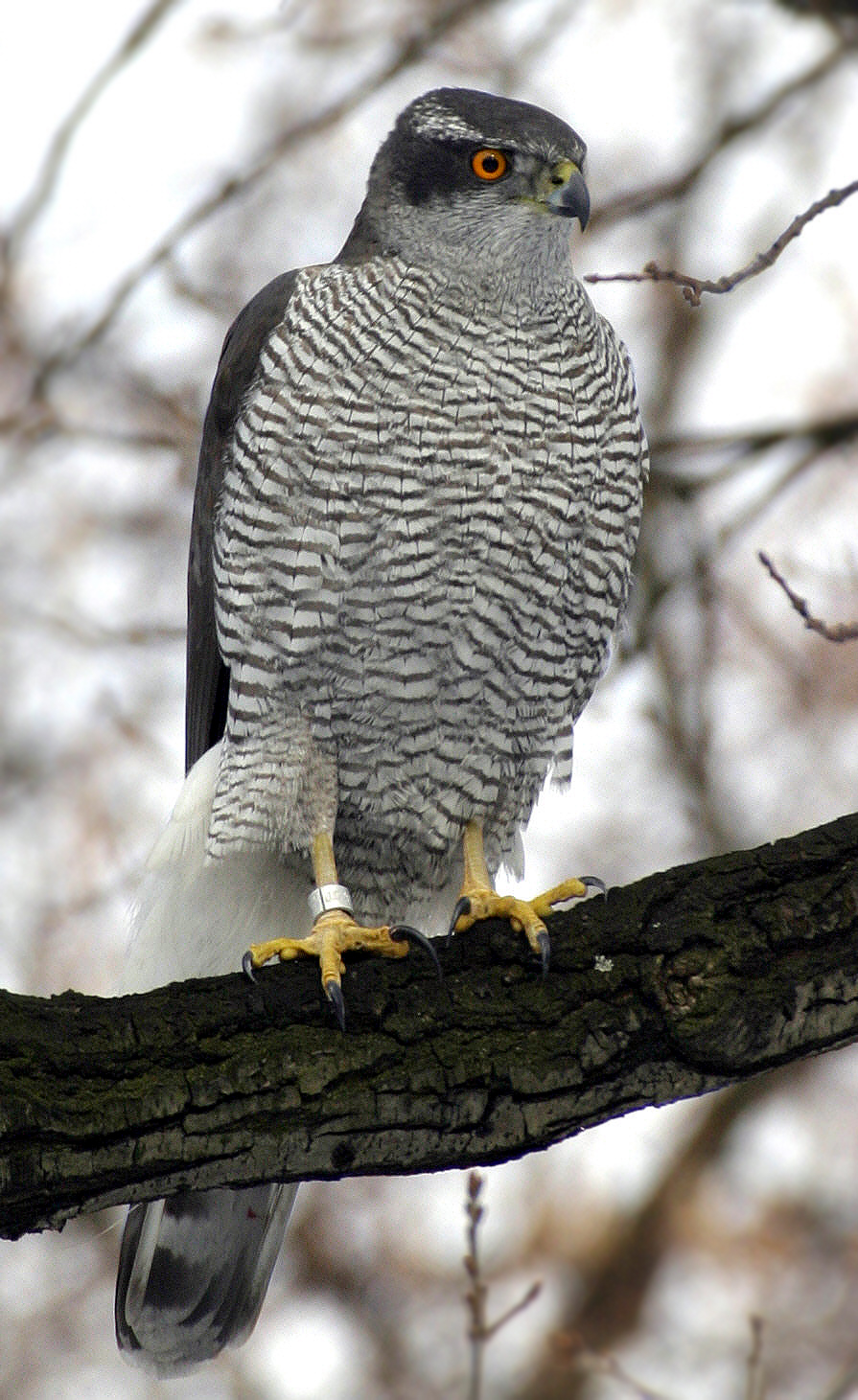
Hawks share several features that help identify them in the field: a hooked beak for tearing flesh; strong feet with curved talons for seizing prey; compact, muscular bodies; and excellent eyesight that allows them to detect movement at distance. Plumage varies by species and age, but many have streaked or barred patterns on the chest and long tails that assist in agile flight. Sexual size dimorphism is common in many hawk species, with females often noticeably larger than males.
Taxonomy and variation
Within scientific classification, the term "hawk" most strictly applies to members of the genus Accipiter and related genera in the Accipitrinae subfamily. These birds — for example goshawks and sparrowhawks — are typically adapted to hunting birds and small mammals in wooded environments. However, non-specialists sometimes call broad-winged or large-bodied raptors "hawks" as well, so the common name overlaps with groups that are taxonomically distinct.
Habitat, diet and behavior
Many Accipitrine hawks favour wooded or edge habitats where they can use cover and perches to ambush prey. Typical hunting tactics include short, rapid flights from a hidden perch and agile pursuit through trees. Diets are varied across species and may include birds, rodents, reptiles and large insects. Some hawks are migratory — moving seasonally between breeding and wintering grounds — while others are largely resident in their range.
Human connections and conservation
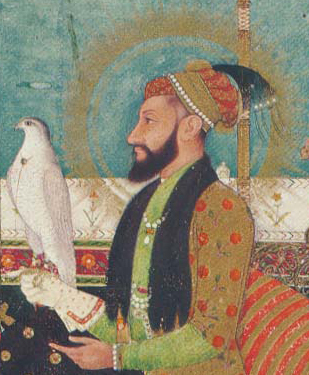
Hawks have long been important in human culture and practice: they feature in mythology, have been trained for falconry, and are valued as indicators of ecosystem health. Conservation statuses vary widely by species; some hawks are common and adaptable, while others have declined due to habitat loss, persecution, collisions, and environmental pollutants. Conservation measures commonly include habitat protection, legal protection, and monitoring programs.
Distinctions and notable facts
- "True hawks" (Accipitrinae) are often called "hen-hawks" or "wood-hawks" because of their woodland habits and tendency to prey on birds.
- Hawks differ from falcons (family Falconidae) in anatomy and hunting style; for example, falcons typically kill with their beaks while many accipitrids use their feet and talons.
- Common common names can be ambiguous — in different regions "hawk" might refer to species that are not closely related — so scientific names give precision when needed.
For further general reading on raptors and individual species, consult summaries of birds of prey and specialized accounts of the woodland hunters and their hunting strategies. Additional authoritative resources can be found through avian reference pages and conservation organizations linked here: Raptors overview, Accipitrinae, Woodland ecology, Predation tactics, Eagles and relatives, Kites, Buzzards.
Questions and answers
Q: What is a hawk?
A: A hawk is a medium to large-sized bird of prey that is used as a common term.
Q: What is the subfamily Accipitrinae?
A: The subfamily Accipitrinae is a subfamily of the Accipitridae, which is often called the "true" hawks.
Q: What are some examples of hawks?
A: Goshawks and sparrowhawks are examples of hawks.
Q: What is the hunting style of accipitrine hawks?
A: Accipitrine hawks hunt by sudden dashes from a concealed perch.
Q: What is the primary prey of accipitrine hawks?
A: The primary prey of accipitrine hawks is birds.
Q: Why are accipitrine hawks also called "hen-hawks" or "wood-hawks"?
A: Accipitrine hawks are called "hen-hawks" or "wood-hawks" because of their woodland habitat.
Q: What is the difference between the male and female hawk?
A: Within the hawk species, the female is generally larger than the male.
Related articles
Author
AlegsaOnline.com Hawk (birds of prey) Leandro Alegsa
URL: https://en.alegsaonline.com/art/42928
Sources
- beautyofbirds.com : "Hawks"
- animaldiversity.ummz.umich.edu : "Family Accipitridae"
- animals.nationalgeographic.com : "Red-Tailed Hawk"
- species.wikimedia.org : Accipitrinae