
Carrion: ecology, scavengers, decomposition and cultural importance
Carrion is the dead body of an animal that fuels scavengers and decomposers. This article explains what carrion is, who eats it, how it decomposes, its ecological roles, and related risks and uses.
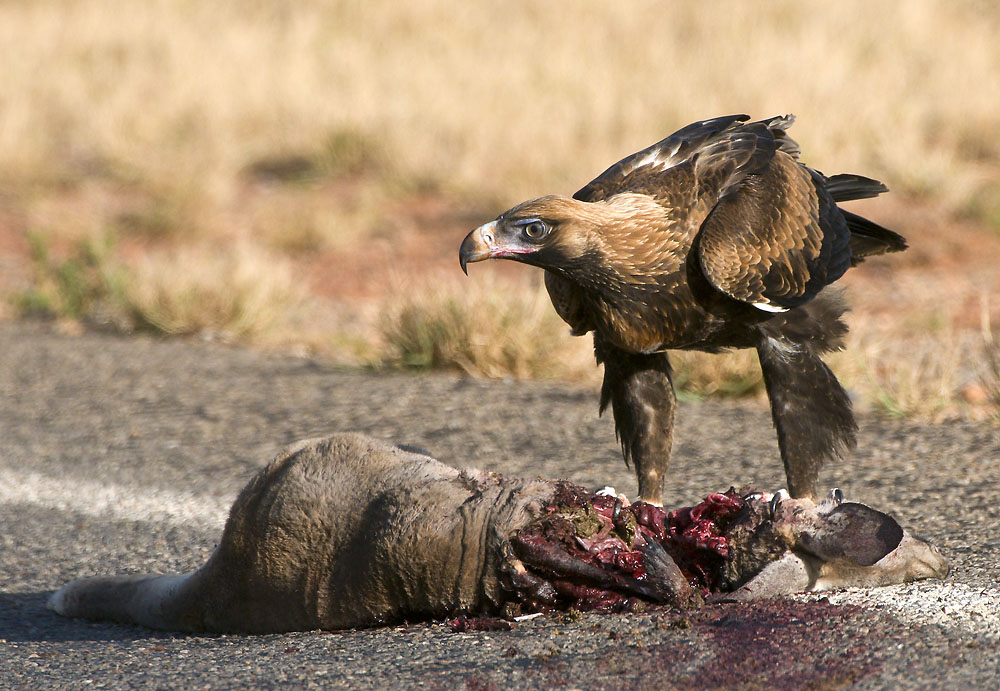
Definition and overview. Carrion is the dead body or carcass of an animal: the tissues and organs left after an animal dies. The term applies regardless of cause of death and includes animals of all sizes. A range of organisms — from bacteria and fungi to insects and large vertebrates — exploit carrion as a food resource. The dead animal may attract species that are specialized for scavenging as well as opportunists that feed when the chance arises.
Image gallery
10 Images






Ecological role and decomposition
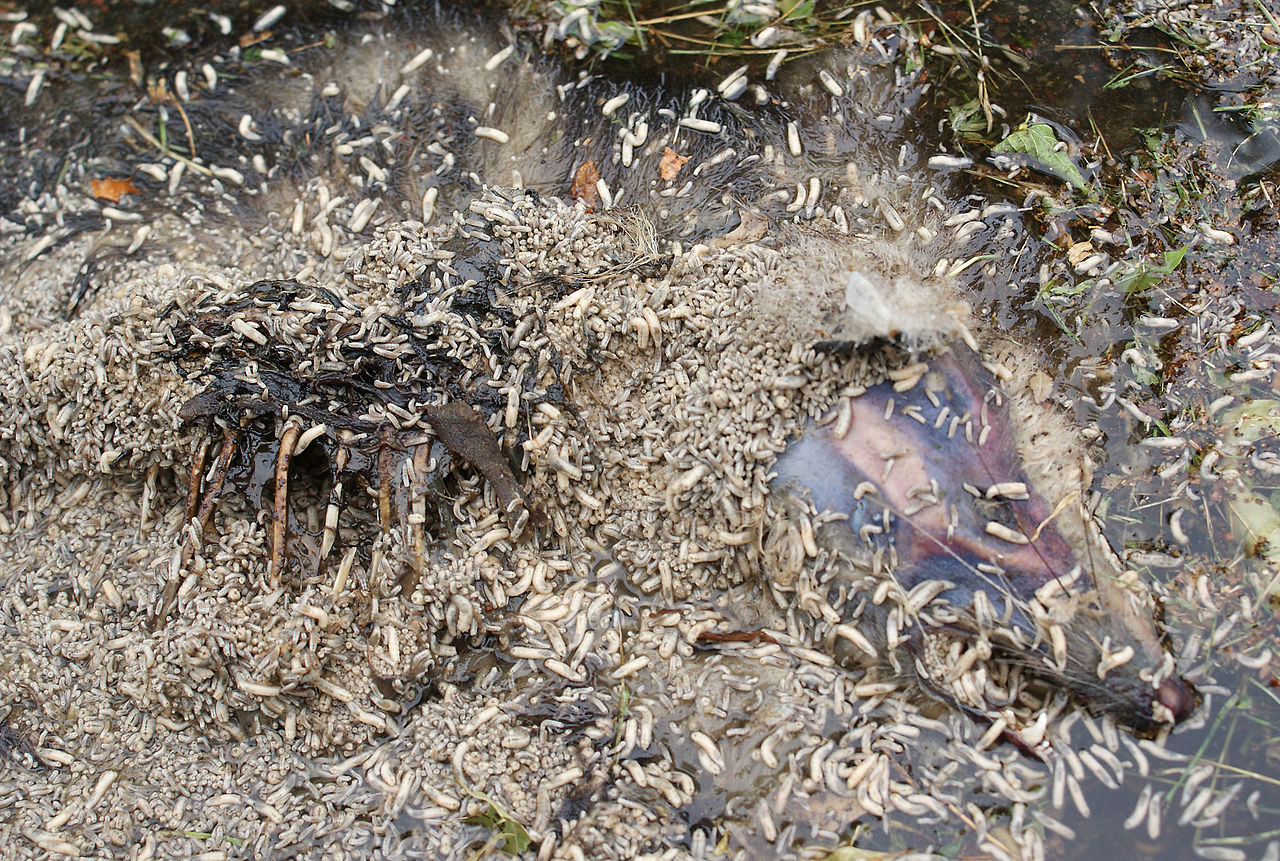
Carrion is a concentrated source of nutrients that returns carbon, nitrogen and other elements to ecosystems. Decomposition proceeds in stages, beginning with fresh tissues, moving through bloating and active decay, and ending in dry remains. At each stage different communities of microbes, insects and vertebrates take part. Microbial action and insects break tissues down, accelerating nutrient release to soil and plants. The importance of carrion in nutrient cycling and food webs has long been recognized in ecology.
Scavengers and examples
Many animals feed on carrion. Some are obligate scavengers and others use it opportunistically. Examples include:
- Vultures and condors, which locate carcasses from the air and remove soft tissues quickly.
- Carnivores and omnivores such as hyenas and foxes that scavenge when hunting fails.
- Opportunistic feeders like Tasmanian devils that consume large amounts of carrion.
- Carrion beetles and other insects that bury or consume dead flesh, and a wide range of insects involved in decomposition.
Scavenging reduces waste and can affect disease dynamics in ecosystems. However, carrion can also concentrate pathogens and toxins, posing risks to wildlife, livestock and human health when contaminated meat is consumed or left unchecked.
Adaptations, human uses and forensic importance
Many scavengers show adaptations for necrophagy: strong stomach acids, immune defenses against microbes, powerful beaks or jaws, and behaviors that reduce competition at a carcass. Humans have long used carrion indirectly as bait or in traditional practices. In science, the predictable succession of insects on carrion underpins forensic entomology, helping estimate time since death in legal investigations.
Carrion flowers and mimicry. Some plants emit odors resembling decomposing flesh to attract pollinating flies and beetles. Well-known examples include the titan arum and Rafflesia, which use these odors to ensure pollination by insects drawn to the scent of decay.
Distinctions and notable facts. Carrion differs from predation in that it involves feeding on already dead animals rather than killing prey. Scavengers play a crucial cleansing role in ecosystems, and the presence or absence of key scavengers can alter how quickly and safely carrion is recycled. For further general reading see introductory sources on carcasses and scavenging communities: carcass overview, dead animal studies, and other references such as animal ecology, vulture ecology, condor biology, scavenger diets, carnivore roles, omnivore behavior, beetle biology and insect succession.
Related articles
Author
AlegsaOnline.com Carrion: ecology, scavengers, decomposition and cultural importance Leandro Alegsa
URL: https://en.alegsaonline.com/art/17261