
The Strand, London — history, landmarks and modern role
The Strand is a historic Thames-side thoroughfare in the City of Westminster, linking the City of London to central London. It is noted for theatres, grand buildings and a long civic and cultural history.
Overview
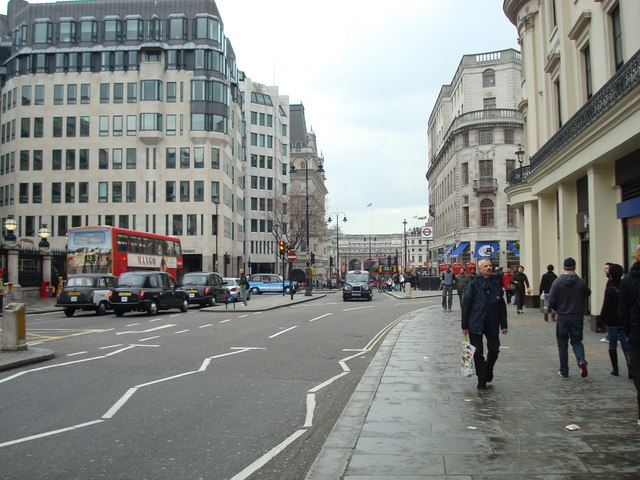
The Strand is a principal avenue in central London, lying on the north bank of the River Thames within the City of Westminster and forming a key link into central London. Historically the route connected the commercial heart of the City of London with civic focal points around Charing Cross and Trafalgar Square. Today it remains a busy thoroughfare of shops, hotels, offices and cultural venues while also marking the southern edge of several notable districts.
Image gallery
9 Images




Location and physical character
The street runs roughly east–west, parallel to the river, and links the Square Mile to central Westminster and the West End. Its course takes in the crescent of Aldwych and joins older routes such as Fleet Street near Temple Bar. Although the modern carriageway is urban and heavily trafficked, the Strand’s width and alignment reflect its long use as a major approach into the city.
Covent Garden and market heritage
On the north side, the Strand defines the southern boundary of Covent Garden. That neighbourhood grew up around a famous fruit and vegetable trading area, and references to the original fruit and vegetable market survive in local memory and building uses. The plaza at Covent Garden has been transformed into a largely pedestrian-oriented destination, but the Strand still carries the bustle and variety that accompany major urban marketplaces.
History and development
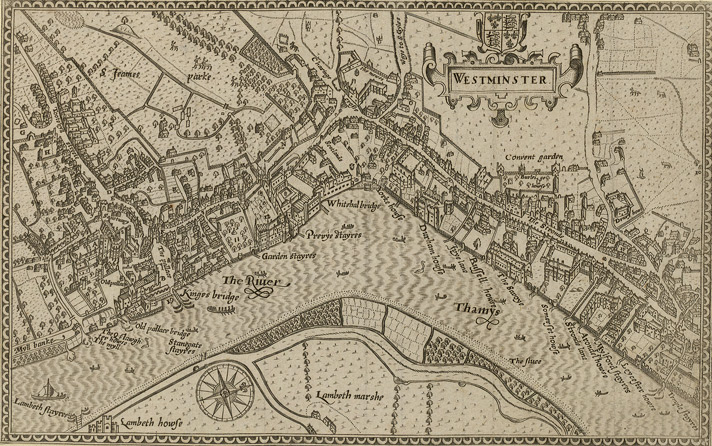
The name "Strand" derives from the Old English word strond, meaning the river edge. From the medieval period through the 17th century the area between the street and the Thames was prized by the aristocracy: great townhouses such as the Savoy and Somerset complexes, Durham House and others provided proximity to the river and to royal courts. As the fashionable elite migrated westward into what became the West End, the Strand’s character shifted toward inns, coffee houses, taverns and, increasingly, entertainment venues.
Cultural life, institutions and landmarks
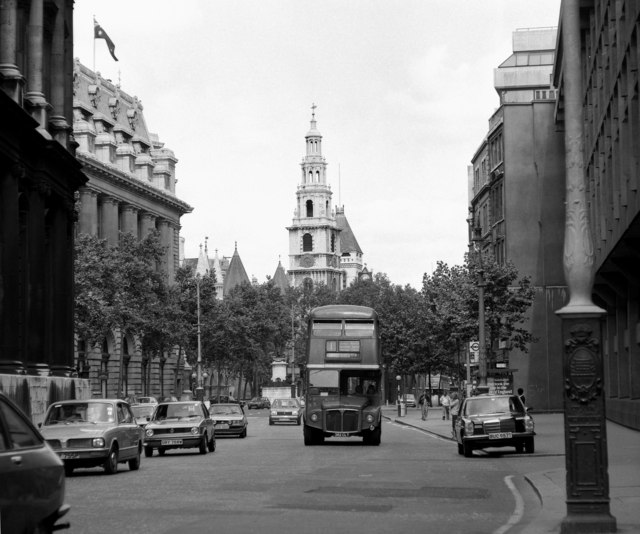
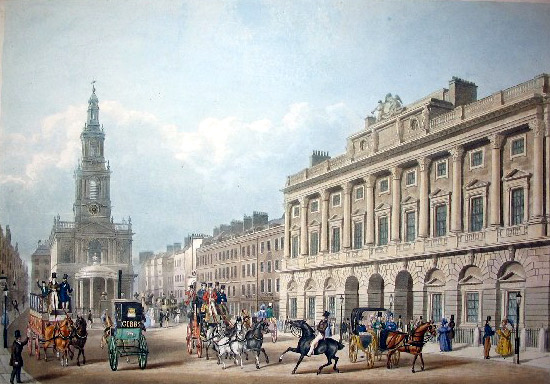
During the 18th and 19th centuries the Strand was a centre for theatre and music hall culture. Several performance spaces remain and the street continues to host theatrical, legal and academic institutions. At its eastern reaches stand two historic churches, St Mary le Strand and St Clement Danes, which are visible markers of the street’s long civic presence. Close by are educational and judicial buildings, including the London campus of King's College and the institution known as the University of London in its broader foundation role.
Notable buildings and modern uses
The Strand contains a mix of late-medieval remnants, grand 18th‑ and 19th‑century façades and modern commercial architecture. The grand Savoy Hotel is one of the most famous hospitality landmarks, while legal and cultural life is represented by buildings such as Somerset House, the Royal Courts of Justice and Australia House. The street’s atmosphere combines daily commuter movement with tourism, hospitality and performance, making it a multifaceted urban corridor.
Key landmarks and points of interest
- Historic churches and parish sites including St Mary le Strand and St Clement Danes.
- Major hotels and hospitality venues such as the Savoy Hotel and a range of restaurants and bars.
- Theatre and entertainment venues that continue the Strand’s long association with performance.
- Institutional presences: the campuses and faculties linked to King's College and broader University of London activities.
- Nearby cultural districts and markets, notably Covent Garden with its market history and pedestrian spaces, recalling its fruit and vegetable market past and modern pedestrian focus.
- Connections to the City via historic approaches such as Fleet Street and civic routes into the City of London, and onward toward central sites near Charing Cross and Trafalgar Square.
For visitors and residents alike the Strand remains a layered urban place: an arterial road with deep historical roots, a stage for cultural life, and a practical link between historic quarters. Its name, derived from old riverine vocabulary, and its varied architecture tell the story of London’s evolution from a river-edge collection of estates to a dense, cosmopolitan capital.
Related articles
Author
AlegsaOnline.com The Strand, London — history, landmarks and modern role Leandro Alegsa
URL: https://en.alegsaonline.com/art/98918
Sources
- commons.wikimedia.org : Strand, London