
Pedestrian — a person traveling on foot
A pedestrian is someone who travels by foot. This article explains definitions, infrastructure, history, legal issues, safety measures and the role of pedestrians in cities and transport systems.
A pedestrian is a person who moves by walking or running rather than by vehicle. In everyday usage it normally denotes someone using streets, sidewalks or footpaths on foot. For a concise definition see this reference. Historically the label has shifted with changing transport modes; today the word is most commonly applied to people on roads or footways (more on locations).
Image gallery
7 Images


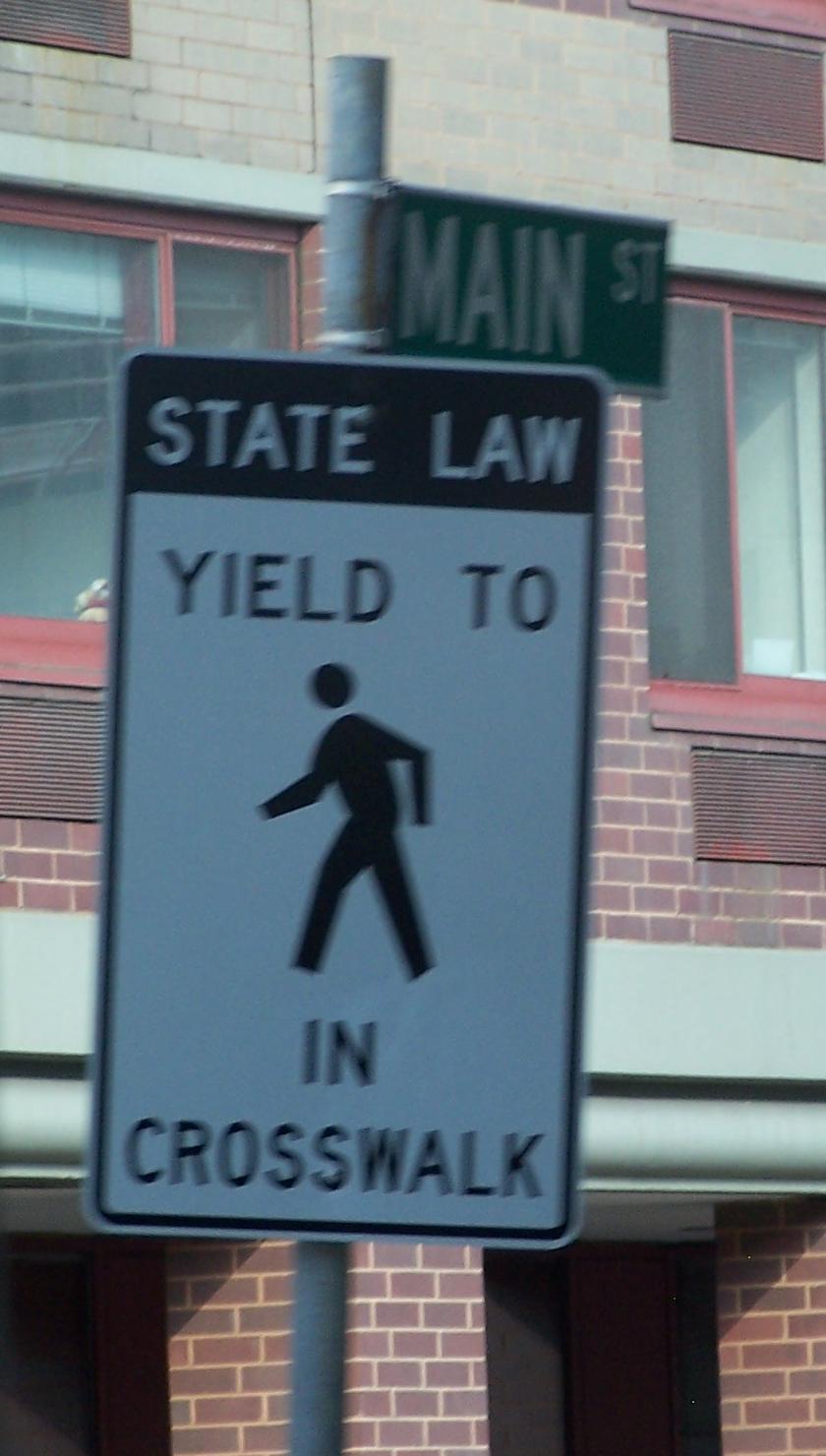
Characteristics and who counts
Pedestrians include commuters, shoppers, children, joggers and many others who travel on foot. Whether mobility-aid users are legally treated as pedestrians varies by jurisdiction; some traffic laws explicitly include wheelchair users and people using mobility scooters, while others use broader language such as "persons on foot." Pedestrian movement is typically slower than vehicular traffic and most vulnerable in collisions.
Infrastructure and safety
Cities and towns provide a range of facilities to support pedestrians and reduce risks. Typical elements include:
- Sidewalks and footpaths that separate people from motor traffic
- Crosswalks, pedestrian signals and curb ramps for safe crossings
- Tactile paving, lighting and sight-lines for accessibility and visibility
- Traffic-calming measures and pedestrian-only zones to lower vehicle speeds
History and development
The concept of walking as normal travel predates motor transport. The English term comes from older roots meaning "on foot" and in the 19th century organized walking competitions—called pedestrianism—were popular. The rise of bicycles and then motor vehicles reshaped streets, prompting the later development of sidewalks, legal rules and dedicated crossings to protect people on foot.
Legal status, rights and responsibilities
Traffic codes typically define pedestrian rights of way but the details vary. Rules address where pedestrians may walk, when they must yield, and offenses such as jaywalking. Safety often depends on enforcement, driver behavior and urban design rather than law alone.
Importance and trends
Walking contributes to public health, reduces emissions and fosters street life. Contemporary planning trends promote pedestrian-friendly design, expanded pedestrian zones and "complete streets" that balance the needs of walkers, cyclists and public transport. Improving walkability remains a common goal for sustainable and equitable urban development.
Related articles
Author
AlegsaOnline.com Pedestrian — a person traveling on foot Leandro Alegsa
URL: https://en.alegsaonline.com/art/75408